
Tips for Keeping Succulents Alive and Thriving
Tips for Keeping Succulents Alive and Thriving

Tips for Keeping Succulents Alive and Thriving: A Comprehensive Guide
Succulents have gained immense popularity among plant enthusiasts due to their unique appearance, low-maintenance nature, and ability to thrive in a variety of environments. These resilient plants come in a wide range of shapes, colors, and sizes, making them a favorite choice for both beginners and experienced gardeners. However, while succulents are known for their adaptability, they still require proper care to truly flourish. In this comprehensive guide, we will delve into the key factors that contribute to the health and vitality of succulents, enabling you to create a thriving succulent garden or collection.
1. Understanding Succulents: What Makes Them Special
Before delving into the care tips, it's essential to understand what sets succulents apart. Succulents are plants that store water in their leaves, stems, or roots, allowing them to survive in arid and drought-prone environments. This unique adaptation helps them thrive in various climates, making them ideal for both indoor and outdoor cultivation.
2. Choosing the Right Succulents
Selecting the right succulents is the first step in ensuring their long-term health. Different types of succulents have varying care requirements, so it's important to choose ones that align with your environment and level of commitment. Some popular succulent varieties include Echeveria, Sedum, Aloe, and Haworthia.
3. Proper Potting and Soil
Succulents demand well-draining soil to prevent root rot and promote healthy growth. Use a specialized succulent or cactus mix, or create your own by combining potting soil with sand or perlite. Ensure the chosen pot has drainage holes to prevent water accumulation at the roots.
4. Understanding Light Requirements
Succulents thrive in bright light conditions. Place them near a south-facing window for maximum sunlight exposure, but be cautious of intense midday sun, which can scorch the leaves. If growing indoors, consider using artificial grow lights to supplement natural light.
5. Watering Techniques
One of the most common mistakes in succulent care is overwatering. These plants prefer infrequent but deep watering. Allow the soil to dry out completely between waterings, and water thoroughly until it drains from the bottom of the pot. In winter, reduce watering as succulents enter a dormant period.
6. Temperature Considerations
Succulents generally prefer warm temperatures, but they can tolerate fluctuations. Protect them from extreme cold and frost, as many succulent species are sensitive to low temperatures. If you're keeping succulents outdoors, bring them indoors during cold snaps.
7. Container Selection and Repotting
Choose containers that provide ample room for growth, as succulents tend to outgrow their pots. Repot your succulents every 1–2 years to ensure they have enough space and fresh soil. Spring is typically the best time for repotting, as the plants are coming out of dormancy.
8. Fertilizing Routine
Succulents have modest fertilizer needs. During the growing season (spring and summer), use a diluted, balanced liquid fertilizer every 4–6 weeks. Avoid fertilizing in fall and winter when the plants are dormant.
9. Preventing Pests and Diseases
Succulents are relatively resistant to pests and diseases, but they can still fall victim to issues like mealybugs, aphids, and fungal infections. Inspect your plants regularly, and if you notice any signs of pests or diseases, take action promptly using natural remedies or appropriate pesticides.
10. Propagation Techniques
Succulents are fun to propagate, allowing you to create new plants from existing ones. Common propagation methods include leaf cuttings and offsets. With the right techniques, you can expand your succulent collection without purchasing new plants.
11. Dealing with Common Challenges
As with any type of gardening, challenges can arise. Succulents might show signs of stress such as etiolation (stretching), leaf discoloration, or shriveled leaves. Understanding these issues and their causes will help you address them effectively.
12. Showcasing Your Succulents: Arrangements and Displays
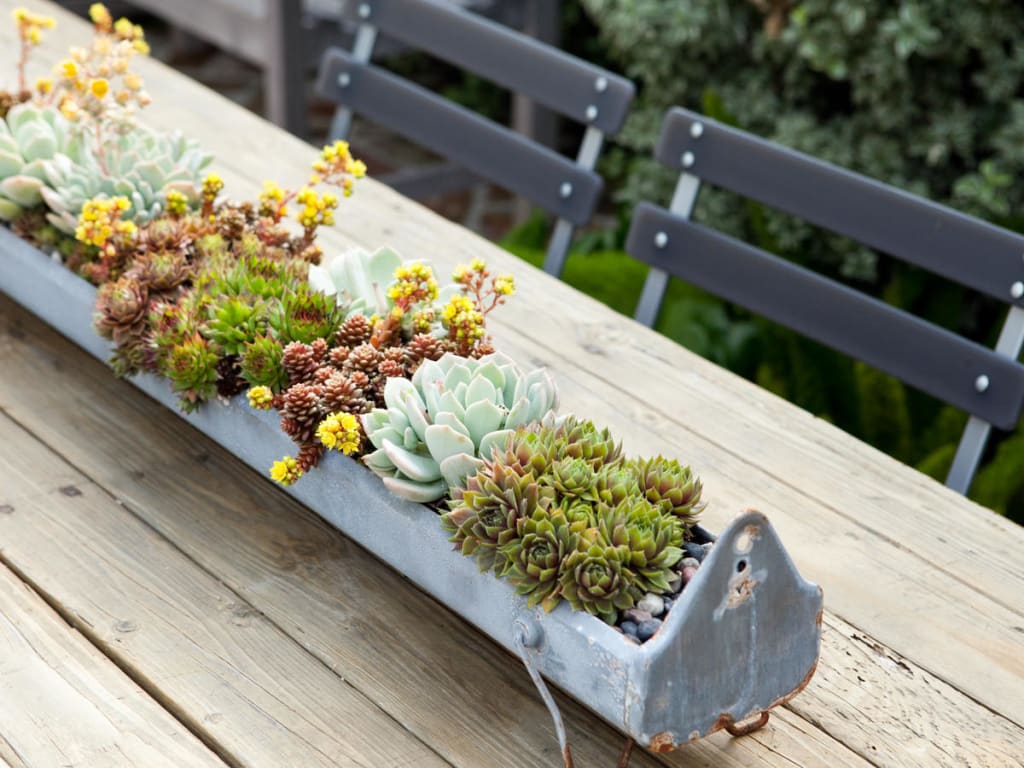
Get creative with how you display your succulents. Consider arranging different varieties in a single container for a striking centerpiece, or create vertical gardens using wall-mounted planters. The possibilities are endless, allowing you to showcase your succulents in unique and beautiful ways.
Conclusion
Caring for succulents can be a rewarding and enjoyable experience, especially when armed with the right knowledge. By understanding their unique characteristics and following these comprehensive care tips, you can create an environment where your succulents not only survive but truly thrive. Remember that patience and observation are key - as you become attuned to your succulents' needs, you'll develop the skills to provide them with the best care possible, resulting in a stunning and flourishing succulent collection.
About the Creator
Kavya Organic Garden
Passionate about home gardening, plant care, growth, and maintenance. Join me on this exciting journey of organic practices and sustainable gardening! 🌱
Keep reading
More stories from Kavya Organic Garden and writers in Lifehack and other communities.
The World of Cacti_ Care, Watering, and Lighting Tips
The World of Cacti: Care, Watering, and Lighting Tips Cacti, with their unique and intriguing forms, have become popular houseplants and garden additions. These hardy plants have adapted to thrive in arid environments, making them relatively low-maintenance options for plant enthusiasts. However, proper care, watering, and lighting are essential to ensure their optimal growth and health. In this comprehensive guide, we'll delve into the world of cacti, providing you with insights and tips to help you become a successful cacti caretaker.
By Kavya Organic Garden2 years ago in Lifehack
Galaxy S25 Plus Review
There is a kind of phone that doesn't follow after the news. It doesn't shout "revolution." It doesn't try to change the way you use your phone. Instead, it quietly makes the things that really affect your day better, such as the comfort of the battery, the quality of the display, the smoothness of the performance, and the general feeling of trust.
By abualyaanart2 days ago in Lifehack




Comments