
The Ultimate Guide to Terrace Vegetable Gardening in Indian Cities
terrace vegetable garden ideas in india

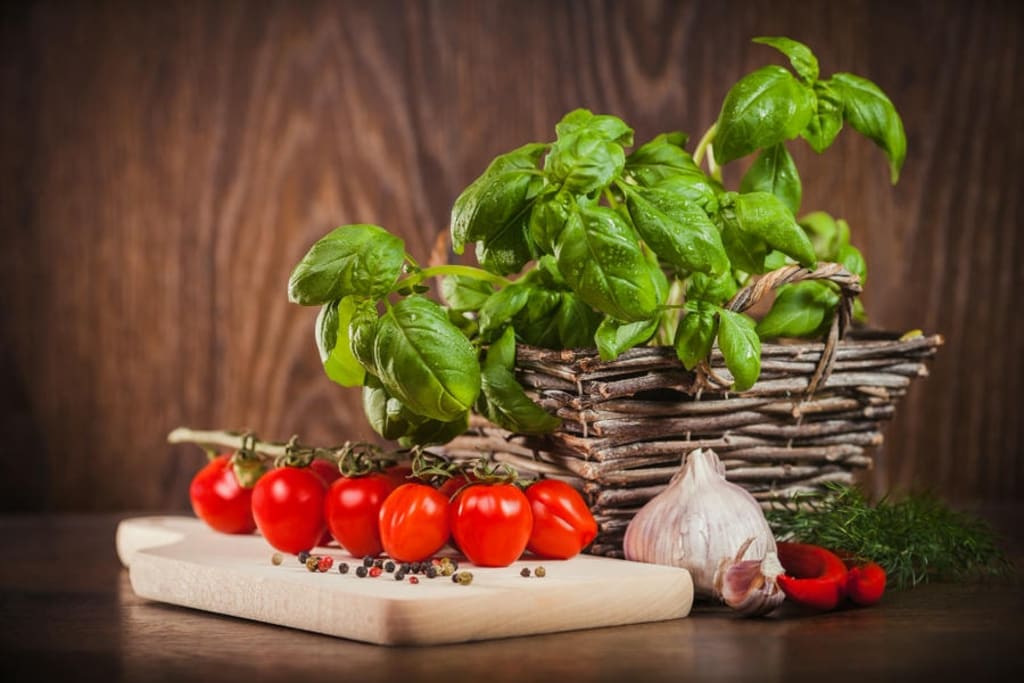
Creating a terrace vegetable garden is becoming popular in Indian cities, where limited space makes traditional gardening tough. With some planning, even a small urban terrace can transform into a thriving vegetable garden. This guide will assist you in designing and maintaining a terrace vegetable garden in India, providing ideas and practical tips to make your terrace a green oasis.
1. Why Start a Terrace Vegetable Garden?
Terrace vegetable gardening has many advantages:
Fresh Produce: Enjoy organic vegetables without harmful pesticides.
Environmental Impact: A terrace garden lowers your carbon footprint by decreasing reliance on store-bought produce.
Stress Relief: Gardening is therapeutic and reconnects you with nature, even in urban areas.
Space Efficiency: Terrace gardens make use of unused areas in crowded cities.
2. Planning Your Terrace Vegetable Garden
Assess the Space
Sunlight: Most vegetables need 4-6 hours of sunlight daily. Identify sunny areas on your terrace.
Weight Capacity: Ensure that your terrace can handle the weight of soil, pots, and water.
Waterproofing: Waterproofing is essential to protect the building.
Design the Layout
Utilize vertical gardening methods like trellises or wall planters to conserve space.
Cluster plants with similar water and light needs for easier maintenance.
3. Best Vegetables for Terrace Gardening in India
Selecting the right vegetables is key to a successful terrace garden. Here are excellent choices:
Leafy Greens
Spinach: Simple to grow and harvest. Perfect for small containers.
Fenugreek (Methi): Fast-growing and ideal for Indian recipes.
Fruiting Vegetables
Tomatoes: Thrive in pots and flourish in the Indian climate.
Chilies: A kitchen essential that requires minimal space.
Brinjal (Eggplant): Dwarf types are well-suited for terrace gardens.
Climbers
Cucumber: Ideal for trellises, maximizing yields while saving space.
Bottle Gourd: A traditional vegetable that flourishes in India's climate.
Root Vegetables
Radishes: Quick-growing and suitable for shallow pots.
Carrots: Choose short-root varieties for pot growing.
4. Containers and Soil Preparation
Containers
Select lightweight, sturdy containers:
Plastic Pots: Cost-effective and easy to move.
Grow Bags: Excellent for root crops like carrots and radishes.
Raised Beds: Perfect for various vegetables, offering ample space.
Soil Preparation
Combine garden soil, compost, and cocopeat for a light, nutrient-rich mix.
Incorporate organic fertilizers like vermicompost to enhance soil quality.
5. Essential Care for Terrace Vegetable Gardens
Watering
Water plants in the morning or late evening to reduce evaporation.
Implement a drip irrigation system for efficient water conservation.
Fertilization
Feed plants with organic fertilizers every 2-3 weeks.
Utilize homemade compost to sustain soil health.
Pest Control
Use natural solutions like neem oil spray to deter pests.
Add companion plants like marigold to repel harmful insects.
6. Space-Saving Ideas for Terrace Gardening
Vertical Gardening
Utilize wall-mounted planters or hanging baskets for herbs like mint and coriander.
Trellises can support climbers like cucumbers and gourds.
Multi-Tier Planters
Stackable planters are perfect for growing several vegetables in limited space.
Hydroponics
A soil-free gardening method suitable for small terraces, though it involves initial costs.
7. Sustainable Practices for Terrace Gardens
Rainwater Harvesting: Collect rainwater to irrigate your plants.
Composting: Convert kitchen waste into compost for your garden.
Reuse Materials: Repurpose old containers or bottles as planters.
8. Overcoming Common Challenges
Heat Management
Use shading nets to protect plants during the scorching Indian summer.
Mulch the soil to retain moisture and keep roots cool.
Limited Space
Opt for compact or dwarf vegetable varieties.
Incorporate foldable racks or hanging systems for additional growing areas.
Pollution
Wash leafy greens thoroughly to remove dust or pollutants.
9. Harvesting Your Terrace Vegetables
Regular harvesting encourages plant growth and ensures a steady supply of fresh produce. Leafy greens can be harvested as needed, while fruiting vegetables like tomatoes and chilies should be picked when fully ripe for maximum flavor.
Conclusion
Starting a terrace vegetable garden in India is an excellent way to enjoy fresh, organic produce, even in urban settings. With the right planning, plant selection, and care, your terrace can become a productive and eco-friendly space. Use these terrace vegetable garden ideas in India to create a thriving green sanctuary in your city home. Happy gardening!
About the Creator
Tannu Ka Garden
We explore the wonderful world of gardening, offering valuable tips, knowledge, and insights to help you become a skilled gardener. Whether you're just starting out or already have some experience, you'll find plenty of helpful information.
Keep reading
More stories from Tannu Ka Garden and writers in Lifehack and other communities.
Grow with the Seasons: Seasonal Gardening Tips in Jaipur for Beginners
Gardening in Jaipur requires meticulous planning due to its unique climate, ensuring that plants remain healthy and prosperous. The city's arid and hot environment can pose challenges, particularly for novice gardeners. Nonetheless, with the appropriate knowledge and methodologies, anyone can cultivate a flourishing garden year-round. This article presents seasonal gardening tips in Jaipur aimed at guiding you in gardening in alignment with the changing seasons.
By Tannu Ka Gardenabout a year ago in Lifehack
Is It Better To Eat Protein Before Or After A Workout? How To Optimize Your Intake For Muscle Growth
If you've given WH's protein challenge a go, you know how important this macro is to your health and fitness goals and a strong training sesh. But does it matter when, exactly, you get some protein in around your workouts impact muscle growth?
By Dena Falken Esq6 days ago in Lifehack
You Can’t AI a Jobsite
Artificial intelligence dominates recent discussions regarding the future of work, and it’s no wonder. Namely, software now writes code, generates legal briefs, and manages complex logistics. White-collar professionals face a period of uncertainty as automation settles into offices worldwide.
By Angela Ash3 days ago in Lifehack




Comments
There are no comments for this story
Be the first to respond and start the conversation.