
The Ultimate Guide to Selling a Car with Accident History
How to Sell a Damaged Vehicle Honestly, Legally, and for the Best Possible Price


Selling a car that’s been in an accident can feel like a daunting process. Whether it sustained minor cosmetic damage or major structural issues, the idea of getting a fair deal may seem out of reach. However, with the right knowledge and a strategic approach, you can still sell your accident-damaged vehicle with confidence.
This guide will walk you through every important aspect of selling a car with accident history — from understanding its value to presenting it effectively to buyers. By following these steps, you’ll maximize your chances of a successful sale without compromising transparency or trust.
1. Understand Your Car’s True Value
Before listing your vehicle, you need to know what it’s worth — even with its accident history.
Cars with prior accidents typically have a lower market value. However, the extent and nature of the damage matter. A fender bender repaired properly is much less concerning to buyers than a major collision with frame damage. To get an accurate valuation, consider:
Independent appraisers
Mechanics or body shops
Online car valuation tools (with accident history input)
Local services like top cash for unwanted cars Brisbane, which offer instant quotes even for accident-damaged vehicles
Pro tip: Look up comparable vehicles with similar damage records to get a more realistic expectation.
2. Gather All Relevant Documentation
Transparency is critical when selling a car that has accident history. Make sure you collect and present all the necessary paperwork, including:
Accident reports
Repair invoices
Service history
Vehicle history reports (e.g., CARFAX, AutoCheck)
Buyers appreciate honesty, and having the documentation to back your claims increases credibility. It may also speed up the decision-making process for potential buyers.
3. Get a Pre-Sale Inspection
A professional inspection report from a certified mechanic can be a powerful tool. It shows that you’ve taken proactive steps to verify the car’s condition and that it’s roadworthy despite its past. This builds trust with buyers and helps separate your vehicle from others with unknown or unverified damage.
4. Decide Where to Sell
There are several selling options to consider when dealing with a car that has a history of accidents:
a. Private Sale
You might fetch a better price with a private buyer, especially if your car has been well-maintained post-repair. Be prepared to answer questions about the accident and repairs honestly.
b. Dealership Trade-In
While you may not get top dollar, dealerships may offer convenience and quick processing. However, expect lower valuations due to the accident record.
c. Cash-for-Car Services
If you’re looking for a hassle-free solution, companies like cash for cars Brisbane specialize in buying cars in all conditions — including accident-damaged ones. They typically offer a fast, straightforward process with instant quotes and same-day pick-up.
5. Be Honest in Your Listing
When creating an online ad or describing your car, honesty is the best policy. Clearly state that the vehicle has been in an accident and outline what was repaired. Include high-quality photos that show the current condition of the vehicle, and if any damage remains, highlight that too.
This will help filter out uninterested buyers and attract only serious prospects, saving you time and unnecessary back-and-forth.
6. Set a Competitive Price
Pricing is especially important when selling a car with accident history. Here’s how to make it competitive:
Compare prices of similar accident-affected vehicles in your area.
Factor in any repairs or upgrades you’ve made.
Leave some room for negotiation — but don’t price too high or too low.
You want to show that while your vehicle isn’t perfect, it still offers value.
7. Consider Repairing Minor Issues
If there are small, inexpensive repairs that could enhance the car’s appeal (like fixing dents, replacing broken lights, or detailing the interior), it may be worth addressing them. A small investment can go a long way in improving buyer confidence and increasing the sale price.
8. Be Ready to Negotiate
Negotiation is a normal part of the car-selling process, especially for vehicles with a recorded accident. Have a minimum price in mind, but also be willing to listen and respond with logic and data. Referring to inspection reports, repair documentation, and market comparisons can strengthen your position.
9. Use a Bill of Sale and Release of Liability
Once you find a buyer, ensure all legal aspects are covered:
Draft a bill of sale with the vehicle details, sale amount, and both parties’ signatures.
Submit a release of liability to your local motor authority to prevent future legal or financial obligations.
10. Explore Professional Car Buying Services
If all of the above seems time-consuming or you need to sell quickly, professional services are an excellent fallback. Trusted local buyers such as cash for scrap cars in Ipswich offer quick quotes, pay cash on the spot, and take care of the paperwork — no matter your car’s history.
Final Thoughts
Selling a car with accident history doesn’t mean you’re out of options — it just requires a different strategy. By being honest, well-prepared, and flexible, you can still attract buyers and close a fair deal. The key is to approach the sale with transparency, evidence, and confidence.
Remember, many buyers are open to cars with past damage — especially if they know what they’re getting and see that the car has been cared for afterward.
Whether you’re choosing a private sale, dealership, or a trusted car removal service, this guide gives you the clarity to make the right decision.
About the Creator
Mark Leo
Mark Leo, with nine years at Jimmy Cash for Cars, excels in automotive content strategy, driving traffic through industry insights, trends, regulations, and cutting-edge practices.
Let's Nail A Cyberbully
Technology can make life easier, and usually everyone benefits from technological advances. However, this always means that the bad guys benefit as well, to the detriment of society as a whole. As social media became a thing, it gave rise to the cyberbully, a malicious person who uses social media and other technologies to harass their victims. However, while their attacks can be devastating to the right victims, usually those lacking self-confidence or who have been recently victimized, there are ways to deal with them and get back some of the peace you had prior to their attacks.
By Jamais Jochim5 days ago in Lifehack
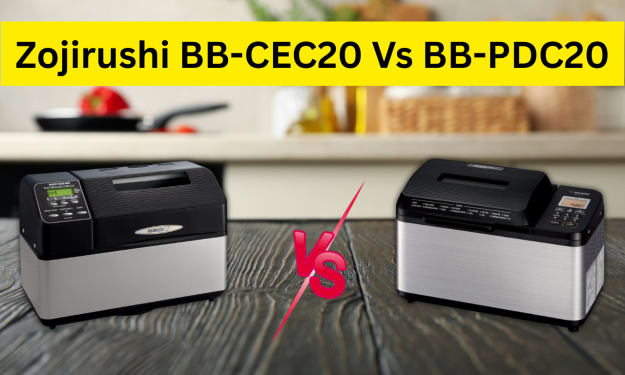
Zojirushi BB-CEC20 Vs BB-PDC20: Which One Should You Buy?
Choosing between the Zojirushi BB-CEC20 Vs BB-PDC20 can feel tricky when both promise great homemade bread. I like how each model focuses on ease and consistent results, but I notice small differences that matter for everyday baking in a typical U.S. kitchen. Here’s how the Zojirushi BB-CEC20 vs BB-PDC20 compares so you can quickly decide which one fits your routine best.
By Mohammed mamun7 days ago in Lifehack



Comments
There are no comments for this story
Be the first to respond and start the conversation.