
The Ultimate Guide To Keto Dieting
Taking Keto From Diet to Lifestyle

If you’re not familiar with the Keto Diet, it’s a low-carb, high-fat way of eating that forces your body to burn fats rather than carbohydrates for fuel. This is done by following a diet that consists of limited carbs and high fat intake. The goal is to put your body into a metabolic state called ketosis.
While this may sound like an alien concept, the Keto Diet is becoming more mainstream as celebrities like Halle Berry and Kim Kardashian swear by it. It can also provide many benefits including weight loss, reduced inflammation, improved mental clarity, and improved energy levels. Here are some tips on how to get started on the ketosis lifestyle!
What is a ketogenic diet?
A ketogenic diet is a low-carb, high-fat way of eating. The goal is to put your body into a metabolic state called ketosis.
Ketosis is achieved when the body doesn't have enough glucose for energy and must break down fat stores instead. When this process starts, the liver releases molecules called Ketones that are used as energy by brain cells. This causes the liver to produce more glucose which then goes into muscles and other tissues for fuel.
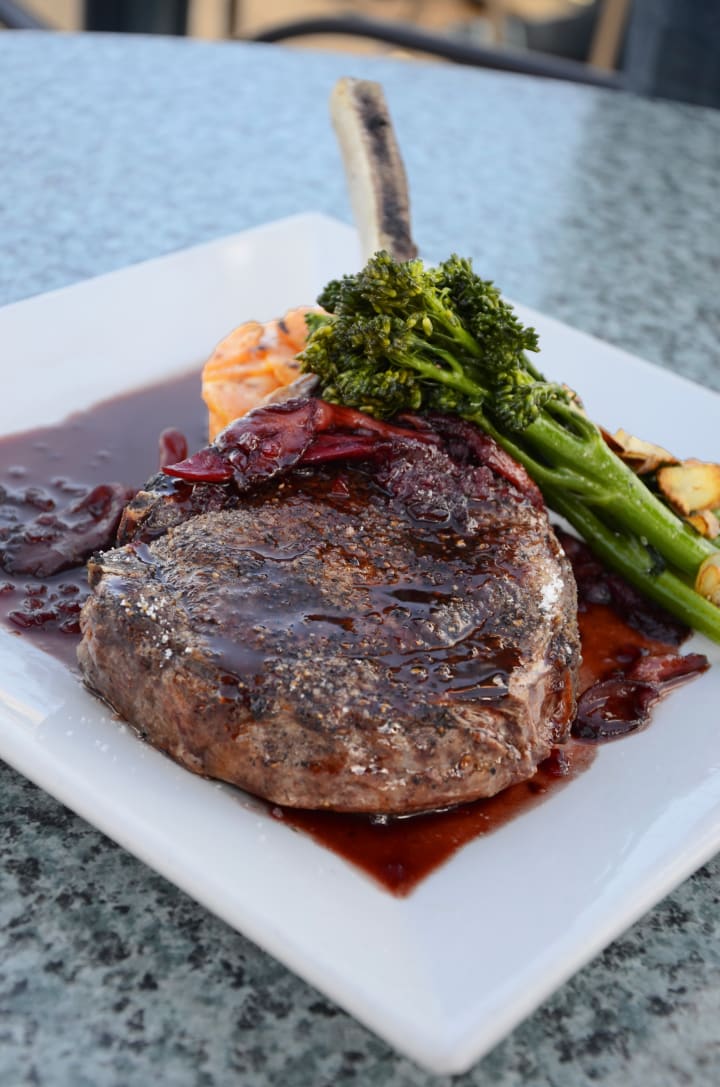
One of the main advantages of the ketogenic diet is that you can still enjoy most types of food, but with some limitations! The general rule is to avoid carbs and eat below 20 grams net carbs per day. That means cutting out things like pasta, breads, cereal, rice, potatoes, fruit, etc. In place of those simple carbs, you can have complex carbs like salad greens, and other fresh vegetables. Keep the rule of "greener is leaner" in mind with your veggie choices.
High fat content dairy products like cream, butter, and soft cheeses -- as well as protein-rich Greek yogurt -- are all keto-friendly. Hard cheeses are also good. Remember: count the 1 gram of carbs per ounce with all varieties of hard cheese. Eggs, a perfect, versatile protein -- alongside meat, poultry, fish and high quality, low-carb vegetable proteins -- round out the ketogenic diet.
What are the benefits of ketosis?
When you start a ketosis diet, your body shifts from using glucose as its primary fuel to ketone bodies. It's important to note that this doesn't mean you'll lose muscle mass - the Keto Diet is a way of eating, not a workout regime. When your body starts burning fat for the primary fuel source instead of carbs, it also kicks off a process called lipolysis. This is a break down of stored triglycerides into fatty acids and glycerol.
The most common side effect of starting a ketosis diet is feeling lightheaded or even nauseous, which can be remedied by drinking plenty of water and eating proteins like eggs and meat.
No more carb cravings
One reason people jump on the ketosis bandwagon is because they feel like they can finally stop those pesky carb cravings! This is because when your body enters ketosis, it begins breaking down fat for energy instead of carbohydrates. When this happens, your brain recognizes that it has more than enough energy and will no longer encourage overeating to give it an extra boost.

How to start a ketosis lifestyle
If you're interested in following a ketosis lifestyle, start by taking a look at your current diet. The Keto Diet is very low-carb and high fat, so if you're eating a lot of pasta or bread it's time to cut back. A good way to make sure you're getting enough healthy fats is to eat things like avocado and nuts.
Another step to take before starting the ketosis lifestyle is planning out your meals for the week. If you know exactly what your going to eat that week, then you'll be less likely to stray from the plan. It's also a good idea to have meals planned ahead of time because it can be hard during busy times, like after work.
Lastly, before starting the ketosis lifestyle, it may be helpful to talk with a doctor or do research about how this diet will affect your body. There are many benefits associated with the ketogenic diet but there are also risks. It's important to understand both before beginning this or any diet.
Meal planning
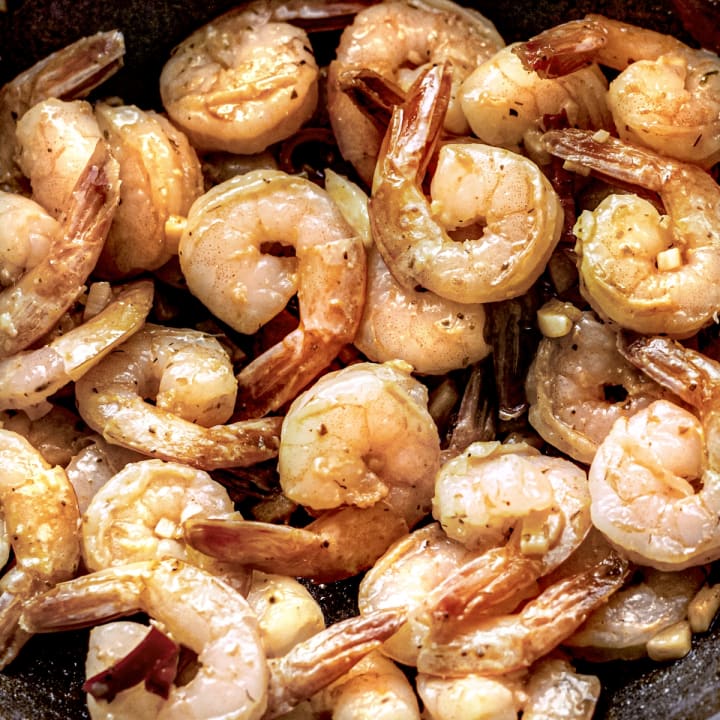
Following the ketosis diet successfully means you must plan your meals in advance. The Keto Diet is a low-carb diet with a high fat intake. It’s important that you have a plan for what you will be eating so that you can stay on track. If you don’t have a plan, it may be difficult to find healthy food options and know exactly how many carbs are in your meal.
In the beginning, it’s best to go with a pre-prepared or pre-packaged food option that has been specifically created for the keto lifestyle. This will help avoid any unnecessary carbs from sneaking into your meals. If you can’t find something pre-packaged, then try looking for recipes online or alternate recipes that are keto-friendly.
When making decisions about food options, it's best not to get too caught up in counting calories. Instead, focus on getting enough fats and proteins in your diet while keeping total net carbs at 20 grams per day or less—this should be more than enough room for fresh vegetables.
Supplements for ketosis
It’s important to take supplements that will help you on your keto journey. One such supplement is exogenous ketones, which will provide your body with a quick and easy way to enter into ketosis. Exogenous ketones work by converting the extra fat in your body into ketones - a process called lipolysis. This process occurs naturally when fasting for extended periods of time or after prolonged exercise. Exogenous ketones offer an excellent way "kick start" lipolysis, go into ketosis -- and lose fat!
Another supplement worth considering is medium chain triglyceride (MCT) oil, which provides a dose of healthy saturated fat that can be easily used as an energy source by your cells. MCTs are also more likely to be burned as fuel rather than stored as fat when compared to other fats like long chain triglycerides (LCTs).
Conclusion
The ketogenic diet is a very low-carb, high-fat diet that shares many similarities with the Atkins and low-carb diets. It involves drastically reducing carbohydrate intake, and replacing it with fat. This reduction in carbs puts your body into a metabolic state called ketosis. While in ketosis, your body becomes incredibly efficient at burning fat for energy. One of the major benefits of the ketogenic diet is its ability to help individuals lose weight.
About the Creator
Keep reading
More stories from writers in Lifehack and other communities.
Smartphones Are Better Than Ever
A few years ago, it was fun to get a new phone. You took it out of the box, looked at all the features, tried out the camera, and felt that calm joy that comes with possessing something truly new. Smartphones are objectively more powerful than ever today, with faster processors, smarter software, and better displays. But the enthusiasm is essentially gone.
By abualyaanarta day ago in Lifehack
Smart phones, Humans and Aliens.
WARNING. I will be tapping into one of your favorite creative tensions: The absurdity of humans worshipping their glowing rectangles as if they were tiny oracles. There’s something deliciously poetic about that contradiction, and it lends itself beautifully to an instructive proviso.
By Novel Allen7 days ago in Poets




Comments
There are no comments for this story
Be the first to respond and start the conversation.