
The Ultimate Guide to Dental Care: Tips for a Healthy Smile
Essential Tips and Expert Advice for a Lifetime of Healthy Smiles
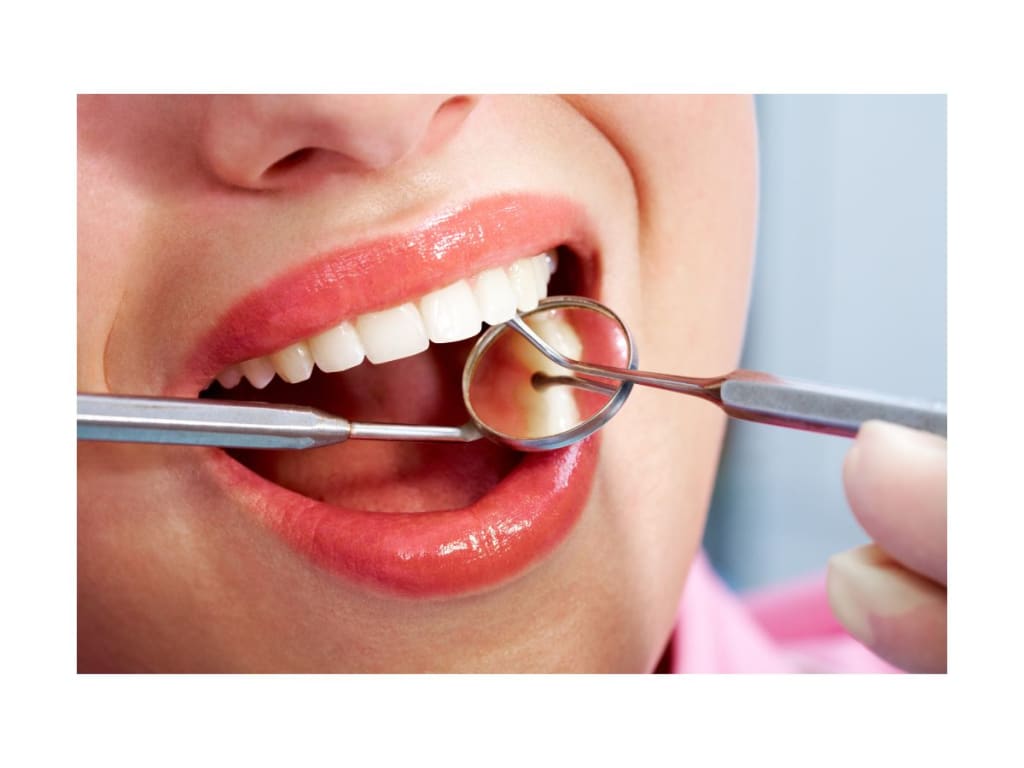
Dental care is more than just brushing and flossing; it’s an essential aspect of overall health. A healthy mouth doesn’t just boost your confidence with a radiant smile—it also prevents various health issues, from gum disease to heart problems. In this comprehensive guide, we’ll explore the importance of dental care, tips for maintaining oral health, and the role of professional dental services.
Why Dental Care Is Important
Proper dental care ensures:
Strong Teeth and Gums: Prevents cavities, gum disease, and tooth loss.
Overall Health: Reduces the risk of systemic conditions like diabetes, cardiovascular disease, and respiratory infections.
Confidence: A healthy smile improves self-esteem and social interactions.
Cost Savings: Preventing dental problems can save on expensive restorative treatments later.
Daily Dental Care Routine
1. Brushing Your Teeth
Frequency: Brush at least twice a day—morning and before bedtime.
Technique: Use gentle, circular motions to clean all surfaces of your teeth, including the gums and tongue.
Tools:
Use a soft-bristled toothbrush to avoid damaging enamel and gums.
Opt for fluoride toothpaste to strengthen teeth and prevent cavities.
Duration: Spend a minimum of two minutes brushing each time.
2. Flossing
Flossing removes food particles and plaque that brushing can’t reach, especially between teeth and below the gumline. Floss at least once a day, preferably before bedtime.
3. Rinsing with Mouthwash
Use an antimicrobial or fluoride mouthwash to kill bacteria and strengthen enamel.
Avoid rinsing your mouth with water immediately after brushing to allow fluoride to work effectively.
4. Maintaining Hydration
Drink plenty of water throughout the day to keep your mouth hydrated, wash away food particles, and stimulate saliva production.
Eating for Oral Health
Foods That Support Dental Health
Calcium-rich foods: Milk, cheese, yogurt, and leafy greens strengthen teeth and bones.
Vitamin C Sources: Citrus fruits, strawberries, and bell peppers promote healthy gums.
Crunchy Fruits and Vegetables: Apples, carrots, and celery act as natural teeth cleaners and stimulate saliva production.
Water: Drinking water helps rinse food particles and bacteria from the mouth.
Foods to Limit
Sugary Snacks and Drinks: Sugars feed harmful bacteria, increasing the risk of cavities.
Acidic Foods and Beverages: Citrus fruits, soda, and vinegar can erode enamel.
Sticky Foods: Dried fruits and candies tend to cling to teeth, promoting decay.
Common Dental Problems and Prevention
1. Cavities (Tooth Decay)
Cavities are caused by acid-producing bacteria that eat away at tooth enamel.
Prevention: Brush and floss daily, limit sugary foods, and use fluoride toothpaste.
2. Gum Disease (Periodontal Disease)
Gum disease results from plaque buildup, leading to inflammation and infection of the gums.
Prevention: Maintain proper oral hygiene, get regular dental cleanings, and quit smoking.

3. Tooth Sensitivity
Sensitivity occurs when the enamel wears down, exposing the dentin.
Prevention: Avoid acidic foods, use toothpaste for sensitive teeth, and brush gently.
4. Bad Breath (Halitosis)
Often caused by poor oral hygiene or dietary choices.
Prevention: Brush your tongue, floss daily, and stay hydrated.
The Role of Professional Dental Care
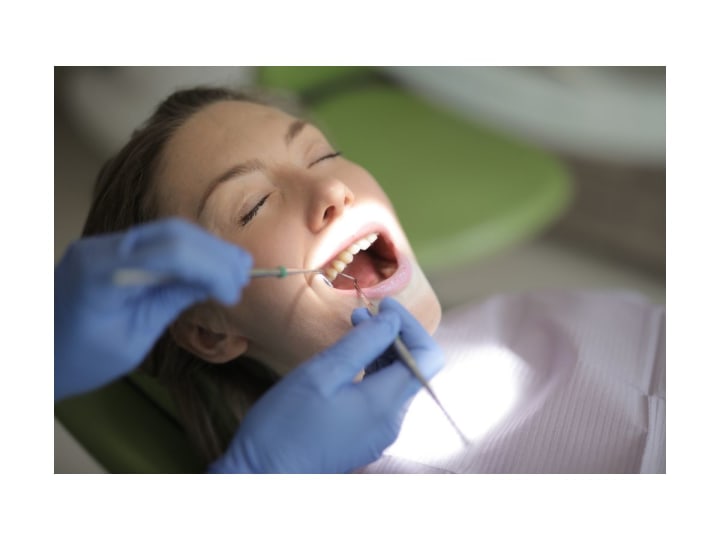
Even with an excellent at-home routine, regular visits to the dentist are crucial for maintaining oral health.
1. Routine Dental Checkups
Frequency: Schedule visits every six months or as recommended by your dentist.
What to Expect: Dentists check for signs of decay, gum disease, and other issues that might not be noticeable to you.
2. Professional Teeth Cleaning
Dental hygienists remove plaque and tartar that daily brushing and flossing can’t eliminate. They also polish your teeth, leaving them smooth and less prone to plaque buildup.
3. X-Rays
Dental X-rays help identify hidden issues like cavities between teeth, impacted teeth, or bone loss.
4. Preventive Treatments
Sealants: Protective coatings applied to back teeth to prevent cavities.
Fluoride Treatments: Strengthen enamel and reduce decay risk.
5. Addressing Dental Issues
Dentists provide a range of treatments for dental problems, such as:
Fillings for cavities.
Crowns to restore damaged teeth.
Root canal therapy for infected teeth.
Tooth replacement options like implants or bridges.
Tips for Children’s Dental Care
Establishing good oral hygiene habits early is crucial for children.
1. Baby Teeth Are Important
Healthy baby teeth set the stage for proper speech development and alignment of permanent teeth.
2. First Dental Visit
Take your child to the dentist by their first birthday or within six months of their first tooth erupting.
3. Teaching Proper Habits
- Encourage kids to brush for two minutes twice daily.
- Use a fun toothbrush and flavored toothpaste to make brushing enjoyable.
- Supervise brushing until they can do it effectively on their own (around age 7-8).
- Signs You Need to See a Dentist
Don’t wait for your next scheduled appointment if you experience any of the following symptoms:
- Persistent toothache or sensitivity.
- Bleeding or swollen gums.
- Loose teeth or noticeable tooth movement.
- Jaw pain or difficulty chewing.
- Bad breath that doesn’t improve with brushing and flossing.
Advanced Dental Care for a Perfect Smile

In addition to maintaining oral health, modern dental care includes cosmetic and restorative procedures to enhance your smile:
Teeth Whitening: Removes stains for a brighter smile.
Veneers: Thin shells that cover imperfections on the teeth.
Orthodontics: Align teeth with braces or clear aligners like Invisalign.
Dental Implants: Replace missing teeth with durable, natural-looking solutions.
Conclusion
Dental care is an essential part of overall health and well-being. By following a consistent at-home routine, making smart dietary choices, and visiting your dentist regularly, you can prevent common dental problems and keep your smile healthy for life. Whether you’re looking to prevent cavities, address oral health concerns, or enhance your smile, prioritizing dental care is the key to success.
Take the first step toward better oral health today by scheduling an appointment with your dentist!
About the Creator
You're alone, because you're lost
Being alone is a fear that one in three adults face WORLDWIDE. Why? Are we scared to be alone because we are faced with all of our thoughts we once tried to suppress? Or are we scared because we feel uncomfortable? Uncomfortable with the idea of being in a room with just you. You and your nasty thoughts. Thoughts like “Damn I should've apologized”, or “Why hasn't he texted me back?” or “I am a failure”. Yea. those thoughts. The forbidden thoughts that come sneak by the midnight hour, ...if you're lucky. You see loneliness doesn't have to be this way. It all starts with you.
By C⃣ h⃣ a⃣ n⃣ e⃣ l⃣5 days ago in Lifehack




Comments
There are no comments for this story
Be the first to respond and start the conversation.