
The Ultimate Guide to Dehumidifiers: Benefits and Maintenance Tips
Transform Your Air, Transform Your Life

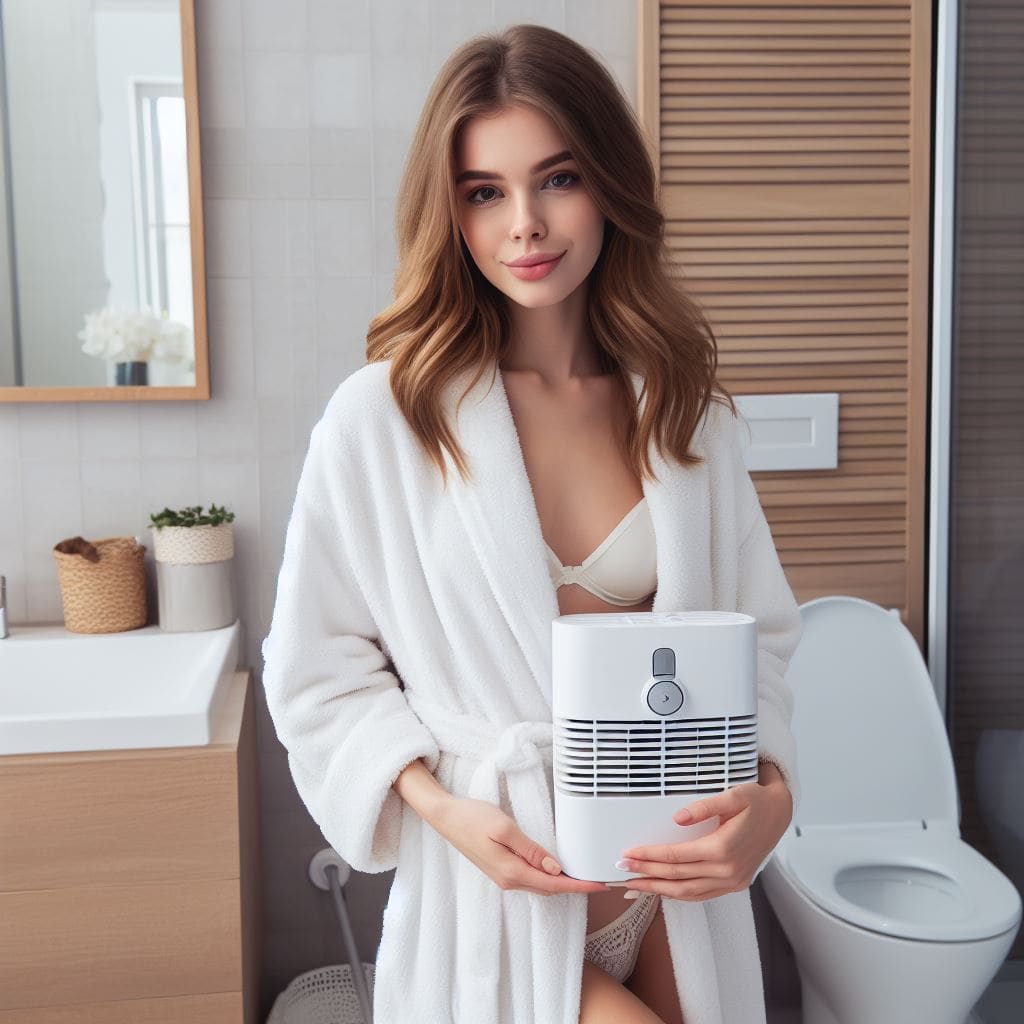
Humidity is the quantity of moisture present in the air. It is an important aspect in affecting the comfort and health of indoor spaces. High humidity levels, often exceeding 60%, can foster the growth of mold, mildew, and dust mites, causing allergies, asthma, and respiratory problems. Furthermore, excessive moisture can harm furnishings, electronics, and structural components of a home, resulting in pricey repairs. On the other hand, low humidity can cause dry skin, irritation, and respiratory discomfort. Thus, keeping adequate humidity levels is critical for a comfortable, healthy, and well-preserved interior environment. This is where dehumidifiers come in handy, helping to manage humidity levels and prevent the negative consequences of excessive moisture.
Benefits of Using a Dehumidifier
Health Benefits: Allergen Reduction: Dehumidifiers help to reduce moisture levels in the air, which limits the formation of mold, mildew, and dust mites. These allergens can cause asthma, allergies, and other respiratory issues. Dehumidifiers make living spaces healthier by lowering humidity, which is especially important for people who are sensitive. Prevention of Mold and Mildew: Mold and mildew thrive in high humidity conditions, which can lead to major health problems and property damage. Dehumidifiers help to maintain an appropriate humidity level, preventing mold and mildew from growing and spreading.
Home Maintenance Benefits: Protection of Furniture and Belongings: Excess moisture can corrode metal objects, deform or stain upholstery, and harm wood furniture. A dehumidifier helps to keep these essential goods dry.Moisture can infiltrate into the walls, floors, and ceilings, causing structural damage, wood rot, and warping. A dehumidifier protects your home's structural integrity by managing humidity levels.
Comfort Benefits: Improved Indoor Air Quality: High humidity can make the air seem heavy and oppressive, resulting in a muggy and musty atmosphere. A dehumidifier improves air quality by removing excess moisture, causing the air to feel cooler and more comfortable.Enhanced
Comfort and Reduced Musty aromas: Dehumidifiers help reduce the musty aromas that are commonly associated with damp settings. This results in a more pleasant and comfortable living environment, free of unwanted odors.Using a dehumidifier not only improves comfort and air quality, but it also protects your health and home from the negative consequences of high humidity.
Factors to Consider
Room Dimensions and Coverage Area: Compute the area's square footage that requires dehumidification. Dehumidifiers are assessed according to their effective coverage area and moisture removal capacity, which is expressed in pints per day. Make sure the model you select is appropriate for the size of your room.
Climate and Humidity Level: Take into account the typical climate and humidity levels in your area. A larger capacity dehumidifier could be required in areas with greater humidity levels. Certain models are also more appropriate in hot or colder climates.
Energy Efficiency: Dehumidifiers that fulfill energy efficiency standards should be identified by their ENERGY STAR label. An energy-efficient model may efficiently remove moisture from the air while saving electricity.

Noise Level: The noise produced by dehumidifiers varies. Choose a dehumidifier with a lower decibel rating for quieter operation if you intend to use it in a living room, workplace, or bedroom.
Extra Elements
- Auto Shut-Off: This function prevents overflow by shutting off the dehumidifier when the water tank is full.
- Continuous Drainage: This feature dispenses with the need to manually empty the tank by allowing you to connect a hose to the unit for continuous water drainage.
- Humidistat: You can program the integrated humidistat to operate automatically by setting the desired level and having it measure and display the current humidity level.
- Portability: The dehumidifier can be more easily moved from room to room thanks to features like wheels and handles.

Installation Tips
Positioning for Optimal Performance: For best moisture removal, position the dehumidifier in the middle of the room or in the area with the highest humidity.For optimal ventilation, make sure there is at least 6 to 12 inches of space surrounding the unit.Assuring Appropriate Ventilation: Keep the dehumidifier away from any furnishings, walls, or drapes that can block airflow.Make sure the area is ventilated in basements or enclosed areas so the dehumidifier can function effectively.
Operational Guidelines
Choosing the Ideal Humidity Level: To ensure maximum comfort and health, use the built-in humidistat to determine the ideal humidity level, which is normally between 30 and 50%.Adapt settings to particular room conditions and seasonal variations.Frequent Monitoring and Adjustments: Monitor the humidity level frequently and make necessary adjustments to the parameters.Keep an eye on the dehumidifier's operation to make sure the appropriate humidity level is maintained.

Maintenance Tips
- Cleaning the Filter: Depending on usage and manufacturer recommendations, clean or replace the air filter every few weeks.Maintaining a clean filter guarantees effective functioning and extends the dehumidifier's lifespan.
- Emptying the Water Tank: To avoid overflow, regularly empty the water tank. When the tank is full, certain models incorporate an indicator light or alert.If available, take into account employing a continuous drainage option for convenience.
- Configuring Continuous Drainage: Connect a hose to the outlet of the continuous drain and route it towards a sink or floor drain.To ensure that the water flows smoothly, make sure the hose is firmly attached and not kinked.
- Regular Upkeep Inspections: Check for dust and debris on the coils and other internal parts. To keep them operating efficiently, clean them as needed.Look for any wear indicators on the unit, including cracks or leaks, and take quick care of any problems.
- Defrosting the Device: Make sure the dehumidifier has an auto-defrost function in colder climates to avoid frost accumulation on the coils.In the event that frost does build up, turn off the appliance and give it time to thaw before turning it back on.
Conclusion
Sustaining ideal levels of indoor humidity is essential for a happy and healthy living space. In order to achieve this equilibrium, dehumidifiers are essential since they cut down on excess moisture, stop mold and allergies from growing, and save your possessions. To choose the best dehumidifier for your needs, take into account variables such room size, humidity levels, energy efficiency, noise level, and extra features.Your dehumidifier can run smoothly and last a long time with regular maintenance and typical problem solving. You can take advantage of increased comfort, better indoor air quality, and a well-preserved home by making a quality dehumidifier purchase and adhering to care instructions.
Accept the advantages of a dehumidifier and take charge of your interior space to make it a healthier and more pleasurable place for you and your family to live.
About the Creator
Keep reading
More stories from writers in Lifehack and other communities.
5 Best AI Tools for Women
A modern woman's life is full of tasks. We need to balance work, home, family, friends, and personal care. But with only 24 hours in a day, we often struggle to find time for our favorite activities because we need to plan what to cook for dinner or make a shopping list for the week. It can all feel overwhelming, but the load can be made lighter with the help of AI, as many of our daily tasks can be delegated to various AI assistants. What apps can help you spend more time on yourself? Read on to find out.
By Lesya Chumak6 days ago in Lifehack
Why Didn't Anyone Tell Us
Men, move along. This is not for you. This is for the women. I was forty-five when I began menopause. It is pretty young for that to be going on in a woman’s life, but I had undiagnosed PCOS, my entire life. Thank you to all the gynecologists I had seen my entire life. That in itself should encourage women to keep seeking second opinions, especially when you are not getting correct answers or any at all.
By Alexandra Grant2 days ago in Humans


Comments (2)
good work
Thanks for the well detailed analysis