
The Things We Throw Away
A Story of Realizing the Cost of Convenience and the Power of Respecting What We Have

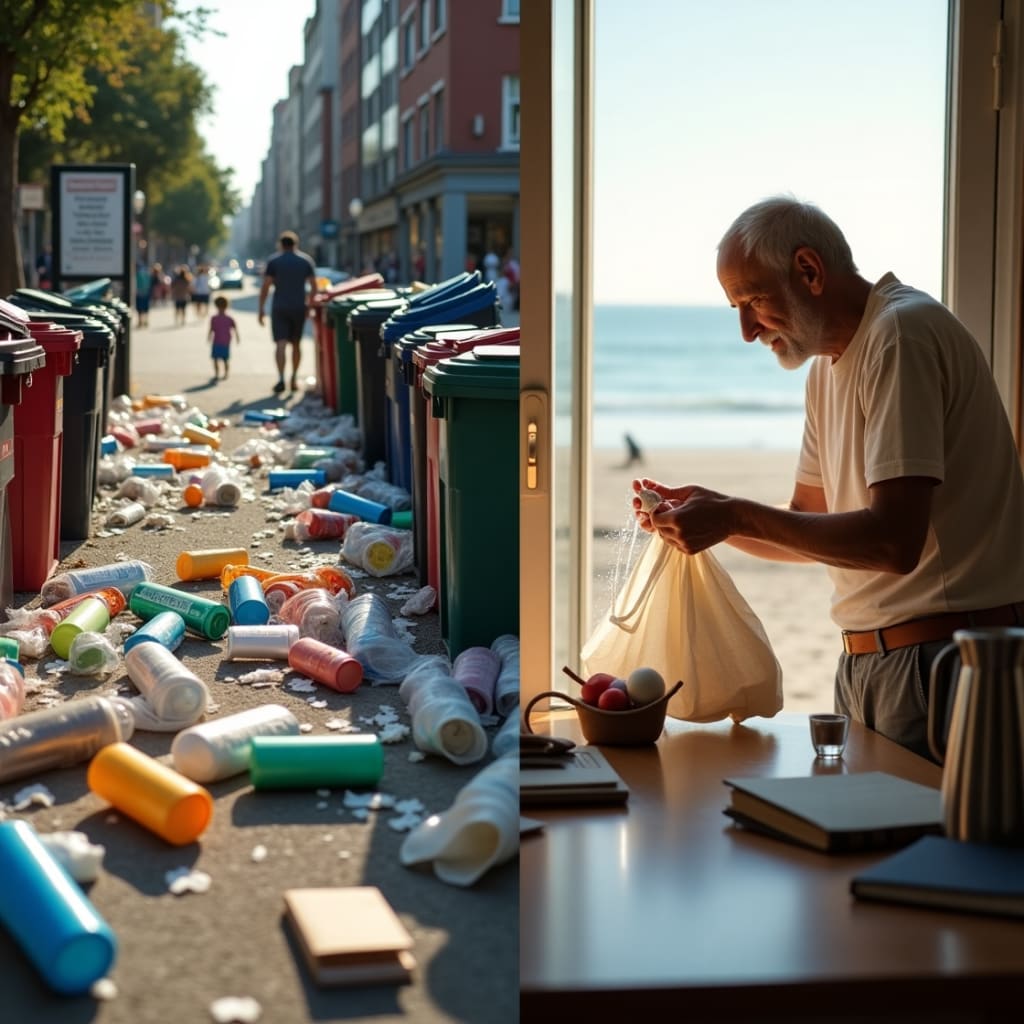
When I was a child, my grandfather would wash and reuse plastic bags.
At the time, I found it embarrassing. While my friends brought shiny new lunchboxes, mine came wrapped in a slightly crinkled bag that had already seen a dozen sandwiches. “We’re not poor,” I’d protest. “Why can’t we just buy new ones?”
He would just smile and say, “Because things don’t need to be new to be useful.”
Back then, I didn’t understand. Now, I do.
I grew up, got a degree, and landed a corporate job in a high-rise with a glass-walled pantry that stocked fresh bottled water, paper cups, snacks in shiny wrappers, and a coffee machine that ran constantly. It felt like success: fast, convenient, disposable.
Until one day, during a routine meeting, the office manager mentioned how we went through 10,000 paper cups every month. I laughed at first. That number seemed exaggerated. But then I started noticing. People grabbed a new cup for every refill. Unfinished water bottles filled the trash. Desks piled with food wrappers. No one thought twice.
And suddenly, I remembered my grandfather—rinsing out a ziplock and hanging it by the window to dry.
That night, I sat with my journal and wrote down everything I had thrown away that day:
Two paper coffee cups
One plastic fork
A water bottle (barely used)
Leftovers I didn’t feel like eating
A broken pen
None of it seemed much at the time. But together? It felt like a quiet kind of violence.
It’s not that I didn’t care. I just never noticed.
Convenience had numbed my sense of responsibility.
Around the same time, I watched a documentary about a coastal village where plastic waste washes up every morning. The narrator said something that still echoes in my mind:
“Nothing truly disappears. It just goes somewhere else.”
That hit me hard.
I realized the plastic I threw away didn’t vanish—it traveled. The water I left running didn’t just drain—it depleted. The food I wasted wasn’t just garbage—it was someone else’s meal. The energy I left burning overnight wasn’t free—it had a cost I didn’t see.
So I started small.
I brought a reusable cup to work. I stopped buying bottled water. I carried my own fork. I took home leftovers. I fixed my broken pen instead of tossing it.
People noticed. Some joked, calling me “eco-warrior.” Others followed quietly. My habits spread, not because I preached, but because I practiced.
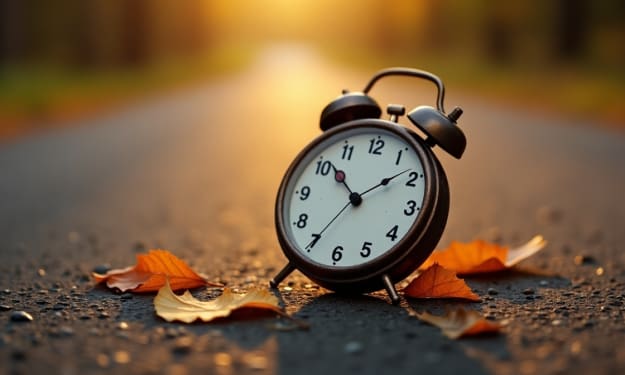
I also began rethinking other resources—like time.
How many hours had I wasted scrolling meaninglessly? How many mornings did I hit snooze on dreams I once had fire for? How often had I tossed aside ideas, relationships, even parts of myself—because they felt inconvenient?
Wasting resources isn’t just about plastic. It’s about everything we take for granted.
I visited my grandfather not long after that. He was older now, slower, but still sharp.
I told him about my new lifestyle, expecting praise.
But he chuckled and said, “It’s not new. You’re just remembering.”
He pulled out an old, faded cloth—one I recognized from my childhood—and used it to dry his hands. “You don’t need more to live better,” he said. “You just need to respect what you have.”
Those words stayed with me.
Today, I live differently. Not perfectly—but consciously.
I compost food scraps. I buy fewer things, but better ones. I reuse. I recycle. I take shorter showers. I read more and scroll less. I spend my energy like it matters—because it does.
I’ve learned that waste comes from forgetfulness. When we forget where things come from, we forget their value.
That sandwich bag? It took oil, water, machines, hands, and time to make.
That meal? It traveled thousands of miles. It required seeds, soil, sun, sweat.
That hour you spent watching mindless content? It could’ve been a call to a friend. A walk. A page written. A breath taken.
The planet doesn’t need heroes. It needs awareness.
It needs more people asking, “Do I need this?” before buying.
More people fixing before replacing.
More people slowing down before tossing away.
Because resources are not infinite—not in nature, not in our lives.
Closing Line:
Don’t wait for scarcity to teach you value.
What you waste today, someone else is praying for.
Respect the resources you have—because they’re not just things.
They’re gifts.
About the Creator
Keep reading
More stories from hazrat ali and writers in Lifehack and other communities.

Comments
There are no comments for this story
Be the first to respond and start the conversation.