
The Staircase: Function, Design, and Style in One Architectural Element
The staircase is far more than just a way to move between floors.
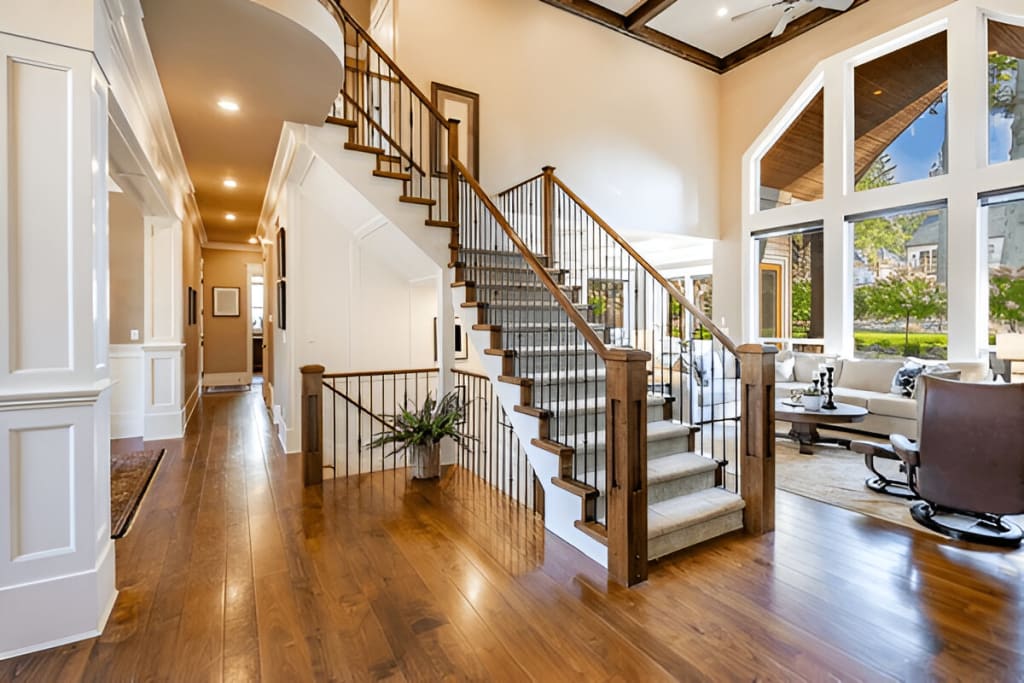
The staircase is far more than just a way to move between floors. It’s a structural necessity, a visual focal point, and, when well-designed, a statement of architectural elegance. Whether it’s a grand central stairway in a luxury home, a compact spiral staircase in a loft, or a minimalist staircase in a modern apartment, the staircase plays a critical role in both form and function.
In this article, we’ll explore the importance of staircases in building design, the different types and styles available, key materials used in construction, and tips for creating a staircase that complements your home while meeting safety and building regulations.
Why Staircases Matter?
A staircase serves a basic functional purpose: connecting one level of a building to another. But its influence extends beyond simple utility. A staircase can dramatically influence the layout and aesthetic of a space. It can serve as a divider, a connector, or even a sculptural feature in open-plan architecture.
When designed well, a staircase enhances a home's flow, safety, and overall value. Conversely, a poorly planned staircase can disrupt movement, reduce usable space, and even pose safety hazards.
Common Types of Staircases
There are several types of staircases, each with unique advantages depending on the space, purpose, and aesthetic you're aiming for.
1. Straight Staircase
The most common and straightforward design. It runs in a straight line and is easy to design and build. Ideal for most homes and very efficient in use of space.
2. L-Shaped Staircase
A straight staircase with a landing that changes direction (usually 90 degrees). It offers more privacy between floors and can be tucked into corners more easily.
3. U-Shaped Staircase
Also known as a switchback or half-turn staircase. It consists of two parallel flights connected by a landing. It's efficient for taller buildings and more compact than a straight stair.
4. Spiral Staircase
Compact and space-saving, spiral staircases wind around a central pole. Ideal for tight areas or as a secondary staircase, though not always comfortable for regular use.
5. Winder Staircase
Similar to L-shaped stairs, but the landing is replaced by wedge-shaped steps that turn the corner. It saves space and adds visual interest.
6. Floating Staircase
A modern design where treads are mounted to the wall with no visible supports. It creates an open, airy feel and is ideal for contemporary interiors.
7. Curved Staircase
Sweeping and elegant, curved stairs are often used as a showpiece in luxury homes or hotels. They are more expensive and complex to build but create a stunning visual impact.
Choosing the Right Material
Material selection for staircases impacts safety, durability, aesthetics, and maintenance.
1. Wood
A classic and versatile option, wood offers warmth and character. It’s perfect for traditional and rustic styles but can also be adapted for modern designs with clean lines and dark finishes.
2. Metal
Steel or iron staircases provide a modern, industrial look. They are durable, strong, and ideal for minimalist interiors or commercial spaces.
3. Glass
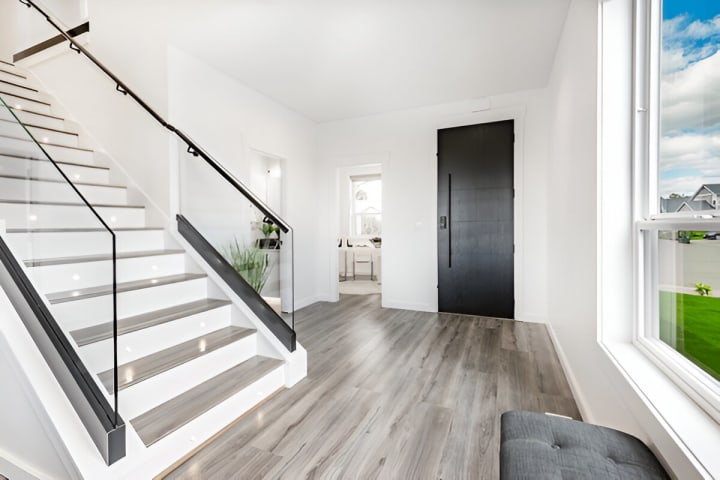
Glass staircases create a contemporary and luxurious feel. Usually paired with stainless steel or wood, glass treads or railings allow for maximum light and openness in a space.
4. Concrete
Ideal for industrial or modern homes, concrete staircases are durable and can be left raw or finished with tiles, wood, or carpets.
5. Stone
Natural stone like marble or granite offers elegance and durability, often used in grand staircases in entryways or high-end homes.
Each material comes with its own pros and cons in terms of cost, slip resistance, maintenance, and aesthetic value. It’s important to choose based on how the staircase will be used and the overall style of the space.
Staircase Design Considerations
When designing or renovating a staircase, there are several important aspects to think about beyond style.
1. Space Planning
A staircase takes up more space than many people realise. Consider ceiling height, floor area, and traffic flow. Straight stairs are the easiest to fit, but winding or spiral stairs can save space in small areas.
2. Lighting
Natural or artificial lighting is key. Staircases should be well-lit to ensure safety. Consider LED step lights, wall sconces, or even under-tread lighting for modern designs.
3. Safety
Handrails, non-slip treads, proper riser height, and tread depth are essential for a safe staircase. Open risers look modern but may not be ideal for homes with small children or elderly occupants.
4. Regulations
Building codes specify rules for riser height, tread depth, railing height, and load capacity. Always consult a professional to ensure compliance with local safety standards.
5. Storage
Under-stair storage is a clever way to maximize space in smaller homes. Options include drawers, cabinets, or even built-in shelves and seating.
Staircases as Architectural Features
Today’s staircases are more than a means of movement—they’re often central design features. In open-concept homes, staircases can anchor the room, acting as a sculptural centerpiece.
Architects and designers now treat staircases as key aesthetic elements, incorporating materials, lighting, and layout to create dramatic or understated effects depending on the home’s style.
From floating timber treads to sleek steel and glass railings, a thoughtfully designed staircase can elevate the entire look and feel of your space.
Maintenance Tips
• Wood: Polish and check for creaks or loose boards regularly.
• Metal: Watch for rust or corrosion, especially in outdoor installations.
• Glass: Clean frequently to avoid smudges and scratches.
• Carpets: Vacuum regularly and consider anti-slip treatments.
Regular inspection ensures your staircase remains safe, clean, and attractive over the years.
Conclusion:
A staircase is a vital component of any multi-level home or building—one that balances utility, safety, and visual appeal. Whether you're planning a renovation or building a home from scratch, investing in a well-designed staircase enhances both the functionality and the value of your property.
With so many styles, materials, and layouts to choose from, your staircase can be more than a necessity—it can be a centrepiece. By focusing on quality construction, thoughtful design, and compliance with building standards, you’ll ensure your staircase is as safe as it is stunning.
About the Creator
Keep reading
More stories from Kiara Waylen and writers in Lifehack and other communities.
Stuck With a Blocked Drains? Here’s the No Nonsense Way to Fix It
Ever stood at the sink, watching water swirl round and round—and go absolutely nowhere? You're not alone. Clogs can be sneaky, turning everyday routines—washing dishes, taking a shower—into a headache. But guess what? You don’t always need a pro. With the right info and tools, you can tackle most clogs yourself—and even stop them from ever happening again.
By Kiara Waylen9 months ago in Lifehack
10 Simple Habits for Strong Teeth and Healthy Gums
Maintaining good oral health is essential not only for a bright smile but also for overall well-being. Your mouth is the gateway to your body, and poor oral hygiene can lead to various health problems such as gum disease, tooth decay, and even infections that may affect other parts of the body. Fortunately, taking care of your teeth and gums does not require complicated routines. With a few simple daily habits, you can keep your mouth healthy for years.
By Nenci Gajera a day ago in Lifehack
The Basics of Successful Property Renovation Projects.
Property renovation is a cornerstone of real estate development, especially in markets with distressed or foreclosed homes. In cities across the country—from rapidly growing metros to legacy industrial hubs—renovation plays a vital role in revitalizing housing stock and meeting buyer demand. Successful renovation projects require careful planning, disciplined execution, and proactive management to maximize value and ensure the property meets modern buyer expectations. When approached strategically, renovation transforms underutilized properties into desirable homes while strengthening communities and generating strong financial returns.
By JB Hoover, Newport Beach3 days ago in Lifehack




Comments
There are no comments for this story
Be the first to respond and start the conversation.