
The Silent Threat Hiding in Our Offices
How Prolonged Sitting Affects Your Health and What You Can Do About It


A Wake-Up Call: The Spilled Coffee Incident
It all began with a simple accident - spilling coffee all over the desk. This seemingly trivial mishap led to a realization: spending hours sitting in the same position at work can have serious health consequences.
In today's fast-paced world, many of us spend countless hours sitting at our desks, unaware of the silent danger lurking beneath our sedentary lifestyles. Prolonged sitting has been linked to an increased risk of cardiovascular pathologies, putting the health of office workers at risk. In this post, we'll explore the connection between extended sitting, cardiovascular diseases, and the steps you can take to minimize your risk.
The Office Chair: A Silent Threat to Our Hearts
The shift towards sedentary lifestyles began with the Industrial Revolution, as jobs moved away from physically demanding labor to office-based work. With advancements in technology, the modern office has become increasingly desk-bound, leading to a surge in sedentary behavior. This shift has resulted in a growing body of research highlighting the detrimental health effects of prolonged sitting.
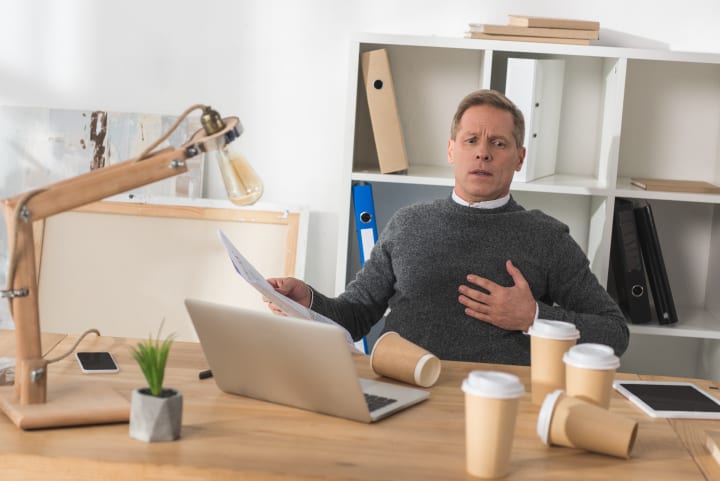
When we sit for extended periods, our blood flow slows down, inflammation increases, and we become more sedentary - all factors that contribute to a higher risk of cardiovascular disease.
The Great Blood Flow Slowdown: Unraveling the Mystery
One of the most significant consequences of prolonged sitting is the reduction in blood flow throughout the body. As blood flow slows down, it can lead to a buildup of fatty acids in the blood vessels. This condition, known as atherosclerosis, causes the arteries to narrow and harden, increasing the risk of heart attack and stroke.
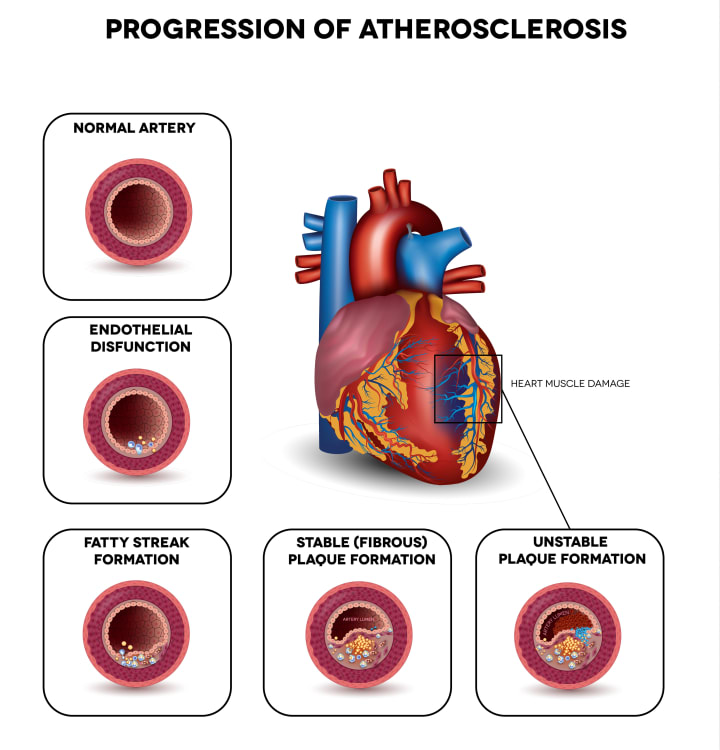
To counteract the negative effects of sitting on blood flow, it's essential to incorporate regular movement into your daily routine. By simply standing up and walking around every 30 minutes, you can significantly improve blood circulation and reduce the risk of atherosclerosis.
Inflammation and Sitting: A Troubling Connection
When we sit for long periods, our bodies experience increased inflammation, which can contribute to the development of cardiovascular diseases. Inflammation is a natural response to injury or infection, but chronic inflammation can damage healthy tissue and lead to the formation of plaques in the arteries.

To combat inflammation, consider incorporating anti-inflammatory foods into your diet, such as fatty fish, berries, and leafy greens. Additionally, engaging in regular physical activity can help to reduce inflammation and support cardiovascular health.
Break the Sitting Cycle
In many ways, the modern office environment promotes a sedentary lifestyle. Prolonged sitting contributes to physical inactivity, which is a leading risk factor for cardiovascular disease. In fact, physical inactivity has been shown to be as dangerous as smoking when it comes to heart health.
To mitigate this risk, incorporate regular breaks into your workday to stand up, stretch, and move around. Aim for a break every 30 minutes, even if it's just for a quick walk around the office or a few minutes of stretching at your desk.

Aim to incorporate regular exercise into your routine, both during and outside of work hours. This can include activities such as walking, cycling, swimming, or attending fitness classes. Remember, even small changes can make a significant difference in improving your cardiovascular health.
The Importance of Ergonomics: Sitting Smart for a Healthy Heart
While sitting is an unavoidable part of many jobs, you can take steps to improve your posture and reduce the strain on your body. Ergonomics - the study of designing workspaces for optimal health and efficiency - can play a crucial role in this. Ensure that your chair, desk, and monitor are positioned correctly to support good posture and minimize discomfort.
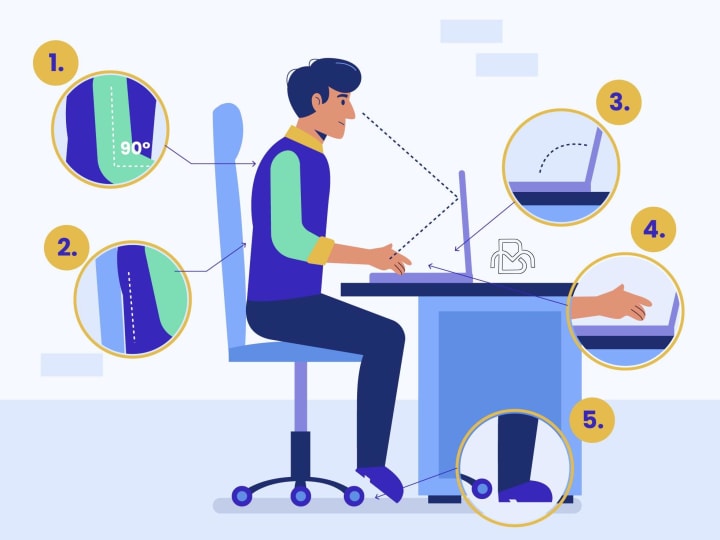
When selecting a chair, look for one with adjustable height, lumbar support, and a seat that allows you to sit comfortably with your feet flat on the floor. Additionally, your desk should be at a height that enables you to type with your elbows at a 90-degree angle, while your monitor should be positioned at eye level to reduce neck strain.
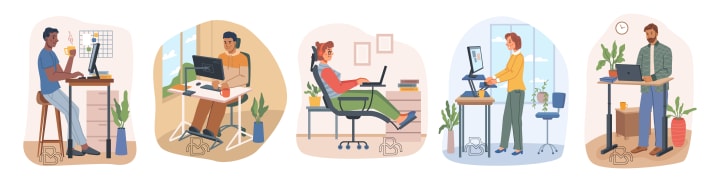
The Power of Movement: Tips for a More Active Workday
Incorporating movement into your workday is essential for combating the negative effects of prolonged sitting on cardiovascular health. Here are some practical tips to help you stay active throughout the day:
Follow the 20–8–2 rule: Aim to sit for 20 minutes, stand for 8 minutes, and move for at least 2 minutes every half hour.
Set reminders: Use smartphone apps, calendar reminders, or a simple timer to remind you to change your posture and move regularly.
Adopt an adjustable workstation: Use a sit-stand desk or an adjustable monitor and keyboard setup to easily switch between sitting and standing.
Incorporate movement into your routine: Look for opportunities to add more movement to your day, such as taking the stairs instead of the elevator or walking to a colleague's desk instead of emailing.
Stretch and exercise: Engage in regular stretching exercises to alleviate muscle tension and promote flexibility. Make time for physical activity outside of work hours to maintain overall health.
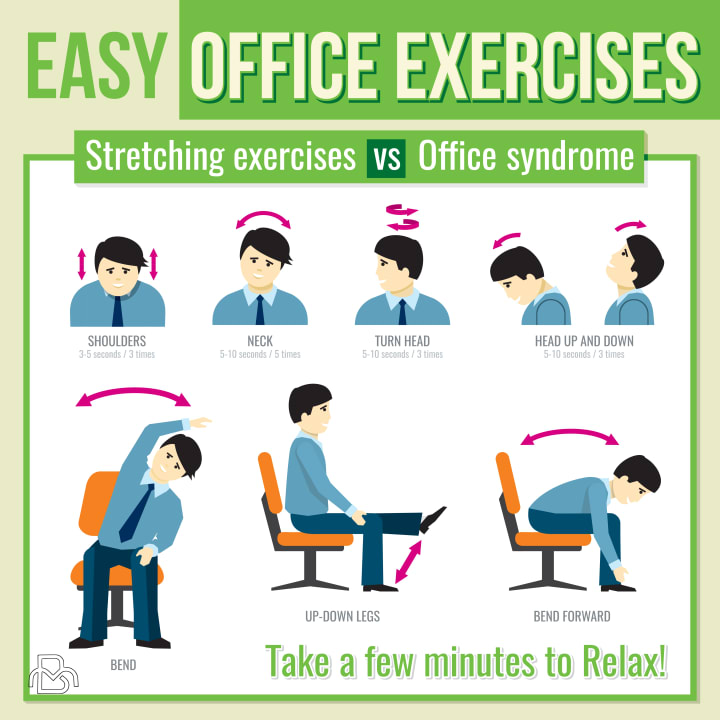
Optimize your workspace: Ensure that your workstation is ergonomically designed, with the appropriate chair, desk, and monitor height to support good posture while sitting or standing.
Listen to your body: Pay attention to your body's signals and adjust your sitting, standing, and moving habits accordingly. If you feel discomfort or fatigue, take a break, change your position, or engage in some light physical activity.
Track your activity: Use activity trackers, wearable devices, or smartphone apps to monitor your daily sitting, standing, and moving habits. This data can help you identify patterns and make adjustments to your routine as needed.
Use an Intermittent Pneumatic Compression Device at the Office: VADOplex is a type of intermittent pneumatic compression (IPC) device that can be used to promote blood circulation and provide relief to individuals who experience leg pain or swelling due to prolonged sitting at work. Incorporating VADOplex into your office routine can help prevent the development of venous disorders, such as deep vein thrombosis (DVT) or varicose veins.
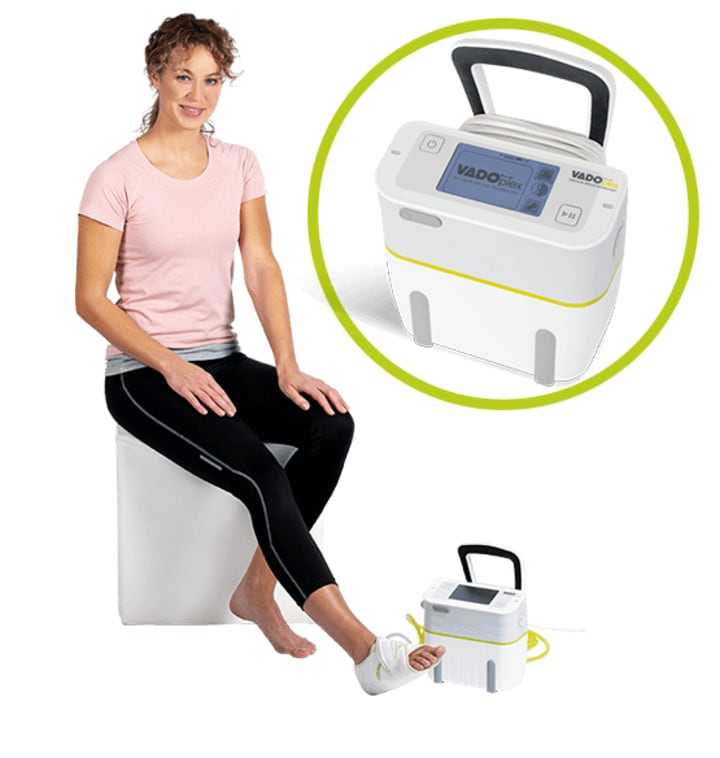
Using an IPC device like VADOplex at the office can be a convenient way to maintain leg health and prevent venous disorders associated with prolonged sitting.
By implementing these strategies, you can reduce the risks associated with prolonged sitting and promote better cardiovascular health in the workplace.
About the Creator
Mohammad Barbati
Mohammad E. Barbati, MD, FEBVS, is a consultant vascular and endovascular surgeon at University Hospital RWTH Aachen. To date, he has authored several scientific publications and books regarding vascular and venous diseases.
Keep reading
More stories from Mohammad Barbati and writers in Lifehack and other communities.
The Strangling Ligament
Today, we're going to delve into the fascinating world of ligaments, and more specifically, the star of our show: the Median Arcuate Ligament (MAL). Buckle up and let's unravel the mysteries of Median Arcuate Ligament Syndrome (MALS) together!
By Mohammad Barbati3 years ago in Lifehack
The Gym Left Me Empty. This Is the Connected, Joyful Future of Fitness
My Wellness Was a Mess. Here’s How I Discovered 2025’s Life-Changing Trends (And Actually Stuck With Them). Let me be brutally honest for a second. Two years ago, my idea of “wellness” was a chaotic, guilt-driven scramble. It was kale smoothies I hated, a gym membership I used as a $70/month guilt-trip, and a phone filled with meditation apps I opened once. I was chasing trends, not results. I felt overwhelmed, disconnected from my own body, and honestly, a bit like a failure. The noise was deafening: “Biohack this!” “Detox that!” “Crush your workout!” I was trying to follow all the rules, but my energy was in the gutter, my sleep was a mess, and that feeling of vibrant health felt like a myth sold to other people.
By John Arthor5 days ago in Lifehack
Cardio Machines for Home Gyms: What Really Matters (and What You Can Ignore)
Cardio equipment is one of the most common—and expensive—mistakes people make when building a home gym. Not because cardio is unnecessary, but because many buyers focus on the wrong things: flashy screens, trendy brands, or features they rarely use after the first few weeks.
By Enrique Navarro7 days ago in Lifehack



Comments
There are no comments for this story
Be the first to respond and start the conversation.