
"The Silent Symptoms of High Blood Pressure"
Silent symptoms of high blood pressure & its home remedies

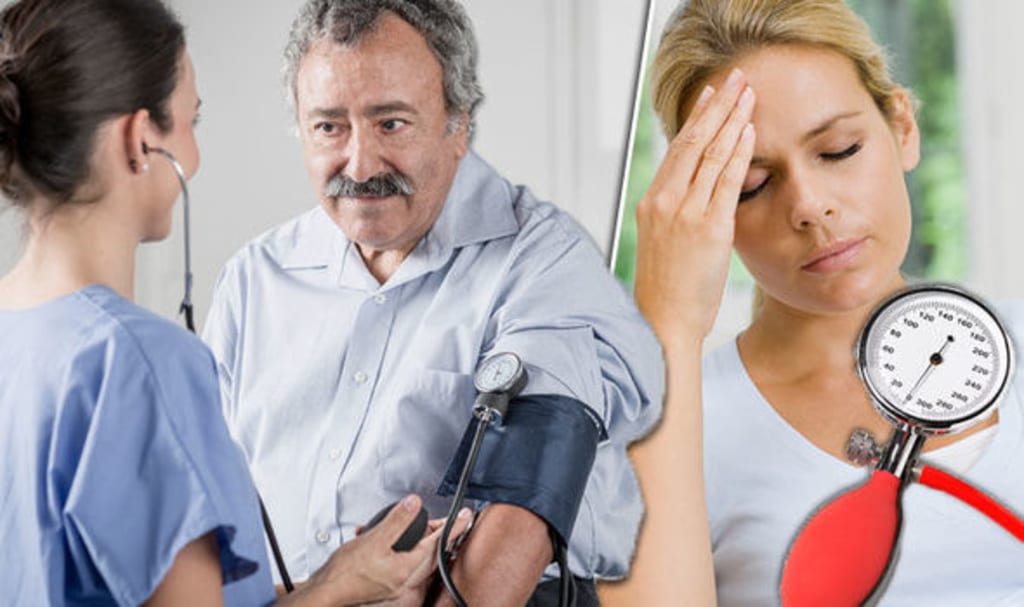
The Silent Symptoms of High Blood Pressure You Shouldn’t Ignore – Primary Precautions, Home Remedies, and When to See a Doctor :
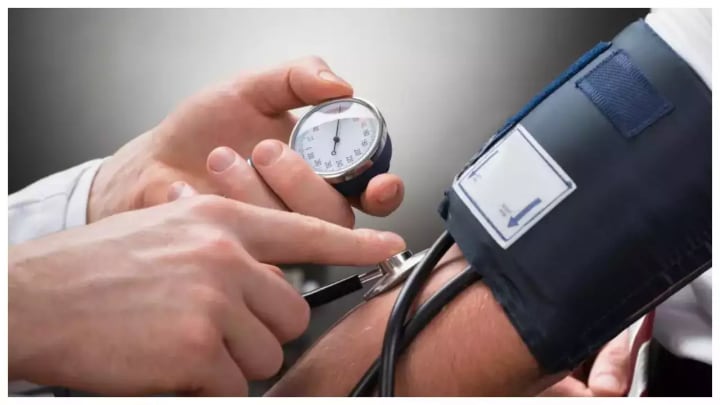
The "silent killer," high blood pressure, can develop without any outward signs. Many people live with it for years, unaware of the damage it’s causing to their heart, arteries, and other organs. The scary part? You might feel perfectly fine until it’s too late. But your body often sends subtle warning signs—if you know what to look for.
In this article, we’ll explore the silent symptoms of high blood pressure, why they’re dangerous, and what you can do to protect yourself. From primary precautions to home remedies and when to consult a doctor, we’ve got you covered. Let’s dive in.
________________________________________

What is High Blood Pressure?
Blood pressure is the force your blood exerts against the walls of your arteries as it circulates through your body. Think of it like water flowing through a hose—if the pressure is too high, it can damage the hose over time. In medical terms, blood pressure is measured in millimeters of mercury (mmHg) and is represented by two numbers: systolic pressure (the pressure when your heart beats) over diastolic pressure (the pressure when your heart rests between beats). Usually, a blood pressure measurement of 120/80 mmHg is considered normal.
However, when your blood pressure consistently climbs above 130/80 mmHg, you may be diagnosed with hypertension, or high blood pressure. Here’s how hypertension is categorized:
• Normal: Below 120/80 mmHg
• Elevated: 120-129/80 mmHg
• Stage 1 Hypertension: 130-139/80-89 mmHg
• Stage 2 Hypertension: 140+/90+ mmHg
Ignoring high blood pressure is like ignoring a ticking time bomb. Over time, the excessive force can damage your arteries, heart, brain, kidneys, and other vital organs, leading to life-threatening conditions like heart attacks, strokes, or kidney failure. The scary part? Perhaps you won't even notice it until it's too late. Understanding and controlling your blood pressure is therefore extremely important.
________________________________________
Why is it Called the Silent Killer?
The reason high blood pressure is referred to as the "silent killer" is that it frequently shows no symptoms. You could experience it for years without experiencing any unusual symptoms. There are a few subtle clues your body may be giving you, though. Come on, let's find them.
________________________________________
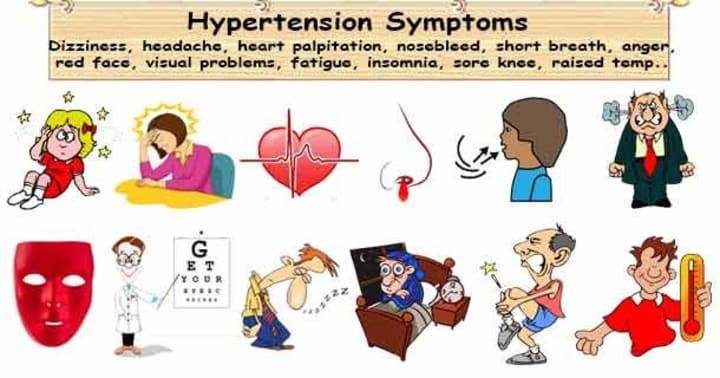
Silent Symptoms of High Blood Pressure You Shouldn’t Ignore
While high blood pressure is often symptomless, there are some warning signs that can indicate a problem. Here are the most common ones:
1. Headaches
• Frequent or severe headaches, especially in the morning, can be a sign of high blood pressure. However, not everyone with hypertension experiences this.
2. Dizziness or Lightheadedness
• Feeling dizzy or lightheaded, particularly when standing up quickly, can be a subtle symptom.
3. Blurred Vision
• Having high blood pressure can harm your eyes' blood vessels, which might cause visual issues.
4. Shortness of Breath
• If you find yourself struggling to catch your breath during normal activities, it could be a sign of hypertension.
5. Chest Pain
• While chest pain is more commonly associated with heart attacks, it can also be a symptom of severely high blood pressure.
6. Fatigue or Confusion
• Feeling unusually tired or confused? It could be your body’s way of signaling that something’s wrong.
7. Nosebleeds
• While not always linked to high blood pressure, frequent nosebleeds can sometimes be a warning sign.
________________________________________
Why These Symptoms Are Dangerous
These signs can be dangerous because they are inconspicuous. Many dismiss them as age, stress, or exhaustion. However, disregarding them can result in serious issues, such as:
Stroke or heart attack
Kidney failure
Loss of sight
Deterioration of thought
________________________________________

Primary Precautions to Prevent High Blood Pressure
Prevention is always better than cure. Here are some primary precautions you can take to keep your blood pressure in check:
1. Adopt a Healthy Diet: Pay particular attention to a diet high in lean meats, whole grains, fruits, and vegetables. Cut back on processed meals, fizzy drinks, and salt.
2. Engage in Regular Exercise : On most days of the week, try to get in at least 30 minutes of moderate exercise. Cycling, swimming, and walking are all excellent choices.
3. Maintain a Healthy Weight :Blood pressure can be considerably reduced by losing even a minor amount of weight.
4. Limit Alcohol and Quit Smoking : Excessive alcohol and smoking can raise your blood pressure. Moderation is key.
5. Manage Stress : Engage in relaxation practices such as yoga, meditation, or deep breathing.
________________________________________
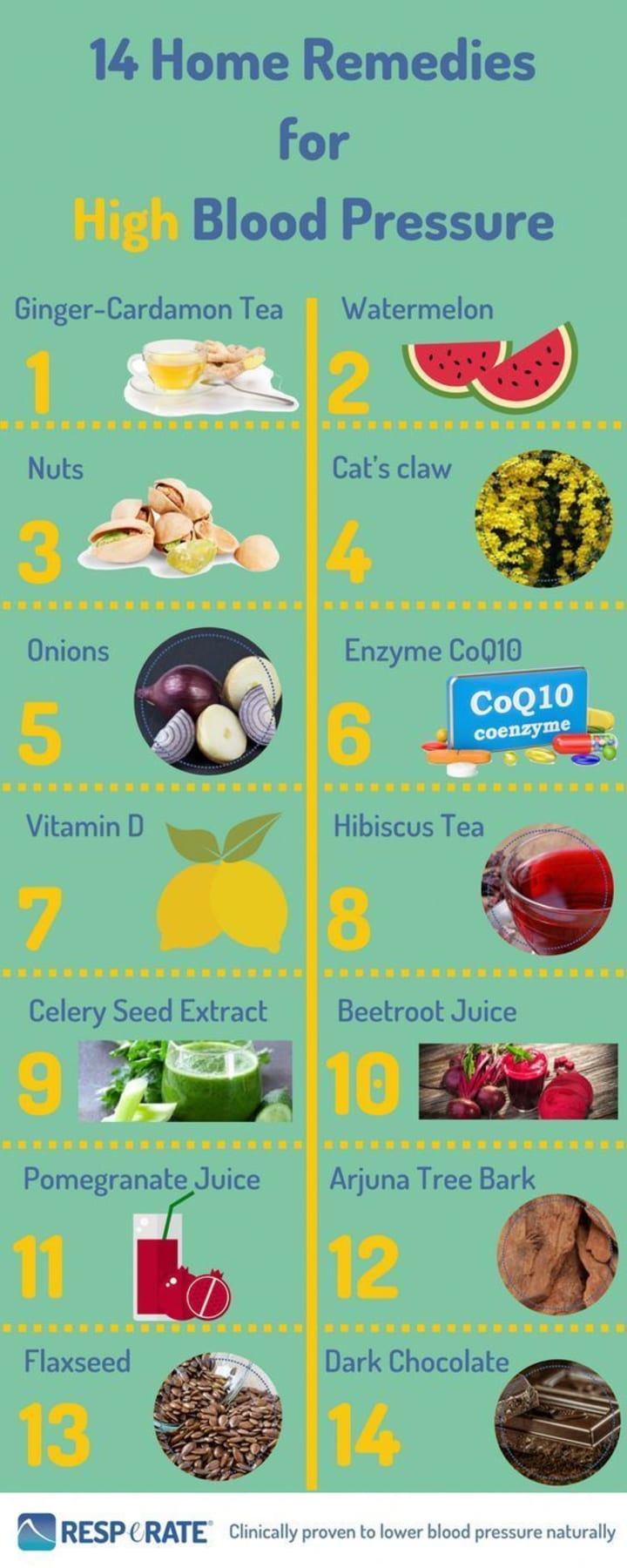
Home Remedies to Manage High Blood Pressure
If you’ve been diagnosed with high blood pressure or are at risk, these home remedies can help you manage it naturally:
1. Garlic
Garlic is known to relax blood vessels and improve blood flow. Try adding fresh garlic to your meals or take a supplement after consulting your doctor.
2. Hibiscus Tea
Research indicates that drinking hibiscus tea helps reduce blood pressure. For optimal effects, drink one cup per day.
3. Dark Chocolate
Dark chocolate (with at least 70% cocoa) contains flavonoids that can help lower blood pressure. Enjoy a small piece as a treat.
4. Potassium-Rich Foods
Foods like bananas, spinach, and sweet potatoes can help balance sodium levels in your body.
5. Deep Breathing Exercises
• Practicing deep breathing for 5–10 minutes daily can help reduce stress and lower blood pressure.
________________________________________
When to See a Doctor
While home remedies and lifestyle changes can help, it’s crucial to consult a doctor if:
• You experience any of the silent symptoms mentioned above.
• Your blood pressure readings are consistently high (above 140/90 mmHg).
• You have a family history of hypertension or heart disease.
Your doctor may recommend:
• Medications: Such as ACE inhibitors, beta-blockers, or diuretics.
• Regular Monitoring: Using a home blood pressure monitor.
• Lifestyle Changes: Tailored to your specific needs.
___________________________________
The Role of Technology in Managing High Blood Pressure
Advancements in technology have made it easier to monitor and manage high blood pressure. Here are some tools you can use:
• Smart Blood Pressure Monitors: These devices sync with your smartphone to track your readings over time.
• Health Apps: Apps like MyFitnessPal or Calm can help you track your diet, exercise, and stress levels.
• Wearable Devices: Smartwatches like Fitbit or Apple Watch can monitor your heart rate and activity levels.
________________________________________
Conclusion: Take Control of Your Health
High blood pressure might be a silent killer, but it doesn’t have to be a death sentence. By recognizing the silent symptoms, taking primary precautions, and using home remedies, you can protect yourself from its dangers. And remember, when in doubt, always consult a doctor.
________________________________________
Call-to-Action (CTA)
• Monitor Your Blood Pressure: If you haven’t checked your blood pressure recently, now’s the time. Visit your doctor or use a home monitor.
• Share This Article: Spread awareness by sharing this article with your loved ones. You might just save a life.
• Leave a Comment: Have you experienced any of these symptoms? Share your story in the comments below.
About the Creator
PRABAL TR PRO
✅ "Writer & Poet ✍️ | Exploring ideas, stories, and insights that inspire & captivate! From culture to creativity—let’s dive into the world of words!"
Keep reading
More stories from PRABAL TR PRO and writers in Lifehack and other communities.
"What Are Normal Blood Sugar Levels?"
Unlock the Secrets to Stable Blood Sugar: Your Ultimate Guide to Healthier Living Maintaining stable blood sugar levels is crucial for overall well-being. Whether you're aiming to prevent diabetes, improve energy levels, or simply feel better daily, understanding blood sugar regulation is key. This comprehensive guide will walk you through everything you need to know, from the basics of blood sugar to expert-backed tips for keeping it in check.
By PRABAL TR PROabout a year ago in Lifehack
How Sherman Lai Integrates Natural Therapies for Whole-Body Wellness
Many people have begun searching for natural methods to enhance their general health and well-being in recent years. Holistic healthcare concentrates on balancing the overall body rather than just treating symptoms. Because they promote long-term wellbeing, natural treatments including acupuncture, herbal medicine, and lifestyle counseling are growing in popularity. Sherman Lai, a practitioner renowned for this well-rounded approach, combines many natural healing techniques to assist people in achieving whole-body wellbeing.
By Sherman Lai Guelph4 days ago in Lifehack
Healthy Lifestyle Habits for Sustainable Weight Management
Living a healthy lifestyle has become a challenge for many people today. Modern routines often include long hours of sitting, irregular eating habits, fast food consumption, and limited physical activity. These habits can slowly affect the body and make it difficult to maintain a healthy weight.
By Backlinks Cart5 days ago in Lifehack



Comments
There are no comments for this story
Be the first to respond and start the conversation.