
The Silent Killer That Really Bites
Everything You Need To Know About Rabies

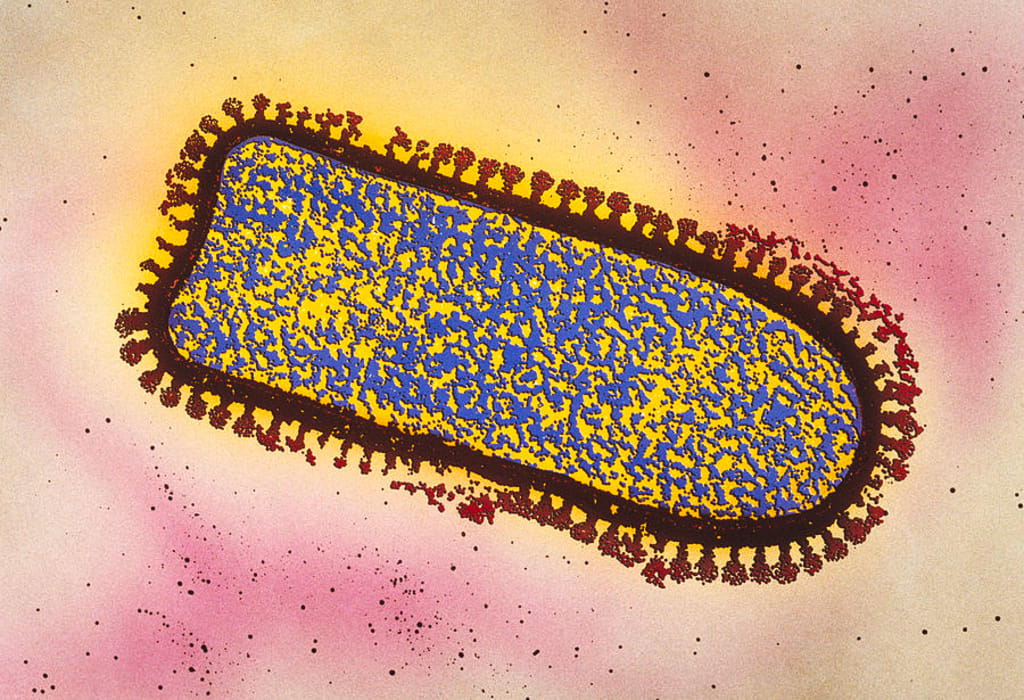
September 28th is World Rabies Day. Every year this disease claims 59,000 lives, with 95% of the cases occurring in Africa and Asia. 5,000 animals die every year with bats being the top carriers of disease. In the US, contracting rabies is extremely rare, but still possible. 90% of cases reported here are animal-based and usually involve the family pet. Rabies is a viral disease spread by contact with infected saliva most commonly through an infected animal’s bite. It is a member of the Rhabdoviridae family that includes Lyssavirus (Human Rabies), Ephmerovirus (Bovine Fever), and Vesiculovirus (VSV). Here are some things to remember about Rabies in the event you become exposed to the virus.
What Exactly Is Rabies?

If you have seen Old Yeller, Cujo, or Quarantine (REC for the Europeans), you are vaguely aware of the power Rabies can have on the body. For those who haven’t (and I highly recommend you see one of those films), Rabies is a zoonotic, viral disease that spreads to the nervous system and brain of the infected. It spreads primarily through animal bites, but really any exposure to infected saliva is enough to infect any person or animal. 40% of human cases involve children under 15 years old, as they are more curious and prone to coming into contact with the virus. Rabies is present on all continents except Antarctica. It is one of the Neglected Tropical Diseases (NTD) as it infects poor, vulnerable rural locations the most. On average, it costs the Global Healthcare System 8.6 billion dollars a year.
Rabies Symptoms

As soon as an animal bites you, and you suspect it of having rabies, go to the hospital as soon as possible. Rabies has a vaccine available, but only if it’s administered before symptoms show. Once they do, it becomes 100% fatal. The common symptoms of rabies are, but are not limited to:
- Fever
- Headache
- Agitation
- Confusion
- Hyperactivity
- Difficulty swallowing
- Excessive drooling
- Fear of fluids and the wind on your face
- Hallucinations
- Partial Paralysis
- Insomnia
The incubation period (wait time before symptoms show) is two to eight weeks, so you’ll need to act fast once infected. In rare cases, the incubation period can last up to two years.
Help! I’ve Been Bitten! What Do I Do?

First, calm down. It wasn’t a zombie that bit you, so panicking will just make things worse. Wash the bite immediately with soap and water. Once you clean the wound, go to the Emergency Room for further treatment. Try to quarantine the suspected animal for the authorities, without causing more damage to yourself. If it was a domesticated animal, like someone’s pet dog, contact the owner to get proper vaccination records. If none are available, they will put the animal into quarantine for observation. Unfortunately, if it is a wild animal like a raccoon, they will euthanize it for further testing. To see if it is a carrier of Rabies they’ll need to examine the brain steam for signs of the disease. The World Health Organization (WHO) puts Rabies infection into three distinct categories, each with its own post-exposure measures:
- Category One: No Exposure: Touching or feeding an infected animal or having it lick intact skin. No post-exposure measures are required. Wash exposed skin to remove contaminants.
- Category Two: Exposure: An infected animal has bitten exposed skin, causing abrasions and minor scratches that didn’t and are not currently bleeding. Upon arrival wound is clean and the vaccine process begins.
- Category Three: Severe Exposure: Visible bleeding bites or scratches, mucous membranes exposed to the virus, or broken skin licked by an infected animal. Once the wound is clean and the vaccine process begins, doctors will administer a Rabies immunoglobulin shot to further increase your success rate.
The Vaccine Process?

Yes, getting the vaccine requires multiple steps. The first step of the vaccine is getting the first one on the day they admit you to the hospital. Then you’ll need to follow up by getting a booster shot on the third, seventh, and fourteenth day after exposure. You must follow through with this vaccine schedule for it to be effective. Today, the vaccine is no longer admitted through the belly button, but into the upper arm or leg of the patient. If you work at a job where exposure to rabies is highly likely, prevention shots are available. They’re given the same day as the appointment, followed by a booster a week later. These can last up to three years.
Prevention

There are many ways to prevent getting infected with rabies. One, and the most important way to prevent infection is by getting your pets regularly vaccinated as they are the highest risk group of the disease. Keep them indoors, and if outside, ensure they are under your close supervision at all times. Never approach wild animals that appear to be distressed or foaming at the mouth, a common sign that the animal is, in fact, rabid. Report this to animal control or your local authorities right away. Never consume food or water found near a dead animal, as they could contaminate these sources with the virus.
Disclaimer: I am NOT a medical doctor. I did careful research through the CDC and WHO website, among other trusted sources, to write this article. Use the information provided at your own risk.
About the Creator
M.L. Lewis
Welcome to my little slice of pie. This blog will primarily focus on prepping and homesteading skills with a sprinkle of fiction every now and then.
Keep reading
More stories from M.L. Lewis and writers in Lifehack and other communities.
Prepping With Creativity
September 14th is National Live Creative Day. It’s an annual event that encourages people to look at the world through creative lenses. This holiday states that all of us are artists of our own rights. Today, we let our uniqueness shine and show everyone our inner artistic soul. In the US, there are currently 11,970 employed artists earning an annual salary of $68,690. 56% of households in the country will turn to a crafting hobby for personal enjoyment. Every year, the crafting market makes $44 billion dollars in the sale of supplies. With so many types of art mediums out there, quite a lot of them can save your life and benefit you in the apocalypse.
By M.L. Lewis3 years ago in Lifehack
5 Simple Lifehacks to Keep Your Teeth Healthy Every Day
Healthy teeth aren’t just about occasional dental visits—they’re shaped by the little choices you make every day. Simple habits, when done consistently, can prevent cavities, gum issues, sensitivity, and other oral concerns while keeping your smile bright and comfortable. These lifehacks are easy to integrate into your routine and don’t require drastic lifestyle changes.
By Smile Sydney3 days ago in Lifehack
Top Attractions of the Everest Region: Gokyo Lakes and Ama Dablam Peak
The Everest Region is famous for its majestic mountains, especially the highest peak in the world, but there is much more to explore beyond Everest. There lie pristine and lesser-known gems waiting to be explored with relatively fewer people around.
By Alex Winslow4 days ago in Lifehack
Review of 'Man on the Run'
My wife and I saw Man on the Run, a nearly 2-hour documentary on Amazon Prime, about Wings, Paul McCartney's group that flew around the world from shortly after The Beatles broke up in early 1970 to shortly after John Lennon was murdered at the end of 1980, making a Beatles reunion forever impossible.
By Paul Levinson7 days ago in Beat


Comments
There are no comments for this story
Be the first to respond and start the conversation.