
The Secret to Growing Healthy and Lush Ferns
The Secret to Growing Healthy and Lush Ferns

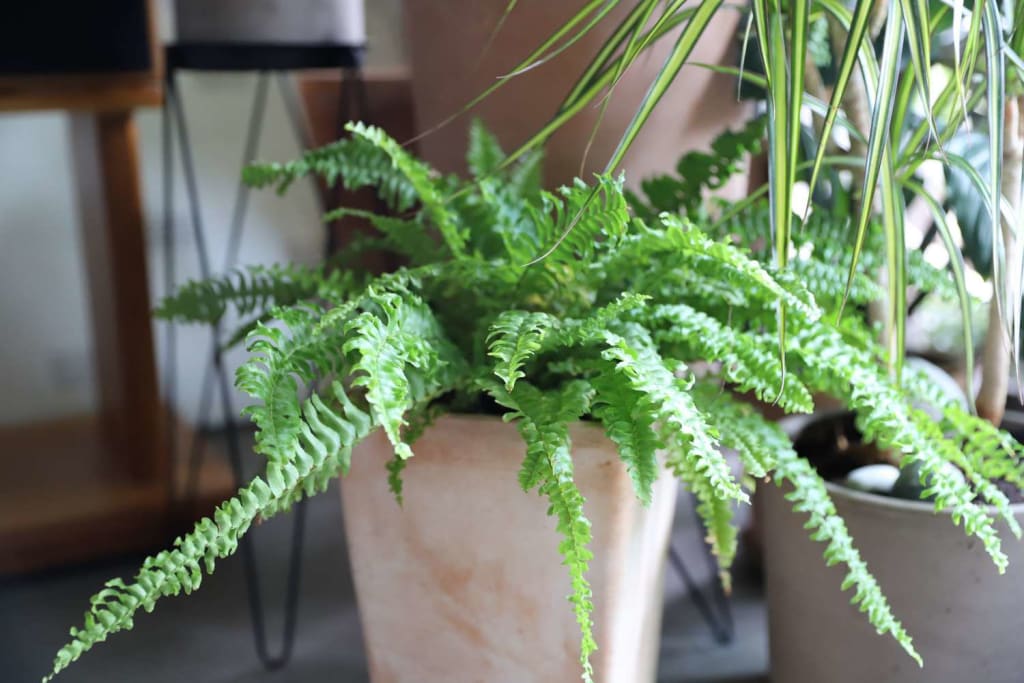
The Secret to Growing Healthy and Lush Ferns: A Comprehensive Guide
Ferns are some of the most graceful and captivating plants that can add a touch of lush greenery and elegance to any indoor or outdoor space. Their feathery fronds and unique reproductive patterns have fascinated plant enthusiasts for centuries. However, growing ferns successfully requires a proper understanding of their specific needs and preferences. In this comprehensive guide, we will explore the secret to growing healthy and lush ferns, from selecting the right varieties to providing optimal care and maintenance.
Understanding Ferns
Before delving into the secrets of successful fern cultivation, it's essential to understand the basic characteristics of these ancient plants. Ferns belong to the Pteridophyta family and reproduce via spores, unlike flowering plants that produce seeds. They prefer moist and shaded environments and are commonly found in forests, near water bodies, and in tropical regions. Over 10,000 species of ferns exist, each with unique growth habits and requirements.
Choosing the Right Fern Varieties
Selecting the appropriate fern variety is the first step towards successful cultivation. Some popular fern species for indoor and outdoor growth include the Boston Fern (Nephrolepis exaltata), Maidenhair Fern (Adiantum spp.), Bird's Nest Fern (Asplenium nidus), and Staghorn Fern (Platycerium spp.). Research the specific needs of each variety, considering factors such as size, light requirements, and environmental conditions.
Providing the Ideal Light Conditions
One of the key secrets to growing healthy ferns is providing them with the right amount of light. Most ferns thrive in indirect or filtered light, as direct sunlight can scorch their delicate fronds. Place indoor ferns near windows with sheer curtains or in rooms with bright, indirect light. For outdoor ferns, consider providing dappled shade or morning sunlight.
Understanding Moisture Requirements
Consistent moisture is paramount for ferns' health, as they have high water requirements. However, overwatering can be detrimental, leading to root rot and other issues. The secret lies in finding a balance. Water your ferns when the top inch of the soil feels slightly dry, and use a well-draining potting mix to prevent waterlogging. During warmer months, consider misting the fronds to enhance humidity levels.
Maintaining Optimal Humidity
Ferns naturally grow in humid environments, so replicating these conditions indoors can significantly contribute to their well-being. If you live in a dry climate or your indoor space lacks humidity, try placing a tray filled with water and pebbles beneath the fern pots to create a microclimate. Alternatively, use a humidifier to maintain the required moisture levels.
Choosing the Right Pot and Soil
Selecting the appropriate pot and soil is crucial for providing a conducive environment for ferns. Opt for pots with drainage holes to prevent waterlogging and use a well-draining potting mix comprising peat moss, perlite, and sand. Avoid using regular garden soil, as it tends to retain too much water and may suffocate the fern's roots.
Temperature and Air Circulation
Ferns generally prefer moderate temperatures, ranging from 60°F to 75°F (15°C to 24°C). Sudden fluctuations or extreme temperatures can stress the plants. Ensure proper air circulation, as stagnant air can lead to fungal diseases. Gentle air movement, such as from a fan set on low, can benefit the ferns without causing excessive drying.
Fertilizing Ferns
Fertilizing ferns is essential to provide them with the nutrients they need to grow vigorously. Use a balanced liquid fertilizer diluted to half strength and apply it during the growing season (spring and summer). Avoid over-fertilizing, as it can lead to salt buildup and harm the fern's delicate roots.
Pruning and Cleaning
Regular pruning is essential to keep ferns looking tidy and healthy. Remove any yellow or damaged fronds, and trim back excessively long ones to encourage new growth. Clean the leaves gently with a damp cloth to remove dust and debris, which can hinder the plant's ability to photosynthesize effectively.
Propagation Techniques
Ferns can be propagated through spores, division, or plantlets, depending on the species. For spore propagation, collect mature spores and sow them on a moist growing medium. Division involves separating the plant into smaller sections and replanting them, while some ferns produce plantlets on their fronds that can be potted individually.
Conclusion
Growing healthy and lush ferns can be a rewarding experience with the right knowledge and care. Understanding the specific requirements of your chosen fern variety, providing the ideal light, moisture, and humidity conditions, and maintaining proper temperature and air circulation are key factors in successfully cultivating these captivating plants. By following the secrets outlined in this comprehensive guide, you can create a thriving fern-filled oasis in your home or garden, bringing nature's elegance and charm into your life.
About the Creator
Kavya Organic Garden
Passionate about home gardening, plant care, growth, and maintenance. Join me on this exciting journey of organic practices and sustainable gardening! 🌱
Keep reading
More stories from Kavya Organic Garden and writers in Lifehack and other communities.
Herb Gardening Indoors_ Aromatic and Flavorful Varieties
Herb Gardening Indoors: Aromatic and Flavorful Varieties Herb gardening is a delightful and rewarding activity that allows you to grow your own flavorful and aromatic plants right inside your home. Whether you have limited outdoor space, live in a climate with harsh winters, or simply want to enjoy fresh herbs year-round, indoor herb gardening is a perfect solution. In this comprehensive guide, we will explore various aromatic and flavorful herb varieties that thrive indoors, along with essential tips for successful cultivation.
By Kavya Organic Garden2 years ago in Lifehack
The Calm Within the Chaos: How Grounding Yourself Can Change Your Life
I know what it feels like to wake up already overwhelmed, as if the day is asking more from you than you have to give. Your phone lights up, your thoughts speed up, and your body tightens before anything has actually gone wrong.
By Anie the Candid Writer Abroad6 days ago in Lifehack
Slow Thinking: Power in a Fast World
In an era of instant notifications and rapid decisions, slow thinking emerges as a vital counterforce. This deliberate approach, popularized by thinkers like Daniel Kahneman in Thinking, Fast and Slow, contrasts reactive impulses with measured reflection, yielding superior outcomes in work, life, and creativity. Platforms like DeContrabas quietly embody this philosophy, offering minimalist spaces where ideas can breathe and deepen.
By Tracee Jones4 days ago in Lifehack
Affection and Healing for Yourself
During the night of the last quarter moon, I gathered my ritual supplies. I carefully handled the chunk of black tourmaline that would protect me from your overall negative and narcissistic energy. I carefully walked the house with my stick of selenite in hand, asking the universe to cleanse our working space.
By Alisha Wilkins ✒️🦋🖋️6 days ago in Fiction




Comments