
The Science of Thinning Hair: Dermatologist-Approved Solutions for Hair Loss
Read the article for a gift at the end!

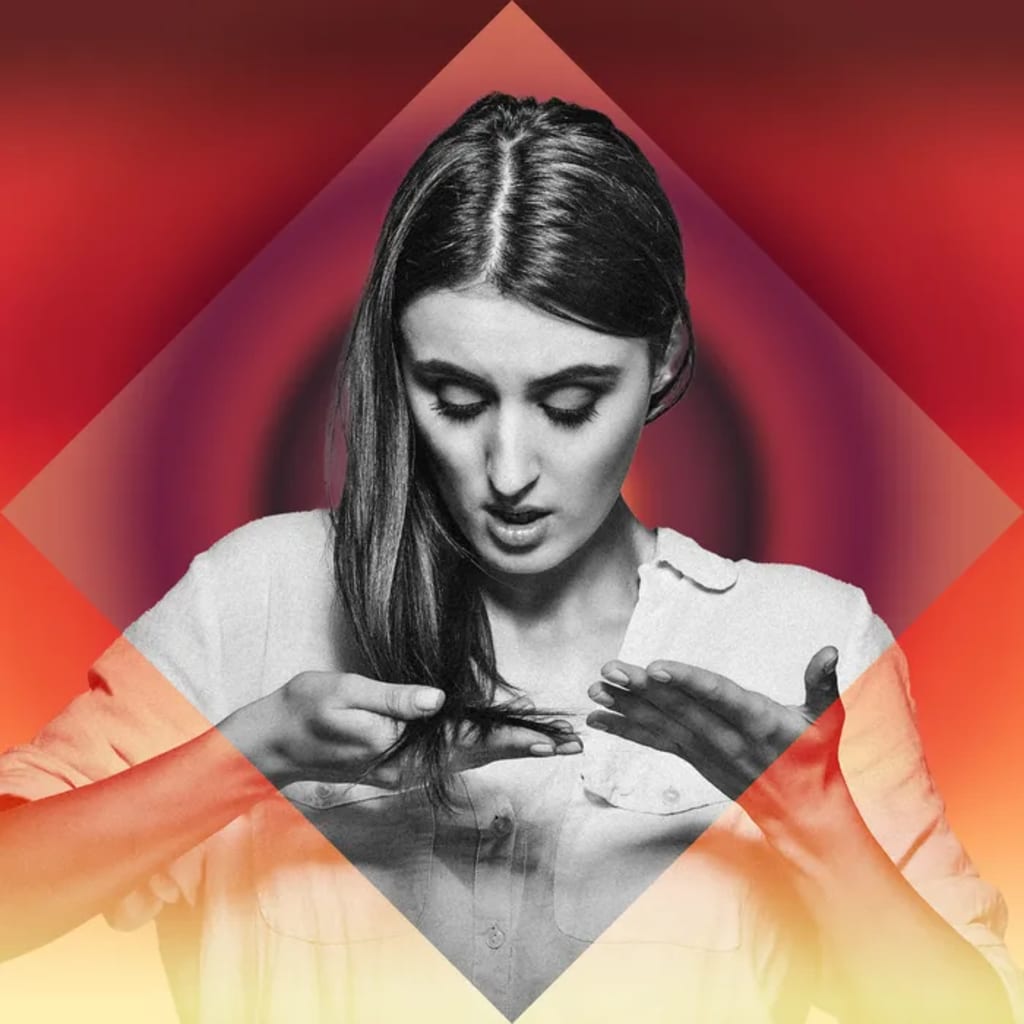
Dear readers, I’ve been inundated with heartfelt letters from perimenopausal and menopausal women who share a common struggle — thinning hair. This predicament affects countless women, turning even the simplest of bad hair days into a distressing ordeal that feels like a depletion of beauty.
Our hair’s condition and style serve as unmistakable indicators of our health and sexual allure. Those long, thick, flowing locks of our youth — reserved for the fortunate few — convey an inner vitality. However, as we witness our part broadening and a veiled glimpse of our scalp replacing our once luscious mane, an undeniable sinking feeling in our gut reminds us that we have matured, regardless of our age.
To ensure you don’t feel alone, let me share a staggering fact: around half of postmenopausal women experience noticeable thinning hair on their scalps. After the age of 50, an equal number of men and women endure this dilemma. While shedding hair daily is natural, the situation becomes significant when thinning extends beyond the hairline or when the part starts to widen.
First and foremost, consult a medical professional. Dr. Hadley King, a distinguished board-certified dermatologist, possesses a wealth of knowledge about hair loss and its management. “Hair loss can stem from various causes,” she explains, “but genetics and hormones play a significant role in the most common form of thinning.” Termed androgenetic alopecia, this condition plagues women, and let’s be honest, the name alone is enough to make us cringe. Originating from the Greek word for fox, alopex, it draws its name from fox mange — a condition characterized by fur loss in foxes. Personally, I would have preferred a gentler term like “androgenetic wispiness” or perhaps “foxy androgenesis.” Nevertheless, this form of thinning hair is primarily determined by genetics, with its only symptom being the gradual loss of hair. Since hair follicles are sensitive to hormonal changes, such as the decline of estrogen during perimenopause and menopause, they respond accordingly. Fortunately, this sensitivity to hormones allows for the effectiveness of prescription medications such as certain oral contraceptives and the androgen-blocking drug spironolactone, which have shown great potential in thickening scalp hair. Additionally, Dr. King highlights the benefits of prescription drugs like finasteride and oral minoxidil for select women.
If thinning hair is the first thing that catches your eye in the mirror, I assume you’ve already taken the commendable step of consulting a medical professional. Well done! Your physician can prescribe suitable medications and even recommend adjunctive treatments like platelet-rich plasma (PRP) injections if necessary.
For those of us who have noticed the unwelcome unveiling of our scalp along the hairline and crown, Dr. King offers a word of caution. Beware of over-the-counter products that make grand promises without scientific evidence to back them up. In the vast realm of the beauty industry, it is crucial to rely on scientific data to discern genuine solutions from marketing ploys — a challenging task indeed.
Now, let’s delve into the world of effective over-the-counter options that may restore your thinning hair.
Topical Treatments: Unveiling the Power of Minoxidil
Among topical options, Minoxidil stands as the most proven solution for hair growth. Dr. King describes it as “a potassium-channel opener that hyperpolarizes cell membranes.” In simpler terms, it widens blood vessels and opens potassium channels, allowing a surge of oxygen, blood, and nutrients to reach the hair follicles. As Martha Stewart wisely says, it’s undeniably a good thing.
Intriguingly, a 2015 study compared rosemary oil with Minoxidil, and both groups witnessed a significant increase in hair growth after six months. Dr. King cites various studies involving mice and men that demonstrate the potential benefits of massaging different oils — such as lavender, peppermint, and pumpkin-seed — into the scalp to reduce hair loss. However, she emphasizes the need for more extensive and substantial studies to determine their effectiveness in promoting hair growth. It’s worth noting that Dr. King advises against using castor and coconut oils, as they may enhance luster and reduce breakage but lack evidence for promoting growth.
Effective Supplements: Unleashing the Power Within
Statistically significant results have been observed in studies involving supplements like Nutrafol and Viviscal, according to Dr. King. These supplements harness a combination of ingredients with anti-inflammatory, stress-adaptogenic, antioxidant, and dihydrotestosterone-inhibiting properties. The theory behind these formulations is to address various causes of hair loss. Notable phyto-compounds in these supplements include curcumin (with its anti-inflammatory properties), tocotrienol (offering antioxidant benefits), saw palmetto (an inhibitor of dihydrotestosterone), ashwagandha (an adaptogen that helps combat stress), and cortisol (which aids in extending the growth phase of hair follicles). Dr. King commends Nutrafol for publishing a study in the Journal of Drugs in Dermatology, substantiating its claims. Viviscal, on the other hand, relies on marine-based collagen, which has shown efficacy in clinical trials.
If you choose to embrace these supplements, bear in mind that data indicates women who used them for six months experienced increased hair growth, density, and quality. Therefore, be patient and allow sufficient time for the hair growth cycle to work its magic before assessing the results.
Mindful Hair Styling: Nurturing Your Tresses
Traction alopecia is a form of hair loss caused by styles that excessively strain the hair follicles, resulting in damage and eventual hair loss with scarring. Therefore, it’s crucial to avoid excessively tight braids and ponytails that exert unnecessary tension.
Here are some additional styling tips: Opt for sulfate-free shampoos and glycerin-based styling products. Moisturize your hair with conditioners, creams, and oils to minimize the risk of damage and breakage. Steer clear of products containing drying ingredients or alcohol, as well as excessive heat or chemical styling. Embrace air-drying your hair after every few shampoos, or better yet, adopt a low-maintenance style that requires minimal attention. When styling, avoid overloading thinning hair with products that weigh it down. Remember, attempting to compensate for volume can result in wispy, cotton-candy-like hair. Instead, opt for sleek styles that exude elegance. And don’t be afraid to part your hair unevenly, as an off-center part creates the illusion of fuller hair. Volumizing shampoos and conditioners can also assist in mimicking fullness, as can coloring your hair, which adds thickness to individual strands.
Stress Management: Unlocking the Key to Hair Health
If you’ve experienced hair loss after a significant life event, such as the loss of a loved one, unemployment, high fever, childbirth, alterations in hormonal medication, or surgery, please be kind to yourself. This could be a case of telogen effluvium, characterized by an excessive shedding of hair beyond the norm. Let’s face it — what else would you expect after enduring such challenging circumstances? The good news is that this type of hair loss is reversible, and your hair will eventually regrow. Although it may test your patience, rest assured that your locks will return to their former glory.
Nourishment from Within: A Well-Rounded Diet
Dr. King emphasizes the importance of consuming sufficient protein and maintaining a well-rounded diet. For me personally, this entails indulging in a diverse array of colorful foods and savoring plenty of sardines. Once a hair strand emerges from your scalp, it becomes physiologically dead, rendering it unable to be nourished. However, it can be preserved through proper care and nourishment.
Ladies, I must take a pause here — for now. I hope you find this information invaluable. Let us all extend a resounding round of applause to Dr. King for her exhaustive insights. Thank you, Doctor, for your remarkable contribution!
As always, I remain at your service.
GET YOUR FREE E-BOOK ON HAIR LOSS NOW: CLICK HERE
About the Creator
Keep reading
More stories from Gashi Halit and writers in Lifehack and other communities.
From Hair Loss Despair to Astonishment: My Needle-Based Hair Treatments Unveiled Unbelievable Results
One fateful morning, I woke up to a harsh reality — my hairline had receded by a startling 2 centimeters overnight. It seemed as if my luscious, curly tresses had vanished into thin air. How could I have been so oblivious to the gradual loss? The sudden revelation left me self-conscious and apprehensive. Would everyone else notice the absence of my once abundant locks?
By Gashi Halit3 years ago in Lifehack
Transforming Patient Care: Healthcare Mobile App Trends in Florida
I reckon if you’d told me five years ago that my phone would be better at spotting a heart murmur than my actual GP, I’d have called you a few choice names. Yet, here we are in 2026, and Florida’s healthcare scene is looking more like a sci-fi set than a waiting room. It’s hella weird but strangely brilliant.
By Sherry Walker4 days ago in Lifehack
Choosing the Right Moving Company in Edmonds, WA
Relocating is rarely just about transporting boxes from one place to another. In a city like Edmonds, Washington, where neighborhoods vary widely in layout, elevation, and access, the choice of a moving company can significantly influence how smooth the entire process feels. Whether you’re moving into Edmonds for the first time or relocating within the city, understanding what sets local movers apart is an essential step.
By House Doctora day ago in Lifehack
The Devil's Triangle
The sails ruffled in the breeze as we cruised along. The Sea Breeze was a mid-size catamaran that sailed out of Royal Naval Dockyard in Bermuda. We had booked this trip weeks in advance and were now looking at our Captain, Spike and two boat hands. Paddy and Wilson seemed like nice guys, joking around with the passengers and telling us some stories about Bermuda that only locals would know. Their island accents sounded almost British but they were pleasant to listen to.
By Barbara Gode Wiles4 days ago in Fiction


Comments
There are no comments for this story
Be the first to respond and start the conversation.