
The Science of Sleep: How to Get the Best Sleep of Your Life
Unlocking the Secrets to Better Health and Wellbeing through the Science of Sleep

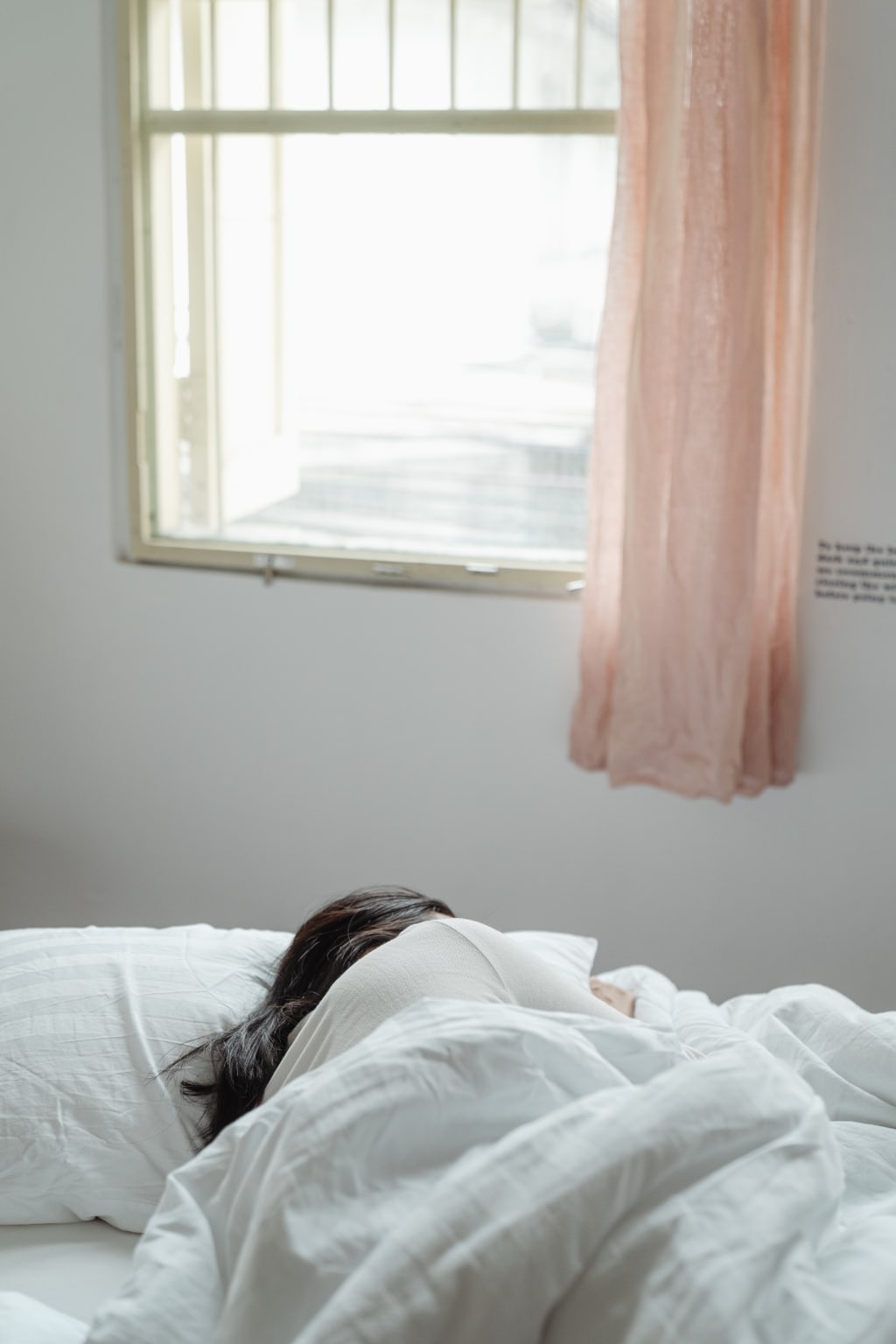
Although it is frequently undervalued and disregarded, sleep is essential for our general health and wellness. A good night's sleep is crucial for both physical and mental health because it helps us process emotions and thoughts while also enabling our bodies to heal and recharge. However, it can be difficult to get the suggested amount of sleep each night due to busy schedules, stress, and technology.
In this article, we'll dive into the science of sleep, exploring the different stages of sleep and the importance of REM and non-REM sleep. We'll also examine the impact of sleep on our overall health, including its role in cognitive function, immune system function, and chronic disease prevention. We'll then provide practical tips and strategies for improving the quality and quantity of your sleep, from establishing a regular sleep schedule to creating a sleep-conducive environment.
We'll also go over common sleep disorders like insomnia, sleep apnea, and restless legs syndrome, as well as how to get expert assistance if you think you might have one. You will know more about the science of sleep and how getting enough sleep can affect your physical and mental health by the time you finish reading this piece. Additionally, you'll be equipped with the skills and information required to change your sleeping patterns and have the best slumber of your life. So let's investigate the science of slumber and discover how to get a better night's sleep.
The Importance of Sleep
Sleep is essential for our overall health and wellbeing. During sleep, our bodies repair and regenerate, and our brains consolidate memories and process emotions. Lack of sleep can have serious consequences, including impaired cognitive function, increased risk of accidents and injuries, and a weakened immune system. Getting enough sleep is crucial for our physical and mental health.
The Science of Sleep
Sleep is a complex process that involves multiple stages and cycles. There are two main types of sleep: rapid eye movement (REM) sleep and non-REM sleep. During REM sleep, our brains are active, and we experience vivid dreams. Non-REM sleep is divided into three stages, with each stage becoming progressively deeper. The cycles of REM and non-REM sleep repeat throughout the night, with each cycle lasting approximately 90 minutes.
Tips for Better Sleep
There are many things we can do to improve the quality and quantity of our sleep. Some tips include:
Establish a regular sleep schedule: Going to bed and waking up at the same time every day can help regulate our sleep-wake cycle.
Create a sleep-conducive environment: Keep your bedroom cool, dark, and quiet to promote better sleep.
Limit exposure to screens: The blue light emitted by electronic devices can interfere with our sleep, so it's best to avoid using screens before bedtime.
Practice relaxation techniques: Techniques such as deep breathing, meditation, or yoga can help calm the mind and promote relaxation.
Avoid caffeine, nicotine, and alcohol: These substances can interfere with sleep, so it's best to avoid them, especially in the evening.
Sleep Disorders
Despite our best efforts, some people may still struggle with getting enough quality sleep due to sleep disorders. Sleep disorders can range from mild to severe and can have a significant impact on our physical and mental health. Some common sleep disorders include insomnia, sleep apnea, restless leg syndrome, and narcolepsy. If you suspect that you may have a sleep disorder, it's important to consult with a healthcare professional for proper diagnosis and treatment.
In conclusion, sleep is an essential component of our overall health and wellbeing, yet many of us struggle to get enough quality sleep. Understanding the science of sleep and implementing healthy sleep habits can help promote better sleep and improve our physical and mental health. By creating a sleep-conducive environment, practicing relaxation techniques, and avoiding substances that can interfere with sleep, we can optimize our sleep and wake up feeling refreshed and energized. If you continue to struggle with sleep, it's important to seek professional help to address any underlying sleep disorders. With the right tools and knowledge, you can get the best sleep of your life and enjoy the benefits of restful, restorative sleep.
About the Creator
Uluc Dogan
Experienced writer and storyteller with a passion for research and creative expression 📝 | Specializing in health and sport | Follow for engaging and informative articles on health, sport and more | Contact me for custom content creation.
Keep reading
More stories from Uluc Dogan and writers in Lifehack and other communities.
Travel Essentials You Can't Leave Home Without
Traveling can be one of the most exciting and enjoyable experiences of our lives. It's an opportunity to explore new places, meet new people, and make unforgettable memories. However, traveling can also be stressful if you're not properly prepared. There are a few essential items that every traveler should have in their bag to ensure a smooth and comfortable trip. Here are some travel essentials you can't leave home without.
By Uluc Dogan3 years ago in Lifehack
The Check-In Revolution: Moving From Constant Tracking to Scheduled Family Updates
There’s a low-grade hum of anxiety that comes with modern parenting. You can, at any moment, open an app and see exactly where your child is. So you do. Again. And again. What starts as a tool for peace of mind can quietly become a source of obsession for you and a point of resentment for them.
By Olivia Martinez6 days ago in Lifehack




Comments
There are no comments for this story
Be the first to respond and start the conversation.