
The Safest Cutting Board Materials: A Comprehensive Guide
Everything You Need to Know About Choosing the Most Hygienic and Durable Cutting Boards for Your Kitchen

Cutting boards are everyday essentials in every kitchen. From chopping vegetables to handling raw meat, choosing a non toxic cutting board directly impacts hygiene, knife care, and overall food safety during meal preparation.
By selecting the safest cutting board materials, you reduce cross-contamination risks, protect your family’s health, and simplify cleaning. Durable, hygienic boards also make cooking easier, safer, and far less stressful.
Why the Safest Cutting Board Materials Matter
Every meal starts on a cutting board. The surface you choose—whether a traditional board or a modern antibacterial cutting board—determines whether bacteria will linger, how sharp your knives stay, and how long the board lasts.
By exploring the safest cutting board material, you can make smart choices that balance hygiene, durability, and convenience.
Some boards encourage bacterial growth or dull knives quickly. Others are designed to resist damage, clean easily, and keep food safe. The safest cutting board materials are those that maintain performance while reducing risks in your kitchen.
The Safest Cutting Board Materials
Titanium Cutting Boards
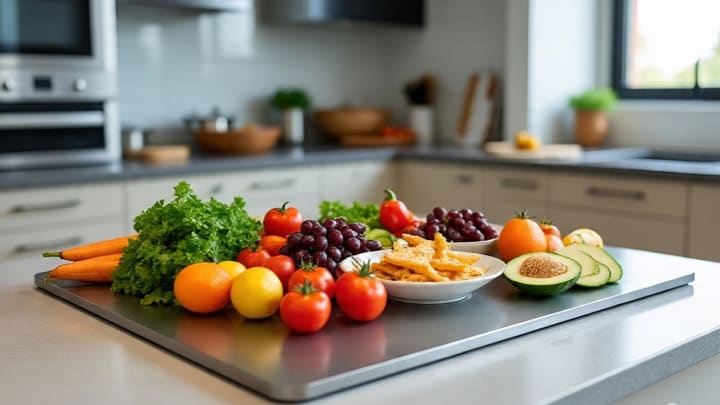
Titanium is one of the safest cutting board materials available today. It is non-porous, antibacterial, and resistant to rust, stains, and odors. Unlike wood or plastic, titanium does not warp, crack, or absorb food particles. This makes it incredibly hygienic for everyday cooking.
Titanium boards are also lightweight yet durable, offering excellent longevity. They are easy to clean, safe for all food types, and provide confidence that bacteria won’t linger after use. For cooks who value health and durability, titanium is among the safest materials you can buy.
Stainless Steel Cutting Boards

Stainless steel is a modern innovation ideal for professional and home kitchens. Fully non-porous, corrosion-resistant, and easy to sanitize, its surface prevents bacteria, mold, and odors, ensuring long-term safety.
These cutting boards resist scratches and stains, maintaining a clean look for years. While firmer on knives, they provide unmatched durability. With the combination of hygiene, strength, and practicality, stainless steel stands out as a top choice for safe and reliable kitchen use.
Wood Cutting Boards
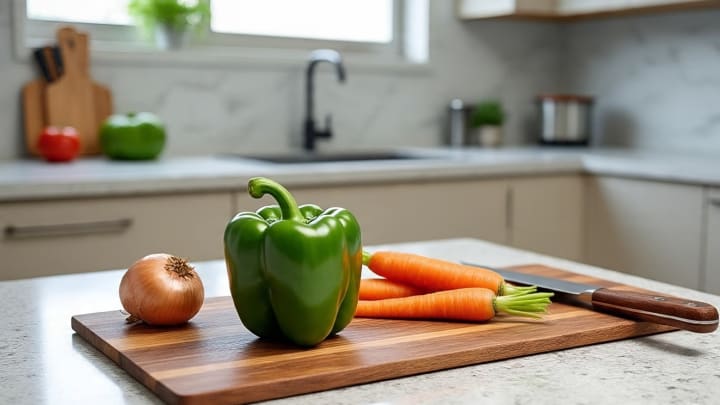
Wood has been a trusted choice for generations. Hardwoods like maple, walnut, and beech are dense, naturally resistant to bacteria, and offer a durable surface for food preparation. Their fibers absorb and release moisture, making the board somewhat self-healing.
End-grain construction, built from small blocks, allows knives to slide between fibers, helping blades stay sharp. Wood does require maintenance—regular oiling prevents cracking, and soaking should be avoided. With proper care, it remains a safe and reliable kitchen surface.
Bamboo Cutting Boards

Bamboo is a fast-growing, eco-friendly material often used as a wood alternative. Lightweight and naturally antibacterial, bamboo is considered one of the safest cutting board materials by many households. It’s also highly renewable, appealing to eco-conscious cooks.
Bamboo boards resist knife marks well but are harder than most woods, which can dull blades faster. Since they are glued together, adhesives matter for safety. Always look for food-safe, formaldehyde-free adhesives.
With proper care, bamboo ranks among the safest cutting board materials for everyday use.
Plastic Cutting Boards (HDPE)

High-density polyethylene (HDPE) is one of the most common cutting board plastics. Affordable, lightweight, and dishwasher safe, it’s widely used in professional kitchens. Non-porous and easy to sanitize, it’s often included in lists of the safest cutting board materials.
Plastic boards come in multiple colors to help avoid cross-contamination—one for meat, another for vegetables.
Over time, grooves may form and trap bacteria, so replacement is necessary. Still, with proper care, plastic remains one of the safest cutting board materials, especially for busy families who rely on dishwashers.
Glass Cutting Boards

Glass cutting boards are sleek, modern, and easy to clean. Completely non-porous, they prevent bacteria from seeping in, making them hygienically one of the safest cutting board materials.
The main drawback is knife care. Glass is extremely hard and can quickly dull blades. It’s also slippery and noisy during use. While hygienically safe, glass cutting boards are not practical for everyday cooking. They show that not all of the safest cutting board materials are ideal for long-term kitchen performance.
Stone Cutting Boards

Stone boards, like marble or granite, share traits with glass. They are non-porous, resistant to bacteria, and long-lasting. From a hygiene perspective, stone could be considered among the safest cutting board materials.
However, stone is harsh on knives, causing them to dull quickly. It is also heavy and harder to handle in daily cooking. While great for pastries or presentation, stone cutting boards are not the most practical choice for routine use.
Rubber Cutting Boards

Rubber cutting boards are gaining popularity with professional chefs. Made from dense, high-quality rubber, they are gentle on knives while offering excellent grip. This combination makes them one of the safest cutting board materials for both hygiene and knife care.
They are dishwasher safe, resist deep grooves, and require minimal maintenance.
The only downside is cost—rubber boards are more expensive than wood or plastic. Still, many cooks consider them worth the investment for safety and performance.
Which Cutting Board Material Is the Safest Overall?
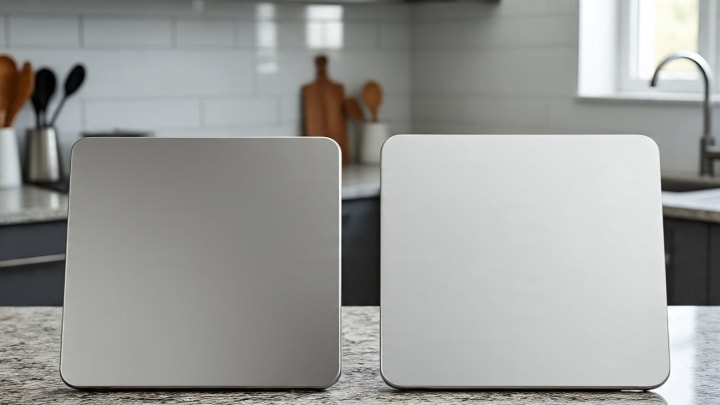
While many surfaces qualify as the safest cutting board materials, titanium and stainless steel stand out as the top choices. Both are completely non-porous, antibacterial, and resistant to stains, odors, and rust. Unlike wood, bamboo, or plastic, they do not require heavy maintenance or frequent replacement.
Titanium is lightweight yet incredibly durable, making it perfect for everyday use, while stainless steel delivers unmatched strength and professional-grade hygiene. Together, these two materials represent the best balance of safety, durability, and long-term value for modern kitchens.
ChopChop USA: Raising the Standard of Cutting Boards
If you’re searching for the ultimate cutting boards made with the safest cutting board materials, ChopChop USA delivers premium options built for safety, hygiene, and durability.
Titanium Cutting Board

ChopChop USA Titanium Cutting Board is perfect for cooks who value hygiene, durability, and long-term reliability.
- Made from 100% pure titanium, ensuring non-porous, rust-free, and antibacterial performance.
- Resistant to stains, odors, and moisture
- Lightweight yet extremely durable for daily cooking.
- Safe and toxin-free, protecting your food from chemicals.
- Easy to clean, requiring minimal upkeep compared to wood or bamboo.
Double-Sided Titanium Cutting Board
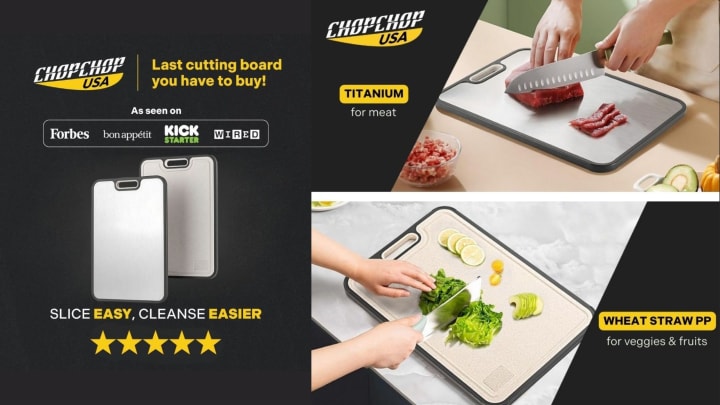
The ChopChop USA Double-Sided Titanium Cutting Board offers two hygienic surfaces in one, making it a premium choice for health-focused households.
- Double-sided design for preparing different foods without cross-contamination.
- Titanium Side: Corrosion-resistant, non-reactive, ideal for raw meats or heavy chopping without dulling knives.
- Wheat Fiber Side: Lightweight, biodegradable, perfect for fruits, vegetables, and bread.
- Non-porous titanium surface resists bacteria, rust, and stains.
- Extremely durable construction built for heavy use.
- Sleek and modern appearance for any kitchen style.
- Practical solution combining safety and convenience.
Stainless Steel Cutting Board

The ChopChop USA Stainless Steel Cutting Board delivers reliability, hygiene, and modern style in one smart design.
- Made from premium stainless steel, resistant to rust and scratches.
- Non-porous surface prevents bacteria buildup.
- Stain- and odor-resistant for lasting freshness.
- Dishwasher safe for easy cleaning.
- Built to outperform traditional plastic and bamboo boards.
Double Stainless Steel Cutting Board

The ChopChop USA Double Stainless Steel Cutting Board combines versatility with professional-grade safety, offering unmatched kitchen performance.
- Dual-sided surface for safe preparation of multiple food types.
- Rice Husk Fiber Side: Gentle on knives, preserving blade sharpness.
- Stainless Steel Side: Antibacterial, odor-free, and heavy-duty.
- Corrosion-resistant stainless steel ensures long-lasting performance.
- Smooth, easy-to-clean design keeps your kitchen sanitary.
- Excellent protection against cross-contamination.
- Perfect for households that prepare a wide variety of meals.
ChopChop USA’s collection redefines cooking with the safest cutting board materials. With titanium and stainless steel boards—both single and double-sided—they bring together style, safety, and durability for every kitchen.
Conclusion
Choosing the safest cutting board materials is one of the most important decisions for your kitchen. Wood, bamboo, plastic, rubber, glass, and stone each have unique strengths. But for ultimate safety, hygiene, and durability, titanium and stainless steel stand above the rest.
ChopChop USA elevates these materials with premium single and double-sided designs. With their boards, you can cook with confidence knowing your kitchen is equipped with the safest cutting board materials available today.
FAQs
What is the safest cutting board material for kitchens?
Titanium and stainless steel are highly hygienic due to their non-porous, antibacterial surfaces. Wood and bamboo are also safe options when properly maintained and regularly cleaned.
Are wooden cutting boards hygienic?
Yes, hardwood boards like maple or walnut remain safe when cared for. Regular oiling and proper cleaning help prevent bacteria buildup and keep the surface durable.
Do plastic cutting boards trap bacteria?
Plastic boards can develop grooves over time where bacteria may hide. Replacing or properly maintaining them ensures a clean, safe surface for everyday meal prep.
Is glass a safe cutting board material?
Glass boards are completely non-porous and easy to clean, but they dull knives quickly. While hygienic, they are less practical for regular cooking tasks.
Why choose titanium or stainless steel boards?
Titanium and stainless steel boards are durable, non-porous, and easy to sanitize. They’re considered the safest materials for modern kitchens, offering unmatched hygiene and longevity.
About the Creator
Keep reading
More stories from Olivia Kim and writers in Lifehack and other communities.
The Best Cutting Board for Meat: A Complete Buyer’s Guide
When preparing raw meat, choosing the best cutting board for meat is not just about convenience—it’s about hygiene and safety. A non toxic cutting board prevents bacteria from spreading and keeps meal preparation efficient.
By Olivia Kim6 months ago in Lifehack
Industrial Air Pollution Control: Why Clean Air is the Future of Manufacturing
Introduction Clean air isn’t just a matter of comfort in industrial settings—it’s a necessity. As industries expand and manufacturing processes become more advanced, the byproducts of production are having a significant impact on the environment and the health of workers. Factories, plants, and warehouses emit pollutants ranging from toxic gases to fine particulate matter, creating a hazardous atmosphere both indoors and outdoors. This blog explores how air pollution control has evolved into a core pillar of sustainable industrial growth, how regulations are shaping corporate responsibility, and why businesses must prioritise cleaner air strategies to remain competitive, ethical, and future-ready.
By Hafsa Usmania day ago in Lifehack
EMR Billing Solutions: A Complete Guide for Modern Healthcare Practices
Healthcare providers today face mounting administrative pressures alongside rising operational costs. Accurate documentation, timely claim submission, and regulatory compliance are critical for financial stability. EMR billing solutions offer an integrated approach that connects clinical records with revenue cycle management, improving efficiency and reimbursement outcomes.
By Tracee Jonesa day ago in Lifehack


Comments
There are no comments for this story
Be the first to respond and start the conversation.