
The Role of Nutrition in Mental Health: How Diet Influences Mood and Well-being
Your diet can influence your mood and more
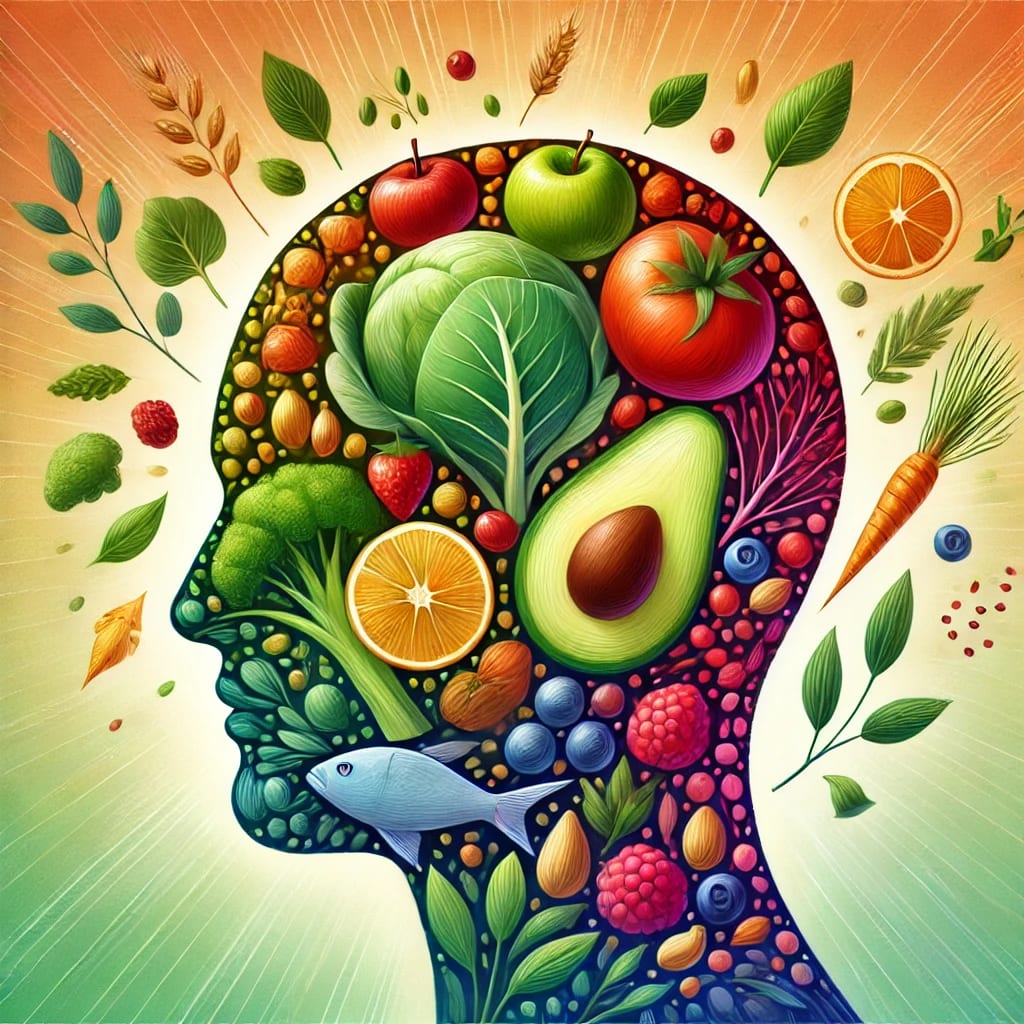
In recent years, the connection between nutrition and mental health has garnered significant attention. Emerging research suggests that what we eat profoundly affects our mood, cognitive function, and overall mental well-being. This article delves into the intricate relationship between diet and mental health, highlighting key nutrients, dietary patterns, and practical steps to enhance mental well-being through nutrition.
Understanding the Gut-Brain Connection
The gut-brain axis is a bidirectional communication system linking the gastrointestinal tract and the brain. The gut houses trillions of microorganisms, collectively known as the gut microbiota, which play a crucial role in producing neurotransmitters like serotonin and dopamine—chemicals that regulate mood and emotions. A balanced diet supports a healthy gut microbiome, which in turn positively influences mental health.
Key Nutrients Impacting Mental Health
1. Omega-3 Fatty Acids
Found in fatty fish (such as salmon and mackerel), flaxseeds, and walnuts, omega-3 fatty acids are essential for brain health. Studies have shown that adequate intake of omega-3s is associated with a reduced risk of depression and cognitive decline.
2. B Vitamins
Vitamins B6, B12, and folate are vital for neurotransmitter production and function. Deficiencies in these vitamins have been linked to increased risk of depression and mood disorders. Sources include leafy greens, legumes, eggs, and fortified cereals.
3. Vitamin D
Known as the “sunshine vitamin,” vitamin D is crucial for brain function. Low levels of vitamin D have been associated with mood disorders and depression. Sunlight exposure, fatty fish, and fortified dairy products are primary sources.
4. Antioxidants
Vitamins C and E, along with other antioxidants, combat oxidative stress, which can damage brain cells. A diet rich in fruits, vegetables, nuts, and seeds provides these protective compounds.
Dietary Patterns and Mental Health
Beyond individual nutrients, overall dietary patterns significantly influence mental health:
• Mediterranean Diet
Characterized by high consumption of fruits, vegetables, whole grains, legumes, nuts, and olive oil, the Mediterranean diet has been associated with a lower risk of depression and cognitive decline. Its anti-inflammatory and antioxidant properties support brain health.
• Western Diet
High in processed foods, refined sugars, and saturated fats, the Western diet has been linked to increased risk of depression and anxiety. Such dietary patterns may promote inflammation and negatively affect the gut microbiome.
Practical Steps to Enhance Mental Health Through Nutrition
1. Incorporate Whole Foods
Emphasize whole, unprocessed foods in your diet. Fruits, vegetables, whole grains, lean proteins, and healthy fats provide essential nutrients that support brain function.
2. Limit Processed Foods and Sugars
Reduce intake of processed foods, sugary snacks, and beverages. High sugar consumption can lead to blood sugar fluctuations, affecting mood and energy levels.
3. Stay Hydrated
Adequate water intake is essential for cognitive function and mood regulation. Aim for at least eight glasses of water per day, adjusting based on activity level and climate.
4. Consider Probiotics
Probiotic-rich foods like yogurt, kefir, sauerkraut, and kimchi support a healthy gut microbiome, which is linked to improved mood and reduced anxiety.
5. Monitor Caffeine and Alcohol Intake
While moderate caffeine consumption can enhance alertness, excessive intake may lead to anxiety and sleep disturbances. Similarly, alcohol is a depressant and can negatively impact mood and sleep.
Conclusion
The intricate relationship between nutrition and mental health underscores the importance of a balanced diet for emotional and cognitive well-being. By making mindful dietary choices and prioritizing nutrient-rich foods, individuals can support their mental health and enhance overall quality of life.
For those who have had a traumatic brain injury, staying hydrated is especially important for cognitive health and wellbeing. Your brain actually gets rid of toxins while you sleep so it’s especially important to stay hydrated and get a restful night sleep. Quality of life is the goal.
About the Creator
Keep reading
More stories from Jordan Henner and writers in Lifehack and other communities.
The Impact of Mindfulness Apps on Mental Health: A Comprehensive Analysis
In today’s fast-paced world, stress and anxiety have become prevalent issues affecting individuals across various demographics. To combat these challenges, many are turning to mindfulness practices, with digital solutions like mindfulness apps gaining significant popularity. This article delves into the effectiveness of mindfulness apps on mental health, exploring their benefits, limitations, and the science behind their use.
By Jordan Hennerabout a year ago in Lifehack
How to Keep a Garage Warm in the Winter and Protect Valuable Tools
Cold garages create real damage. Tools break down faster, and finishes don't last. Winter doesn't have to put your garage out of action, but it definitely will if you let heat slip away and ignore moisture.
By Ryan Simonson4 days ago in Lifehack



Comments
There are no comments for this story
Be the first to respond and start the conversation.