
The Rise of the Smart Home: How IoT is Transforming Our Living Spaces
Unveiling the Future of Connected Living Spaces

The Emergence of Smart Homes: A Revolution in Modern Living Spaces
Smart homes have evolved from a far-off futuristic concept to an everyday reality, transforming the way we interact with our living spaces. The rapid growth of Internet of Things (IoT) technology has made smart homes more accessible and affordable than ever before. In this article, we will delve into the rise of smart homes, shedding light on how IoT is revolutionizing our living environments by ensuring energy efficiency, enhancing security, offering unparalleled convenience, and nurturing overall well-being.
IoT: The Driving Force Behind Energy-Efficient Smart Homes
One of the most notable advantages of IoT in smart homes lies in its capabilities for energy efficiency. By interconnecting various appliances and devices using IoT, homeowners can monitor and regulate their energy consumption in real-time. For example, intelligent thermostats can learn occupants' preferences, adjusting temperatures accordingly to minimize energy waste. Similarly, connected lighting systems can automatically switch off lights when rooms are unoccupied, further conserving energy. These IoT-powered systems also gather data that helps homeowners analyze energy usage patterns, empowering them to make informed decisions to optimize consumption. As a result, this heightened awareness leads to cost savings and promotes environmental sustainability.
Bolstering Security with IoT Technology
In addition to energy efficiency, IoT plays a vital role in fortifying the security of smart homes. Conventional security apparatuses, such as surveillance cameras and alarms, have been enhanced with IoT capabilities, allowing homeowners to remotely monitor their properties through smartphones or other devices. Moreover, IoT-enabled locks offer a keyless entry system, enabling users to grant temporary access to guests or service providers without jeopardizing permanent security codes. In case of any security breach, the smart system sends real-time alerts to homeowners, facilitating swift action, such as contacting law enforcement agencies. Thus, IoT not only improves security but also instills peace of mind.
IoT-Powered Convenience in Smart Homes
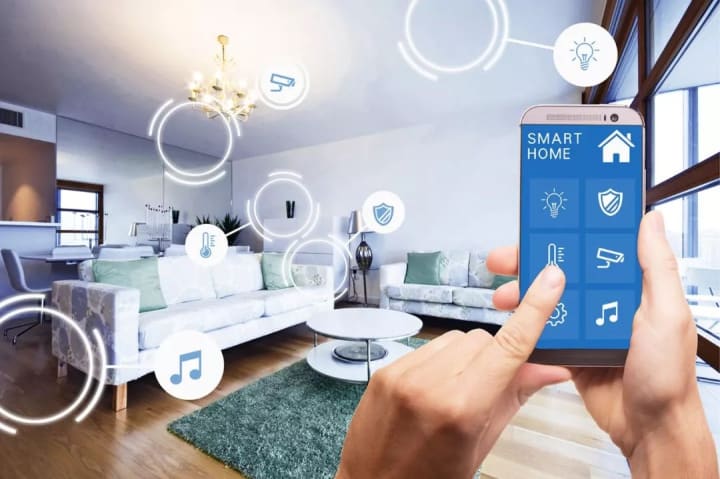
The advent of IoT has ushered in an era of unmatched convenience in smart homes. A multitude of interconnected devices and appliances can be managed through a single interface, such as a smartphone app or voice-activated virtual assistant. This centralized control allows homeowners to perform tasks like adjusting the thermostat, controlling lighting, and monitoring security cameras from anywhere across the globe. Furthermore, IoT technology enables automation; for instance, connected coffee makers can commence brewing coffee as soon as the morning alarm sounds. Likewise, smart washing machines can automatically reorder detergent when supplies dwindle. These conveniences not only save time but also streamline daily routines, enhancing overall quality of life.
Promoting Well-Being with IoT in Smart Homes
Lastly, IoT plays a crucial role in fostering well-being within smart homes by crafting more personalized, comfortable, and healthy living environments. For example, intelligent air purifiers equipped with sensors can detect pollutant levels and adapt their operation accordingly, ensuring optimal indoor air quality. Additionally, IoT-enabled sleep trackers can monitor sleep patterns and provide recommendations for improved sleep hygiene, leading to better rest and overall health. Furthermore, the integration of IoT with home entertainment systems allows users to create customized experiences, such as configuring preferred lighting and sound conditions for movie nights. By catering to individual preferences and needs, IoT significantly elevates the living experience.
In conclusion, the rise of smart homes, fueled by IoT technology, is transforming our living spaces in numerous ways. From energy efficiency and heightened security to unparalleled convenience and nurturing well-being, IoT has revolutionized how we interact with our homes. As technological advancements continue to inspire innovation in connected devices and systems, it is essential for homeowners to embrace this shift and harness the potential of IoT to create more sustainable, secure, and comfortable living spaces. The future of smart homes is promising, with endless possibilities as we strive to develop intelligent living environments that cater to our ever-evolving needs and preferences.
Challenges: Privacy and Security Concerns
Despite the numerous advantages of smart homes, concerns surrounding privacy and security persist. In a connected world, the risk of unauthorized access to personal information grows. Smart home devices gather vast amounts of data on user habits and preferences, which, if accessed by malicious actors, could lead to identity theft or other cybercrimes. Additionally, the lack of standardization in IoT device manufacturing creates opportunities for cybersecurity vulnerabilities. Many devices do not receive timely software updates, leaving them susceptible to potential hacking attempts. Consequently, ensuring the security and privacy of smart home networks is critical for consumer trust and the widespread adoption of IoT technology.
About the Creator
Is It Better To Eat Protein Before Or After A Workout? How To Optimize Your Intake For Muscle Growth
If you've given WH's protein challenge a go, you know how important this macro is to your health and fitness goals and a strong training sesh. But does it matter when, exactly, you get some protein in around your workouts impact muscle growth?
By Dena Falken Esq5 days ago in Lifehack
You Can’t AI a Jobsite
Artificial intelligence dominates recent discussions regarding the future of work, and it’s no wonder. Namely, software now writes code, generates legal briefs, and manages complex logistics. White-collar professionals face a period of uncertainty as automation settles into offices worldwide.
By Angela Ash2 days ago in Lifehack




Comments
There are no comments for this story
Be the first to respond and start the conversation.