
The Rise of Plant-Based Diets
Why More People Are Choosing to Go Meatless
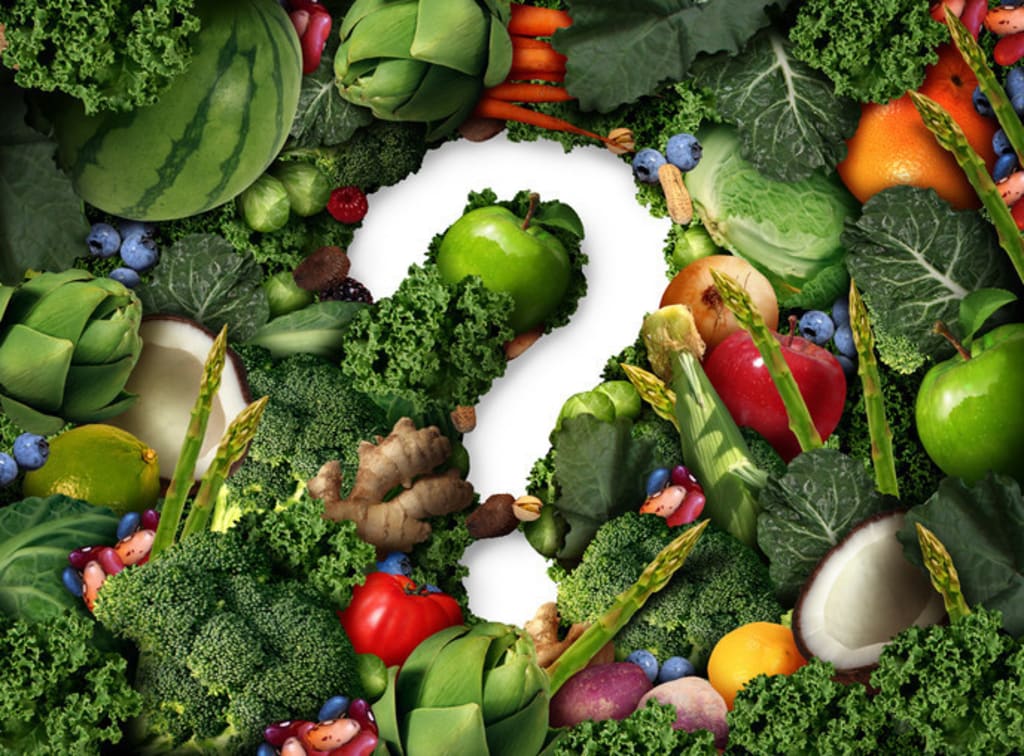
In recent years, there has been a significant rise in the number of people choosing to adopt a plant-based diet. While vegetarianism and veganism were once considered fringe lifestyles, they are now gaining mainstream acceptance as more and more people become aware of the health benefits of a plant-based diet, as well as the environmental and ethical concerns associated with meat consumption.
The rise of plant-based diets can be attributed to a number of factors, including increasing awareness of the negative health effects of meat consumption, concerns about the environmental impact of animal agriculture, and a growing awareness of the ethical concerns associated with factory farming.
One of the primary drivers of the shift towards plant-based diets is the growing body of scientific evidence linking meat consumption to a range of health problems. Studies have found that people who consume large amounts of meat are at increased risk of heart disease, cancer, and other chronic diseases. Additionally, the antibiotics and hormones used in meat production can pose health risks for humans who consume these products.
In contrast, plant-based diets have been shown to offer a wide range of health benefits. A plant-based diet can help to reduce the risk of heart disease, stroke, and cancer, while also helping to lower blood pressure and cholesterol levels. Plant-based diets are also rich in fiber, vitamins, and minerals, which can help to support overall health and wellbeing.
Another key factor driving the rise of plant-based diets is growing concern about the environmental impact of animal agriculture. The meat industry is a major contributor to greenhouse gas emissions, deforestation, and water pollution. Livestock farming is also a major source of land use, with vast swathes of land dedicated to producing feed for animals.
By contrast, plant-based diets have a much smaller environmental footprint. Plant-based foods require less land, water, and other resources to produce than meat-based foods, making them a more sustainable choice for the planet. Additionally, plant-based diets can help to reduce greenhouse gas emissions and other forms of pollution associated with animal agriculture.
Finally, many people are turning to plant-based diets as a way to address ethical concerns about the treatment of animals in factory farming. The meat industry has long been associated with a range of animal welfare issues, including overcrowding, confinement, and the use of hormones and antibiotics. By choosing to adopt a plant-based diet, individuals can reduce their support for this industry and promote more ethical and humane treatment of animals.
Despite these benefits, the transition to a plant-based diet can be challenging for many people. Some may struggle to find suitable plant-based alternatives to their favorite meat-based dishes, while others may worry about getting enough protein or other essential nutrients.
Fortunately, there are many resources available to help individuals make the transition to a plant-based diet. There are now a wide variety of plant-based meat substitutes available, including burgers, sausages, and chicken nuggets, which can help to make the transition easier for people who are used to a meat-based diet. Additionally, plant-based diets can be rich in protein and other essential nutrients, provided that individuals consume a varied and balanced diet that includes a range of plant-based protein sources.
In conclusion, the rise of plant-based diets represents a major shift in the way that people think about food and its impact on health, the environment, and animal welfare. While the transition to a plant-based diet may be challenging for some, the benefits of this lifestyle are clear and are increasingly recognized by health professionals, environmentalists, and animal rights advocates. As more and more people choose to adopt plant-based diets, we can expect to see continued innovation in plant-based food products and increased awareness of the many benefits of this way of eating.
About the Creator
HARI KRISHNAN
Unique content writer
Keep reading
More stories from HARI KRISHNAN and writers in Lifehack and other communities.
CHAI AND SAMOSAS
Once upon a time, there was a man named Raj who loved tea and samosas more than anything in the world. He would have them for breakfast, lunch, and dinner if he could, and he would often go out of his way to find the best samosas and the tastiest chai in town.
By HARI KRISHNAN3 years ago in Fiction
Top 10 Side Effects of Chia Seeds You Should Know
Chia seeds have gained huge popularity in recent years as a superfood. From smoothies and puddings to salads and oatmeal, these tiny seeds are often praised for their high fiber, omega-3 fatty acids, and protein content. Many people include them in their daily diet to support weight loss, digestion, and overall health.
By Veronica Bennett5 days ago in Lifehack


Comments
There are no comments for this story
Be the first to respond and start the conversation.