
The Rise of LED Neon Lights: A Modern Evolution of Illumination
Exploring the shift from traditional neon to energy-efficient LED neon lighting

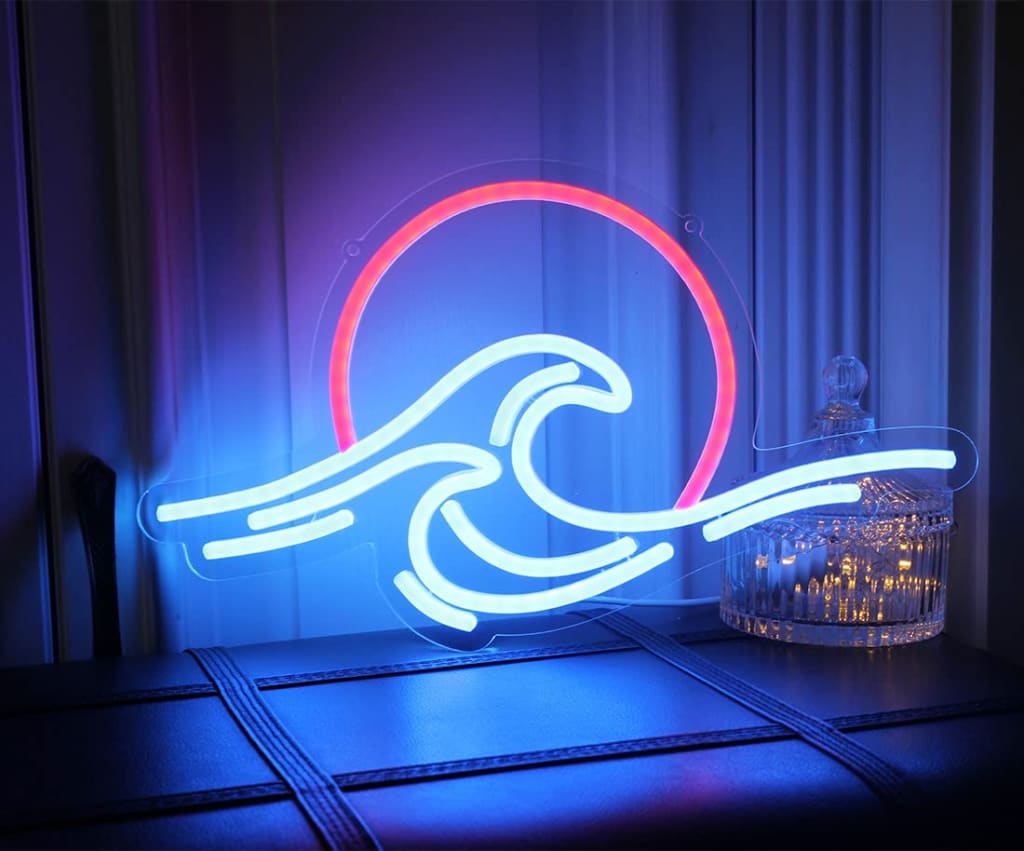
Lighting has always played a crucial role in shaping the way we perceive spaces, create moods, and enhance functionality. Over the past few decades, technology has transformed traditional lighting methods into more efficient, sustainable, and creative solutions. Among these, the LED neon light has emerged as one of the most versatile and innovative options available today. Combining the nostalgic glow of classic neon with the efficiency and flexibility of LEDs, it represents the best of both worlds.
From Traditional Neon to LED Neon: A Historical Perspective
Neon lighting was first introduced in the early 20th century and quickly became iconic for signage, nightlife, and artistic displays. However, traditional neon lights were fragile, costly to maintain, and consumed significant amounts of energy. With growing concerns about energy efficiency and sustainability, the shift toward LED technology was inevitable.
The advent of the LED strip changed the way lighting could be applied. Unlike rigid neon tubes, LED strips offered flexibility, lower power consumption, and easier installation. Over time, manufacturers developed LED neon lights that could replicate the continuous glow of classic neon without its limitations.
What Makes LED Neon Lights Different?
LED neon lights are essentially LED strips encased in a silicone or PVC diffuser, designed to mimic the smooth, uninterrupted glow of traditional neon. This construction provides several distinct advantages:
Energy Efficiency – They consume significantly less power compared to glass neon tubes.
Durability – Being made of flexible materials, they are resistant to breakage.
Versatility – They can be bent, cut, and shaped into custom designs.
Eco-Friendliness – Unlike neon gas lights, LEDs do not contain toxic gases.
Cost-Effectiveness – Lower energy bills and reduced maintenance make them a practical choice.
These qualities have made LED neon lights a popular option for both commercial and residential spaces.
Applications of LED Neon Lighting
The adaptability of LED neon lighting means it can be used in a wide range of settings. Some of the most common applications include:
Signage and Branding – Businesses now prefer LED neon lights for storefronts, as they provide high visibility with lower costs.
Interior Design – From accent walls to under-cabinet lighting, LED neon creates ambience in homes, cafes, and hotels.
Events and Exhibitions – They are widely used in weddings, festivals, and art installations due to their aesthetic appeal and ease of setup.
Architectural Lighting – Outlining buildings and structures with LED neon enhances both safety and beauty.
The Role of Manufacturers in Shaping LED Neon Technology
The development of LED neon lighting owes much to innovation from companies across the globe. A leading LED neon light manufacturer based in China, for example, plays a central role in refining designs, ensuring quality, and making these products accessible worldwide. China led strip has become a hub for LED technology, thanks to its robust manufacturing infrastructure and capacity for large-scale production.
Similarly, companies that specialize as a LED strip manufacturer continue to drive innovation by offering improved chip efficiency, better color rendering, and enhanced waterproofing technologies.
Comparing LED Neon Lights with Other LED Solutions
While LED neon lights offer a unique visual appeal, they are part of a broader ecosystem of LED solutions. According to the LED strip technology overview, LED strips remain the foundation for many modern lighting systems. The choice between LED neon and other forms of LED lighting depends on the intended use:
- LED Strips – Best for task lighting, hidden accents, and functional illumination.
- LED Neon – Best for continuous lines of light, signage, and decorative elements.
Both technologies complement each other, often being used together in large-scale lighting projects.
Sustainability and Environmental Impact
One of the most significant reasons behind the popularity of LED neon lights is their sustainability. Unlike glass neon, which requires high voltage and uses gases like argon or neon, LED neon lights operate on low voltage, making them safer and more environmentally friendly. Their longer lifespan also means fewer replacements and less waste.
This eco-conscious aspect aligns with global efforts to reduce carbon footprints and promote greener alternatives in design and construction.
Challenges and Considerations
Despite their benefits, LED neon lights are not without challenges. Some considerations include:
Initial Cost – Though more affordable than glass neon, high-quality LED neon can still be expensive upfront.
Heat Management – Poor installation or low-quality materials may lead to overheating.
Color Accuracy – While advanced models achieve near-perfect replication of neon colors, cheaper versions may not deliver the same vibrancy.
Consumers and designers must weigh these factors when choosing lighting solutions for their projects.
Future of LED Neon Lighting
As technology evolves, the future of LED neon lights looks promising. Trends suggest increased integration with smart home systems, allowing users to control color, brightness, and patterns via mobile apps or voice commands. We can also expect advancements in:
- Flexible and ultra-thin designs for even more creative applications.
- Higher efficiency chips that further reduce power consumption.
- Enhanced outdoor durability, making them ideal for urban landscapes.
These innovations will continue to expand the role of LED neon lights in both practical and artistic contexts.
Conclusion
The China LED neon light industry has transformed what was once a fragile, high-maintenance technology into a durable, versatile, and eco-friendly solution. By merging the charm of traditional neon with the advantages of LEDs, these lights have become indispensable in modern design.
Whether for signage, architecture, or interior decoration, LED neon lighting offers a balance of beauty and efficiency. Coupled with the contributions of global manufacturers and ongoing innovations in LED strip technology, they represent a vital chapter in the future of lighting.
About the Creator
Keep reading
More stories from charliesamuel and writers in Lifehack and other communities.
The Evolution and Versatility of LED Strip Lighting: A Closer Look at WS2815 Technology
Introduction LED strip lighting has revolutionized how we think about illumination, design, and energy efficiency. Unlike traditional lighting, which is rigid in form and limited in application, LED strips offer unmatched flexibility. From architectural highlights to creative interior designs, they have found their way into homes, businesses, and outdoor projects across the globe. In particular, the ws2815 series stands out as a prime example of how far this technology has advanced. These digital addressable strips open possibilities that were unimaginable with earlier generations of lighting.
By charliesamuel4 months ago in Lifehack




Comments
There are no comments for this story
Be the first to respond and start the conversation.