
The Evolution and Versatility of LED Strip Lighting: A Closer Look at WS2815 Technology
Exploring the innovation, applications, and future of WS2815 LED strip lighting.

Introduction
LED strip lighting has revolutionized how we think about illumination, design, and energy efficiency. Unlike traditional lighting, which is rigid in form and limited in application, LED strips offer unmatched flexibility. From architectural highlights to creative interior designs, they have found their way into homes, businesses, and outdoor projects across the globe. In particular, the ws2815 series stands out as a prime example of how far this technology has advanced. These digital addressable strips open possibilities that were unimaginable with earlier generations of lighting.
This article explores the history of LED strips, the unique features of tira de luz LED ws2815, and their broader implications in modern lighting applications. It also reflects on how manufacturers, especially those in regions like China, have contributed to the growth of this technology.
The Origins of LED Strip Lighting
According to Wikipedia, LED strip lights emerged as a flexible alternative to rigid lighting solutions. Their compact size, low power consumption, and ability to be cut or extended made them appealing to both professional designers and DIY enthusiasts. Early LED strips were relatively simple—limited to single colors and straightforward functionality. Over time, however, demand for more advanced features drove innovation, leading to RGB color mixing, smart controls, and digital addressability.
What Sets WS2815 Apart?
The ws2815 LED light strip is a significant leap forward in LED technology. Unlike basic RGB strips that can only display one color across their entire length, WS2815 strips are digitally addressable. This means each LED can be programmed to display a different color or brightness level independently.
Some of the standout features include:
- Dual-Signal Wires – Traditional strips often fail if a single LED malfunctions, cutting off the signal to the rest of the strip. WS2815 integrates a backup signal line, ensuring that the strip continues functioning even if one LED is damaged.
- 12V Power Efficiency – Compared to older 5V systems, the 12V design reduces voltage drop across longer runs. This makes WS2815 strips ideal for large-scale installations.
- High Color Accuracy – With advanced RGB mixing, these strips deliver vivid, consistent colors suitable for both decorative and functional lighting.
- Wide Application Range – Whether it’s mood lighting in a living room, dynamic signage, or outdoor architectural projects, tira de luz LED ws2815 adapts seamlessly.
Applications in Daily Life
The applications of WS2815 strips are diverse, reflecting the versatility of LED strip lighting in general.
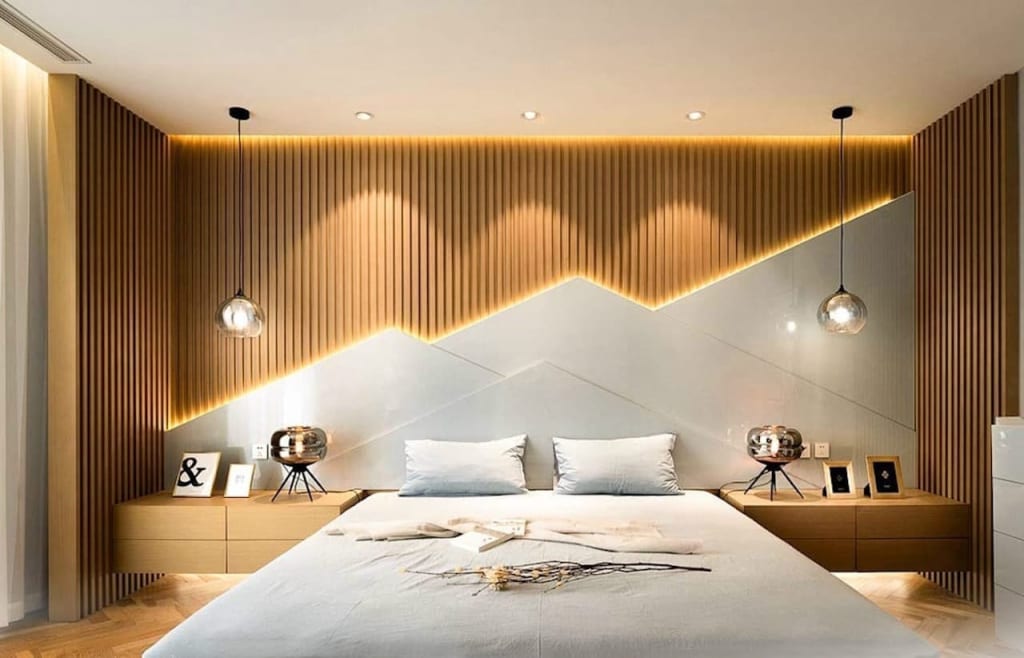
Interior Design: Homeowners and designers often use LED strips to highlight ceilings, staircases, or under-cabinet areas in kitchens. WS2815 allows for dynamic effects, from subtle warm glows to vibrant, color-changing sequences.
Commercial Spaces: In retail and hospitality, lighting plays a critical role in setting ambiance. WS2815 strips provide programmable options that can shift moods instantly, whether for holiday promotions or evening atmospheres.
Art Installations: Artists and event planners leverage the addressable nature of these strips for interactive and immersive experiences.
Outdoor Projects: With protective casing, WS2815 strips can illuminate building facades, gardens, and pathways.
The Role of Manufacturers
The growth of LED technology has been closely tied to advancements in manufacturing. A led strip manufacturer based in China, for instance, often operates at the forefront of innovation. By offering competitive pricing, mass production capabilities, and customization, these manufacturers have made high-quality strips accessible worldwide.
China’s role as a leader in electronics production cannot be understated. The sheer scale of its industry allows for rapid prototyping, continuous improvement, and global distribution. As a result, consumers around the world benefit from the availability of advanced products like the WS2815 strip.
Comparing WS2815 to Other LED Strips
To appreciate the significance of WS2815, it helps to compare it with other options:
Traditional LED Strips: Simple, affordable, but limited in color and functionality.
RGB Strips: Allow color changes but usually operate as a whole, lacking individual LED control.
WS2812B Strips: Offer addressability but rely on a single-signal wire, making them more vulnerable to failure.
WS2815 Strips: Combine the best of both worlds—addressability and resilience through dual-signal design.
This comparison highlights how WS2815 strikes a balance between reliability, scalability, and creative potential.
Environmental and Energy Implications
One of the main reasons LED strips gained popularity is their efficiency. Compared to incandescent and fluorescent lighting, LED strips consume significantly less power and generate less heat. For large installations, the energy savings are substantial.
The 12V structure of WS2815 strips further enhances efficiency by minimizing voltage drops. This translates to less wasted energy and better performance across long runs. In a world increasingly conscious of sustainability, such features contribute to reduced environmental impact.
Challenges and Considerations
While WS2815 strips offer numerous advantages, certain factors must be considered:
Installation Complexity: Addressable strips require controllers and sometimes additional software, which can be daunting for beginners.
Cost: They tend to be more expensive than basic strips due to their advanced technology.
Heat Management: Like all LEDs, proper heat dissipation is necessary for longevity.
Understanding these challenges ensures that users make informed decisions when selecting LED strips for their projects.
The Future of LED Strip Lighting
The evolution of LED strips is far from over. Emerging trends include:
Integration with Smart Home Systems: Compatibility with platforms like Alexa and Google Home is becoming standard.
Higher Color Fidelity: Advancements in LED technology continue to improve accuracy and range.
Eco-Friendly Materials: Manufacturers are exploring sustainable materials to reduce environmental impact.
Increased Customization: Demand for tailor-made solutions drives innovation in length, density, and protective coatings.
The WS2815 serves as a stepping stone toward these future advancements, showing how far the technology has already come.
Conclusion
LED strip lighting represents a paradigm shift in how we illuminate spaces. From the earliest single-color strips to the cutting-edge tira de luz LED ws2815, the journey reflects human ingenuity and the pursuit of better design, efficiency, and creativity. With manufacturers—particularly those in regions like China led strip—continuing to innovate, the possibilities are expanding daily.
For homeowners, businesses, and artists alike, the ws2815 strip exemplifies the future of dynamic, resilient, and versatile lighting. Its addressable nature, energy efficiency, and adaptability ensure it will remain a key player in modern lighting design, while the broader story of led strip technology continues to unfold.
About the Creator
Keep reading
More stories from charliesamuel and writers in Lifehack and other communities.
Modern Lighting with COB LED Strips: A Complete Guide
Introduction LED lighting has transformed the way we design and experience spaces. Among the most notable innovations are COB LED strips (Tira de luz COB,), which offer greater uniformity, efficiency, and versatility compared to earlier technologies. These solutions are gaining popularity in both residential and commercial environments thanks to their ability to create smoother, dot-free light. In this article, we’ll explore in detail what COB strips are, how they differ from other types of led strip, their benefits, and their most relevant applications.
By charliesamuel6 months ago in Lifehack
10 Smart Life Tips That Can Make Your Everyday Easier
Life can often feel chaotic, and small inefficiencies can add up to big stress over time. But with the right tips and ideas, you can simplify your daily routine, improve productivity, and even enjoy more free time. Here are 10 smart life tips that anyone can apply, whether at home, work, or on the go. 1. Use the 2-Minute Rule If a task takes less than two minutes to complete, do it immediately. This simple rule, inspired by productivity experts, helps you avoid cluttered to-do lists and keeps small chores from piling up. For example, responding to a quick email, washing a few dishes, or filing a document immediately prevents a backlog that could overwhelm you later. 2. Organize Your Workspace A clean and organized workspace can drastically improve focus. Keep only essentials on your desk, use cable organizers, and maintain a minimalist setup. Even small changes like labeling drawers or arranging your tools efficiently can save time every day. Adding plants or a small desk lamp can also create a calm environment, helping you stay productive longer. 3. Batch Your Tasks Grouping similar tasks together reduces the mental load of constant context switching. For instance, check emails only twice a day, or batch all errands into a single outing. Batching prevents wasted time and improves efficiency. For parents or busy professionals, batching tasks like grocery shopping or preparing meals for the week can make a huge difference. 4. Automate Routine Tasks Technology can save you hours each week. Set up automatic bill payments, calendar reminders, and recurring online orders. Apps like task managers, AI assistants, and smart home devices can streamline everyday activities. For example, automating your weekly cleaning schedule with reminders or smart lights can reduce daily stress. 5. Prioritize Your Health A sharp mind needs a healthy body. Simple habits like drinking enough water, taking short walking breaks, and doing light exercises can boost energy levels and mental clarity throughout the day. Even stretching for five minutes in the morning or practicing mindful breathing can have long-term benefits. 6. Meal Prep & Plan Ahead Planning your meals for the week saves both time and money. Batch-cook meals or prep ingredients in advance. This not only reduces last-minute stress but also encourages healthier eating habits. You can also experiment with simple, time-saving recipes like overnight oats, one-pot meals, or pre-chopped vegetable mixes. 7. Digital Declutter A cluttered phone or computer slows you down. Delete unnecessary files, organize folders, and unsubscribe from emails you don’t need. A clean digital space can improve focus and reduce distractions. Additionally, use productivity apps to track important tasks rather than relying on memory alone. 8. Practice Mindful Breaks Short breaks are essential to maintain productivity. Instead of scrolling social media, try a 5-minute meditation, deep breathing, or stretching. Mindful breaks recharge your energy more effectively and prevent burnout. Listening to calming music or taking a walk outside can also refresh your mind. 9. Keep a “Done” List Instead of only tracking tasks to do, maintain a list of completed tasks. Seeing your accomplishments boosts motivation and helps you reflect on what strategies worked best for you. Celebrate small wins, whether finishing a report or simply tidying up your room, to create a positive momentum. 10. Learn to Say No Time is precious. Avoid overcommitting by politely declining tasks or invitations that don’t align with your priorities. Setting boundaries helps protect your energy and focus for the things that truly matter. Remember, saying no to one thing is saying yes to your own goals and well-being. Final Thoughts: Smart life tips don’t have to be complicated. The small changes listed above, when applied consistently, can improve productivity, reduce stress, and make your daily routine smoother. Start with one or two tips today, gradually incorporate the rest, and soon you’ll notice your life becoming more organized, efficient, and fulfilling.
By Baseer Shaheen a day ago in Lifehack
Lycan Lore
As the students of my 10am mythology class take their seats, I decide to steer the day's curriculum away from Greek and dive into a Western European discourse on the misaligned beliefs of the Werewolf. A tale of truth or fiction. No one really knows.
By Lamar Wigginsabout 18 hours ago in Fiction


Comments
There are no comments for this story
Be the first to respond and start the conversation.