
The Psychology of Furniture: How Your Choices Can Influence Your Mood and Well-Being
Understanding How Colors, Comfort, and Design Can Shape Your Emotional and Mental State
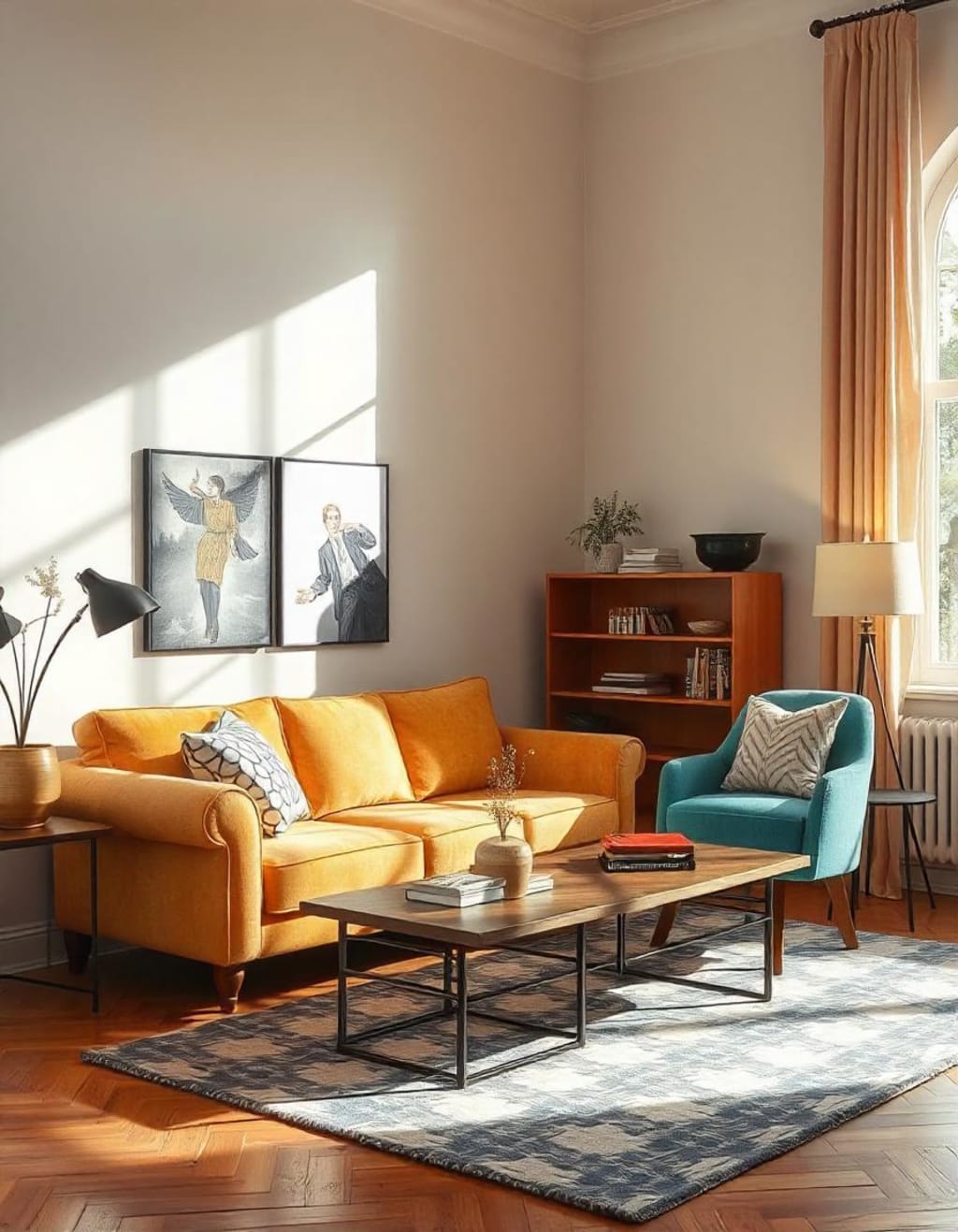
Furniture does much more than simply occupy space in your home or office. It has the power to shape our mood, boost productivity, and enhance our overall well-being. Whether we realize it or not, the colors, shapes, and arrangement of furniture pieces directly influence how we feel and interact with our environment every day. By understanding the psychology behind our furniture choices, we can create spaces that not only look aesthetically pleasing but also contribute positively to our emotional and mental state.
Color Psychology
The colors of your furniture play a critical role in setting the tone of a room. Different colors evoke specific emotions and can have a significant impact on your mood. For example, soothing shades of blue and green are known to have calming effects, making them ideal for spaces where relaxation is key, such as bedrooms, living rooms, or meditation areas. These colors help reduce stress and anxiety, fostering a tranquil atmosphere where you can unwind after a long day.
On the other hand, warm, vibrant tones like red, yellow, and orange can have energizing and stimulating effects. These colors are great for spaces where creativity and focus are needed, such as home offices, studios, or kitchens. Red, in particular, is known to increase energy levels and stimulate conversation, making it a great choice for spaces designed for social interaction. Yellow, associated with happiness and positivity, can inspire creativity and boost mood, making it perfect for areas where you want to feel inspired and productive.
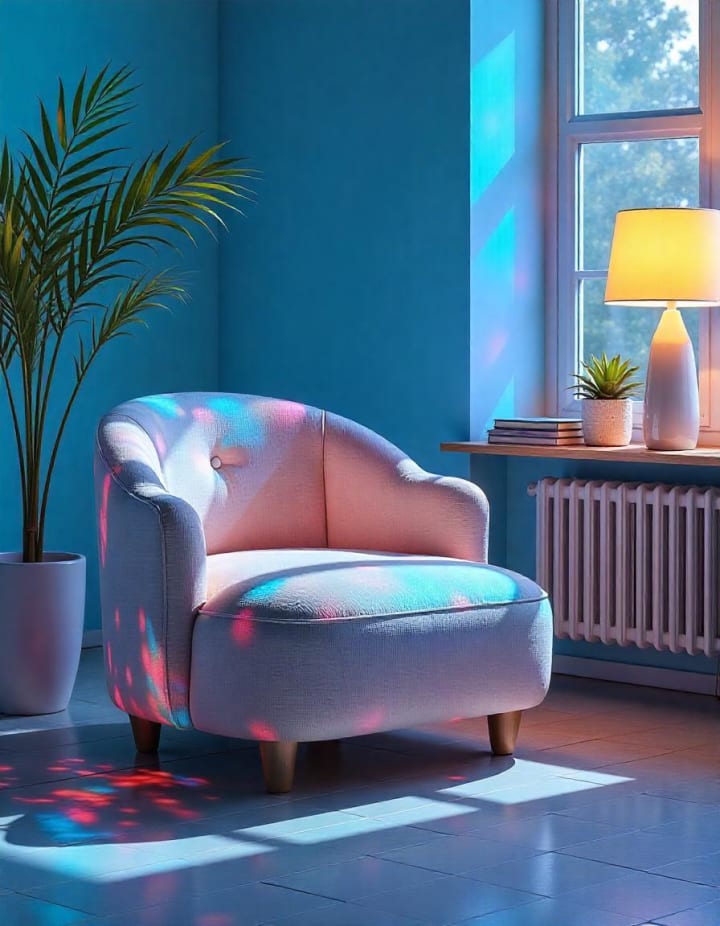
When selecting furniture, consider the colors that best align with the purpose of each room. Whether you're aiming for relaxation or motivation, color can be a simple yet powerful tool to influence your emotional well-being.
Comfort and Relaxation
In addition to color, the comfort level of your furniture plays a pivotal role in your overall well-being. Ergonomically designed furniture—such as supportive chairs, comfy sofas, and well-padded armchairs—can significantly reduce physical stress and enhance relaxation. Comfort is not just about feeling physically at ease; it also contributes to a sense of emotional calm and mental peace.
When choosing seating, look for options that prioritize good posture and offer ample support. For example, an ergonomic chair can improve your posture and reduce back pain, contributing to a more productive and comfortable workday. A cozy sofa or a plush armchair, on the other hand, can create a warm, inviting space where you can relax and unwind after a busy day. Investing in furniture that combines form and function will not only boost your comfort but also support your emotional well-being by creating a stress-free environment.

Space and Clutter
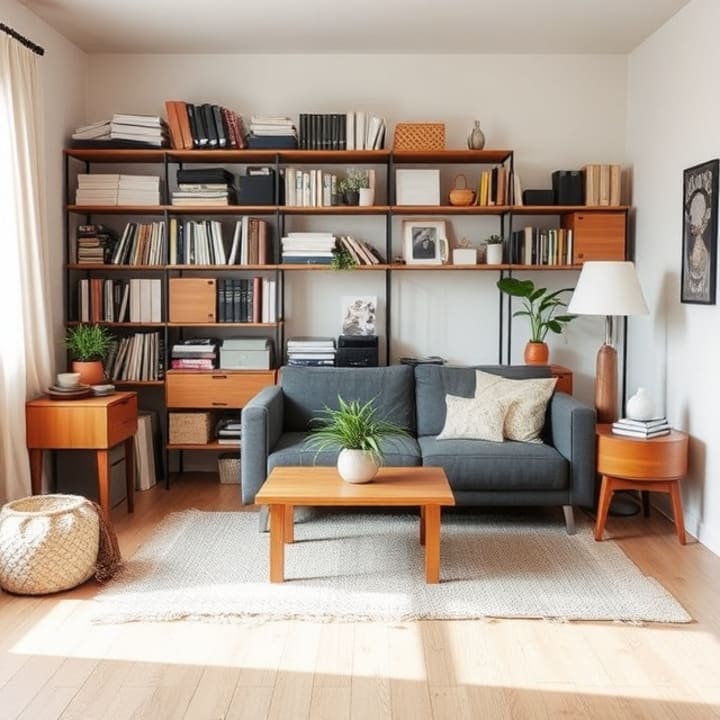
The arrangement of furniture can have a profound effect on the atmosphere of a room. A cluttered, disorganized space often leads to feelings of overwhelm, anxiety, and mental fatigue. When furniture is overcrowded or poorly arranged, it can create visual chaos, making it difficult to focus and relax. On the other hand, a well-organized, minimalist approach can foster clarity, calm, and balance.
To create a peaceful environment, aim for a layout that is both functional and aesthetically pleasing. opt for multi-purpose furniture that serves more than one function, such as storage ottomans, sofa beds, or modular shelving. These pieces help you maintain an orderly and spacious environment, contributing to a sense of peace. Additionally, open floor plans allow for better flow and movement, reducing the feeling of being confined and cramped. A clutter-free space makes it easier to focus, relax, and rejuvenate, ultimately reducing stress.
Design and Flow
The arrangement of your furniture also affects the flow of energy and movement within a room. An open layout promotes better social interaction and movement, making it ideal for areas where people gather, such as living rooms or dining rooms. When furniture is arranged in a way that encourages natural movement and conversation, it fosters a sense of openness and connection.
In contrast, a poorly arranged space can make it difficult to navigate, leading to frustration or discomfort. For example, placing a sofa too far from the TV or blocking doorways with oversized furniture can disrupt the flow and create feelings of restriction. Furniture placement should prioritize comfort and functionality, making it easy for people to interact, relax, and move freely.
Personal Connection
Lastly, the emotional value of your furniture can create a sense of connection and comfort within your space. Pieces that have personal or sentimental value—such as family heirlooms, vintage finds, or custom-made items—can evoke positive memories and emotions. These pieces often become the heart of a room, contributing to a sense of belonging and emotional well-being.
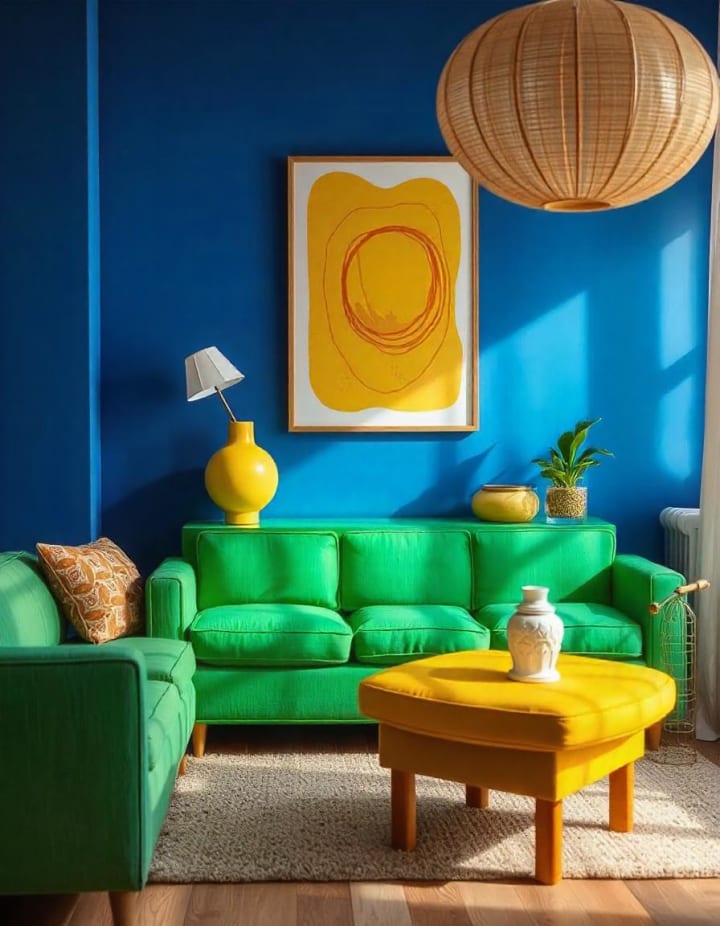
When you surround yourself with furniture that holds meaning or reflects your personal style, it helps create a space that feels uniquely yours. This connection to your environment can provide a sense of security and comfort, making your home feel like a true sanctuary.
Conclusion
By thoughtfully considering the psychology behind your furniture choices, you can create a space that nurtures both your physical and mental well-being. Whether you're choosing colors that promote relaxation, selecting ergonomic furniture that prioritizes comfort, or organizing your space to reduce clutter, every choice you make has the potential to influence how you feel and interact with your environment. Ultimately, furniture is not just about aesthetics—it's about creating a space that enhances your quality of life, fostering a sense of calm, comfort, and joy.
About the Creator
Keep reading
More stories from Opaa Homes and writers in Lifehack and other communities.
Style and Storage: The Dual Charm of Ottomans
Ottomans are far more than mere footrests. They are the unsung heroes of home decor, combining style, versatility, and functionality in one compact piece of furniture. Whether you’re looking to add a touch of elegance to your living room, create additional storage, or simply enhance the comfort of your space, ottomans are a perfect choice. Their ability to serve multiple purposes while seamlessly fitting into a variety of interior design styles makes them a must-have in modern homes.
By Opaa Homesabout a year ago in Lifehack
Time Management Vs Money Management
In today’s fast-paced world, two skills are often highlighted as essential for success: time management and money management. Both are considered pillars of a productive and stable life, yet people frequently debate which one matters more. Is it better to manage your time perfectly or to handle your money wisely? The truth is that both are deeply connected, but they play different roles in shaping personal growth, career success, and long-term happiness.
By shaoor afridi5 days ago in Lifehack




Comments
There are no comments for this story
Be the first to respond and start the conversation.