
Fruits and Vegetables: Nature’s Gift to Health and Sustainability
Why incorporating more produce into our diets can transform lives, communities, and the planet
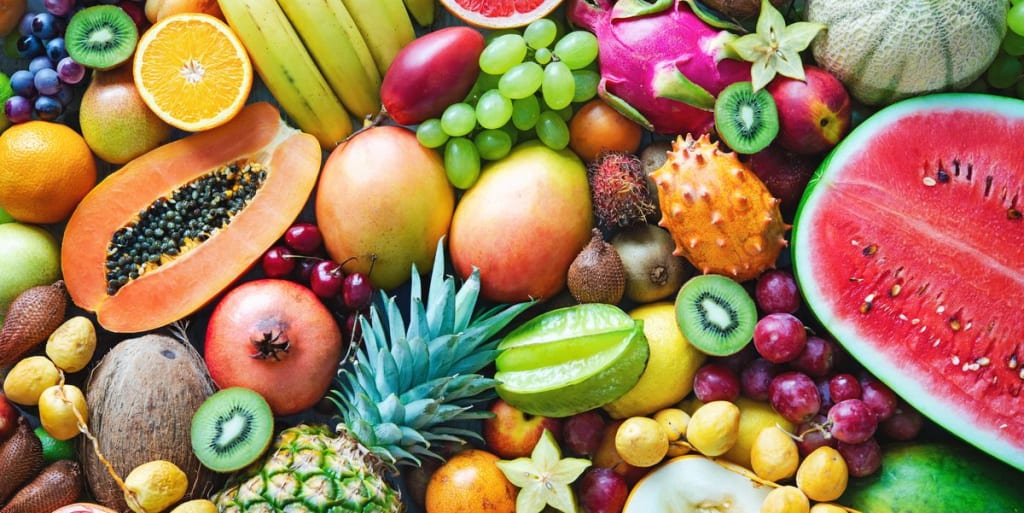
There’s a reason every nutritionist, doctor, and wellness expert talks about fruits and vegetables—they’re simply some of the best things we can eat. Packed with color, flavor, and nutrients, they support our bodies, nourish our minds, and even help protect the environment. But despite their obvious benefits, they often get pushed aside in favor of processed foods and sugary snacks. It’s time we gave fruits and vegetables the spotlight they deserve.
Nutritionally, they’re hard to beat. Full of vitamins, minerals, antioxidants, and fiber, fruits and vegetables give us the essentials our bodies need to stay strong. Think about the vitamin C in citrus fruits, potassium in bananas, or the iron in leafy greens like spinach. Eating a variety of these foods can help boost our immune system, keep our digestion on track, and even lower the risk of serious diseases such as heart problems, diabetes, and certain cancers.
The colors of fruits and vegetables actually tell us something important. Reds like tomatoes and strawberries contain compounds that fight cell damage. Orange and yellow foods, such as carrots and mangoes, are high in beta-carotene, which supports vision and immunity. Green vegetables—especially the dark leafy kind—are rich in calcium and folate. And the purples and blues, like blueberries or eggplants, are loaded with antioxidants that may slow aging and support brain health.
It’s not just about physical health, either. A produce-rich diet can help improve mood and mental clarity. Research suggests that people who eat more fruits and vegetables tend to feel happier and more relaxed. Nutrients like folate and magnesium play a part in how our brains produce mood-regulating chemicals. On top of that, the act of preparing fresh meals—chopping vegetables or blending a smoothie—can be calming and help us feel more connected to what we eat.
On an economic level, fruits and vegetables play a key role in supporting communities. Farmers—especially small-scale growers—depend on this kind of agriculture for their livelihood. When we buy locally grown produce, we’re not just getting fresher food; we’re also helping local economies and reducing the environmental cost of shipping food from far away. That’s a win-win.
Speaking of the environment, plant-based foods have a smaller footprint compared to meat and dairy. Growing fruits and vegetables uses less water and land and produces fewer greenhouse gases. By eating more produce and less highly processed or animal-based foods, we contribute to a more sustainable planet. Home gardens, composting scraps, and even school vegetable plots are small actions that can add up to big change.
Culturally, fruits and vegetables have been essential parts of global diets for centuries. From Mediterranean dishes full of eggplant and olive oil to Asian stir-fries bursting with greens and mushrooms, every culture brings unique traditions to the table. These traditions often connect people across generations through food, storytelling, and seasonal cooking.
Still, access isn’t always fair. In many low-income neighborhoods and remote areas, fresh produce is hard to find or unaffordable. These places—often called food deserts—leave residents with limited options, usually processed foods that are high in sugar, salt, and unhealthy fats. The result is poorer health outcomes. Solving this problem means rethinking how we deliver and support healthy food: funding community gardens, improving school meals, and making fresh produce available in every store.
Schools and local governments can help lead the way. Programs that teach children how to grow, cook, and enjoy fruits and vegetables can set lifelong habits. School lunches that include fresh salads or fruit cups teach kids that healthy food doesn’t have to be boring—it can actually be delicious.
Now, what can the average person do to eat more fruits and vegetables? It’s easier than you might think. Start small. Add berries to your morning oats or blend a banana into your yogurt. Pile your sandwich with lettuce, tomatoes, or even slices of apple for crunch. At dinner, aim to make half your plate vegetables—roast some broccoli, grill some peppers, or make a hearty vegetable soup. And don’t forget frozen or canned options—just choose those with little to no added salt or sugar.
Health organizations around the world usually suggest eating five servings of fruits and vegetables a day. That might sound like a lot, but when you spread it out—some fruit in the morning, a salad or veggie wrap at lunch, and a side of veggies at dinner—it becomes manageable. Variety is key. The more colors you eat, the more nutrients you get.
In the end, fruits and vegetables offer more than just nutrition. They represent care—care for our bodies, our families, and the world around us. With each bite, we’re not only choosing to fuel ourselves with something good but also participating in a global movement toward better health and sustainability. So next time you're at the market or planning a meal, think colorful. A simple apple or bunch of spinach might be a small step, but it’s one in the right direction.
About the Creator
Crucial Health and Safety Practices Every Employer Must Enforce
Creating a safe workplace isn't just about meeting legal obligations—it’s about building a sustainable, ethical, and high-performing business. When companies prioritize employee well-being, they reduce the risk of injuries, legal consequences, and operational disruptions. OSHA and other regulatory bodies have laid down clear guidelines to help employers maintain secure environments. These rules are designed to prevent accidents and illnesses, but their real value lies in protecting the people who keep businesses running.
By Dr. Todd Young7 days ago in Lifehack
The Truth in My Lab Report: How I Slashed My Triglycerides and Changed My Cholesterol for Good
My Lipid Wake-Up Call: How Untangling Triglycerides vs. Cholesterol Changed My Health (And Probably Saved Me) Let’s be real. For years, the words from my doctor’s office just washed over me. A mumbled monologue about “lipid panels,” “numbers,” and “cardiovascular risk.” I’d nod, see a few flagged results on my printout—usually something about triglycerides and LDL—feel a pinch of worry, and then… life would happen. I’d grab a quick sandwich, skip the gym because I was tired, and tell myself I’d deal with it later. The confusion itself was a comfort zone. If I didn’t truly understand it, I couldn’t be fully responsible for fixing it, right?
By John Arthor6 days ago in Lifehack
Center Stage with Paul Stewart
*** I'm keen to republish the interviews I did for my series with Vocal creators. It's been a few years and I thought it might be nice to revisit these wonderful conversations. I'll be releasing them one at a time for a few weeks/months.
By Heather Hubler3 days ago in Interview




Comments
There are no comments for this story
Be the first to respond and start the conversation.