
The Power of Fruits and Flowers
Discover how the natural power of fruits and flowers might help clean up tiny plastic pollution

Microplastics are everywhere. These tiny plastic bits—often smaller than a grain of rice—can be found in oceans, rivers, the soil, and even the air we breathe. They come from broken-down plastic waste, beauty products, clothing fibers, and more. Sadly, microplastics are being eaten by fish, birds, and even making their way into our food and water.
But what if nature itself could help us clean up this mess? Scientists are now discovering that fruits and flowers, some of the most beautiful parts of nature, may offer surprising solutions to this modern-day problem.
Let’s explore how these natural wonders could help us fight microplastics—and why they might be the heroes we never expected.
What Are Microplastics and Why Are They Dangerous?
Before diving into nature’s role, it’s important to understand what we’re up against.
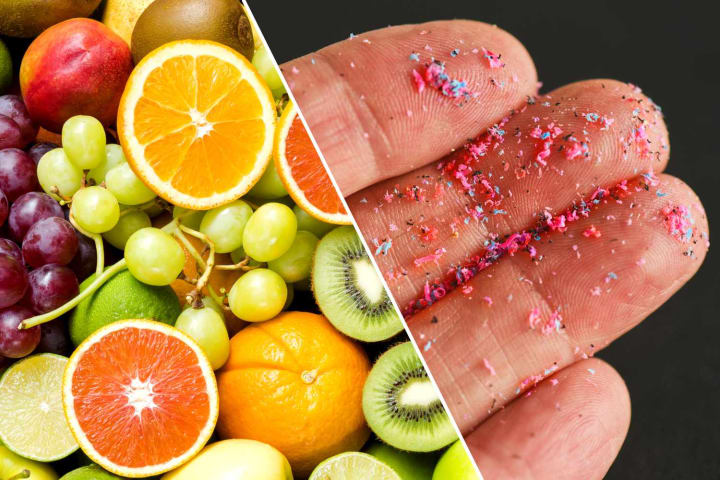
Microplastics are very small pieces of plastic, usually less than 5 millimeters in size. They come from:
Larger plastic items breaking down over time
Synthetic clothes that shed fibers when washed
Cosmetic products like scrubs or toothpaste
Industrial waste
These tiny bits don’t just float around—they get eaten by marine animals, enter the soil, and are even found in drinking water and human blood.
Microplastics are harmful because they carry toxic chemicals. They can damage organs, cause inflammation, and affect the health of animals and humans.
Fruits and Flowers: Unexpected Heroes
Now here’s where nature steps in.
Some recent studies have shown that fruits and flowers may help in breaking down or trapping microplastics in eco-friendly ways. Scientists are using their natural chemicals, structures, and even scents to find new ways to reduce microplastic pollution.
Here are a few exciting examples:
1. Orange Peels That Clean Water
Did you know that orange peels contain natural chemicals that can attract and trap plastic particles?
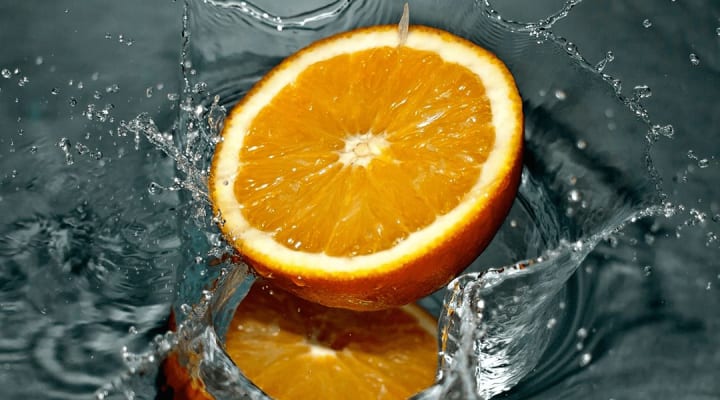
Researchers have discovered that dried and powdered orange peels can absorb microplastics from water. When placed in polluted water, the powder binds to the plastic bits and helps remove them. This process is safe, cheap, and doesn’t harm the environment.
This means something as simple as leftover fruit peels could become a powerful tool to clean lakes, rivers, or even household water.
2. Flowers That Filter
Some flowers, especially water-loving ones like lotus and water hyacinth, are being tested for their ability to trap microplastics.
Their roots have tiny hairs and sticky surfaces that can hold onto small plastic particles as water flows through them. Planting these flowers in wetlands or water gardens might help naturally reduce plastic waste in water bodies.
Not only do they look beautiful, but they can act like gentle filters, cleaning the water while blooming brightly.
3. Fruit Seeds with Super Powers
Mango and avocado seeds are usually thrown away—but they might soon be used to make special filters. Scientists are creating bio-filters using powdered fruit seeds that help trap microplastics from drinking water.
These filters could be used in homes, especially in places where water pollution is a serious problem.
4. Natural Oils and Scents That Break Plastic
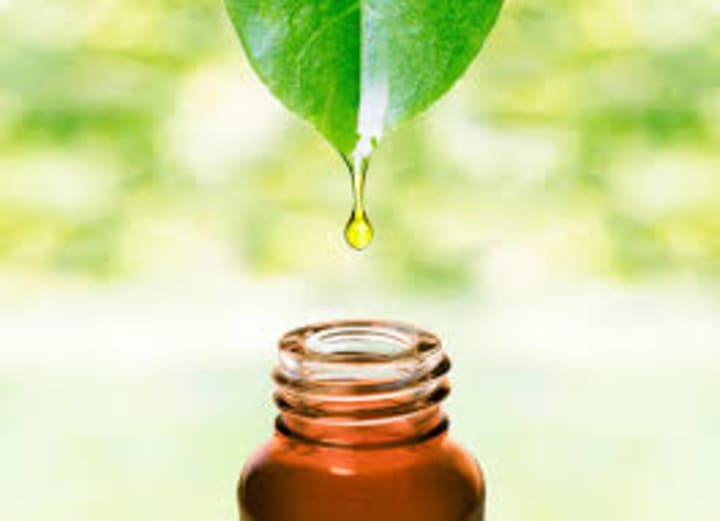
Essential oils from fruits and flowers—like lemon, rose, or lavender—are not just good for perfumes. Some of these oils have natural chemicals that can help weaken plastics.
In labs, scientists are testing how these oils might break down microplastics or stop them from forming in the first place. This research is still new, but it shows great promise.
5.A Greener Future
While fruits and flowers alone can’t solve the microplastic crisis, they offer natural, affordable, and eco-friendly solutions. These ideas are especially important for poor or rural areas that may not have access to modern technology.
By using everyday waste like peels and seeds, or planting more helpful flowers, communities can take small but powerful steps toward a cleaner world.
What You Can Do
Here are a few simple actions you can take:
Don’t litter: Always recycle and reduce your plastic use.
Support natural products: Choose clothes, cosmetics, and items made from natural materials.
Plant more: Grow flowers like lotus or marigold that can help clean water.
Reuse food waste: Compost or explore DIY methods using fruit peels for cleaning.
In Conclusion
Nature has always had its ways of healing and protecting the planet. Now, with the help of fruits and flowers, we may have a chance to fight back against the tiny but mighty problem of microplastics. As science and nature work together, we may soon see a future where even the smallest things—like an orange peel or a flower’s root—make a big difference.
About the Creator
Keep reading
More stories from Muhammad Farhad Khan and writers in Lifehack and other communities.
Finding Light in the Dark: Understanding Depression and Anxiety
Life is full of ups and downs. Everyone has good days and bad days. But sometimes, the bad days seem to last longer than they should. You may feel sad, tired, or worried for no clear reason. You may even feel like you’re stuck in a dark place with no way out. If you’ve ever felt like this, you’re not alone. Many people around the world go through something similar. These feelings are often signs of depression and anxiety.
By Muhammad Farhad Khan10 months ago in Lifehack
The Real Reason You’re Burned Out — And It’s Not Lack of Grit
Burnout gets framed as a personal failure. Not disciplined enough. Not organized enough. Not gritty enough. But here’s the truth: you’re not burned out because you’re weak. You’re burned out because you’re human — in a culture that demands you operate like a machine.
By Tracy Stine6 days ago in Lifehack
How to Save Money When You Live Paycheck to Paycheck
Saving money feels impossible when paying bills and putting food on the table becomes a weekly struggle. It seems like Pac-Man swoops in and gobbles up all the bills the second your paycheck hits the bank. But there’s always room to save. Life happens. It's better to be prepared for those rainy days than caught in the storm. Get your savings on by making small lifestyle changes. A few tweaks can help uncover money you didn’t realize you had. Put the money toward your nest egg and leave one worry behind. Check out the simple ways you can reduce costs and save money.
By Criminal Mattersa day ago in Lifehack



Comments
There are no comments for this story
Be the first to respond and start the conversation.