
The Natural Resources Defense Council: Ten of the least environmentally friendly foods
Food production, transportation, packaging, storage,
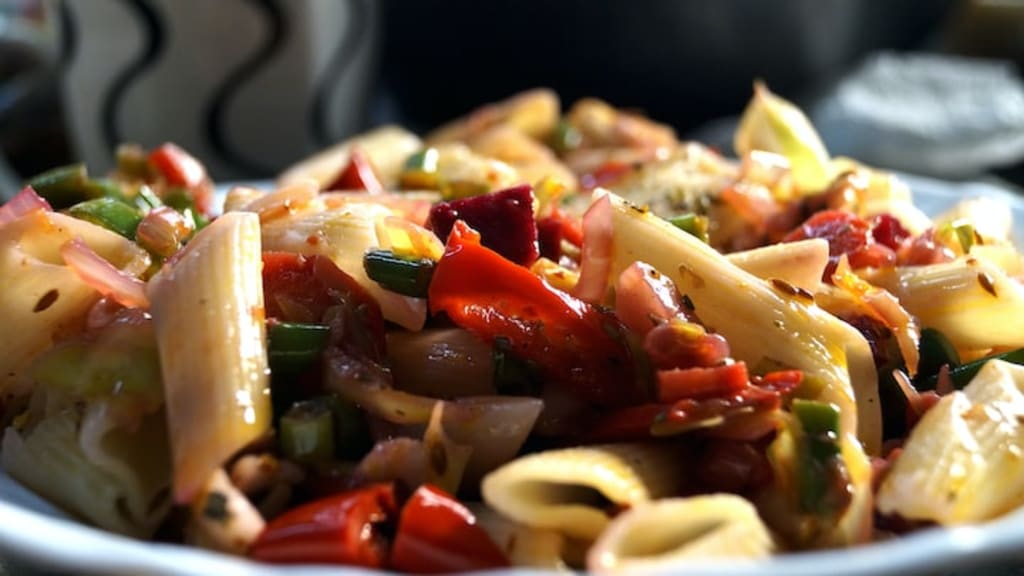
Food production, transportation, packaging, storage, cooking and other processes will emit carbon dioxide and other greenhouse gases. Different kinds of food produce different amounts of carbon dioxide. The Natural Resources Defense Council has come up with a list of the 10 most environmentally damaging foods based on the carbon emissions of food and the amount of food people buy.
1. Beef. According to the Natural Resources Defense Council, it's "the most climate-damaging food." Beef consumption is an important player in climate change: Producing cattle feed requires the use of pesticides and fertilizers, which require large amounts of fossil fuels such as coal and oil; Cows' digestive systems produce methane, which is 25 times more potent as a greenhouse gas than carbon dioxide; Cow manure decomposition also releases greenhouse gases... It is estimated that the production of 1 kilogram of beef requires 26.5 kilograms of carbon dioxide emissions, five times that of chicken. According to the Food and Agriculture Organization of the United Nations, the livestock sector accounts for 14.5 percent of the world's greenhouse gas emissions, of which 65 percent comes from cattle and dairy cows. According to the Natural Resources Defense Council, Americans are consuming 19 percent less beef than they did in 2005, saving 185 million tons of carbon dioxide annually -- the equivalent of pulling 39 million cars off the road each year.
2. Lamb. For every 1kg of lamb consumed, about 22.9kg of carbon dioxide is emitted. Sheep use a lot of feed (mostly resource-intensive corn and soybeans), and in the process of growing soybeans, fertilizers release a lot of nitrous oxide, which is 298 times more potent than carbon dioxide as a greenhouse gas.
3. Butter. Making 1 kilogram of butter produces about 12 kilograms of carbon dioxide, half as much as beef. Butter and beef are part of the same supply chain. While the United States has greatly reduced red meat consumption in recent years, the Natural Resources Defense Council reports that butter and other dairy products like cheese and yogurt surged in consumption between 2005 and 2014. Butter is the most climate-damaging of all dairy products because its production involves separating colostrum into low-fat milk and cream, sterilizing, freezing, fermenting and stirring it in a series of steps, each of which emits large amounts of carbon dioxide.
4. Shellfish. For every 1kg of shellfish produced, 11.7kg of CO2 is emitted. Along with milk and pork, shellfish is a staple of the American diet.
5. Cheese. Every 1kg of cheese produced emits 9.8kg of CO2. Cheese transported refrigerated or brought in from abroad tends to have a greater impact on the climate.
6. Asparagus. The production of asparagus produces 8.9 kilograms of carbon emissions for every 1 kilogram of asparagus. The main problem is air transport. Most asparagus in the United States is shipped from Latin America, resulting in a larger greenhouse gas footprint than truck-borne food.
7. Pork. One kilogram of pork produces 7.9 kilograms of carbon dioxide. The Natural Resources Defense Council estimates that between 2005 and 2014, Americans avoided about 271 million tons of greenhouse gas emissions by eating less pork, equivalent to taking 57 million cars off the road for a year.
8. Veal. Veal has less carbon emissions than beef because it is slaughtered at a younger age. The Natural Resources Defense Council estimates that each kilogram of veal emits 7.8 kilograms of carbon.
9. Chicken. Each kilogram of chicken emits just over 5 kilograms of carbon dioxide.
10. Turkey. Turkey has the same carbon footprint as chicken, emitting about 5 kilograms per kilogram of meat.
"The US list is a stark reminder that food also emits a lot of CO2." Zhang Jinliang, a researcher at the Environmental Health Risk Assessment and Research Center of the Chinese Academy of Environmental Sciences, said it also shows that the government, enterprises and individuals can make contributions to energy conservation and emission reduction from the perspective of the overall carbon emission trajectory of all aspects of food production and circulation, on the premise of ensuring diet nutrition.
Individual meal collocation should be reasonable. According to individual nutritional needs and physical conditions, food carbon emissions should be taken into consideration. Excessive packaging and processing of food should be rejected. When cooking, eat less red meat and more white meat, vegetables and fruits such as chicken and duck, which is not only beneficial to health, but also more low-carbon environmental protection. Public canteens should also consider food nutrition and carbon emissions.
Companies need to reduce carbon emissions in the food distribution chain. One is to reduce the refrigeration time of meat and fish; Second, reduce vegetable transportation links, can consider the origin of vegetables picked after direct supply to residents; Third, reduce packaging.
The government should vigorously develop scientific and technological innovation and rationally distribute agriculture and animal husbandry. On the one hand, advances in storage, logistics, breeding, production and processing technology can reduce energy consumption in intermediate links; On the other hand, the rational distribution of agriculture and animal husbandry can drive the energy conservation and emission reduction of the whole industry.
About the Creator
The Surprising Way Positive Thinking Can Change Your Life
Let me tell you the story of how I almost didn't win a car. Yup. You've heard it right. A car. But we almost didn't enter the raffles, thinking "Well, out of the thousands that applied, it's impossible to win".
By Anie Liban2 days ago in Lifehack



Comments
There are no comments for this story
Be the first to respond and start the conversation.