
The Magical Thinking of Weight Loss
Health and fitness

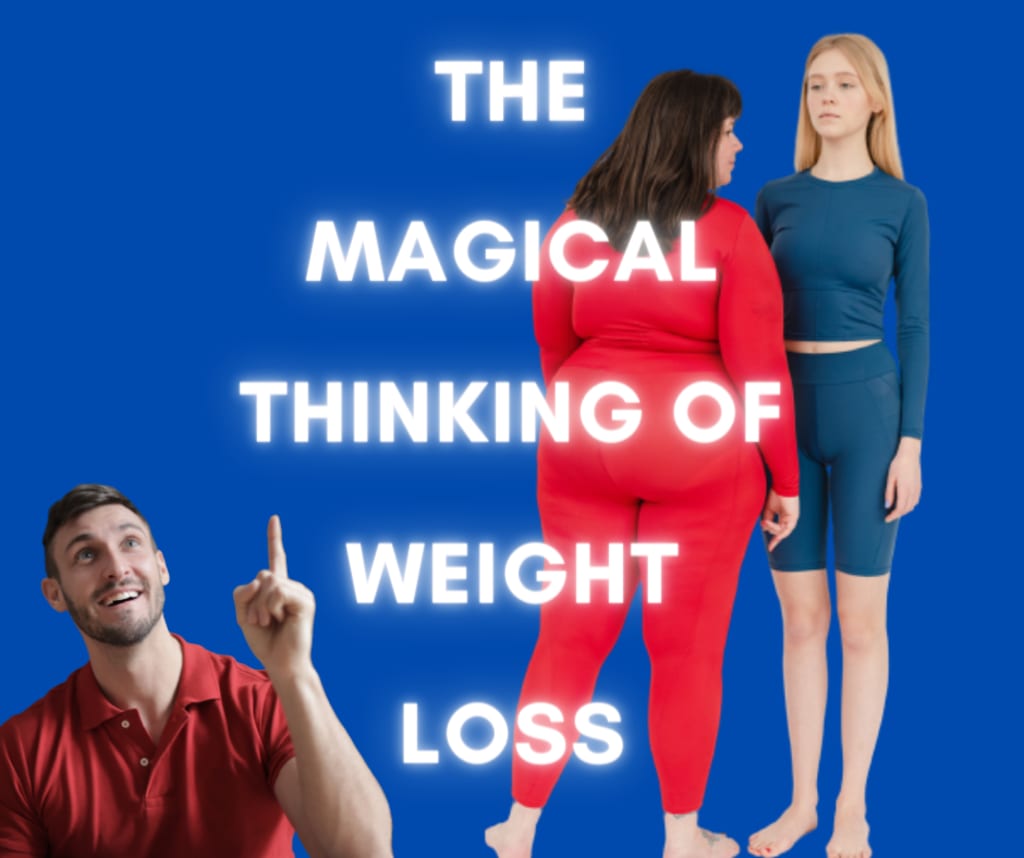
Weight loss has become one of the most popular topics in recent times. The obsession with losing weight and having a perfect body has taken over people’s minds and lifestyles. People often resort to quick fixes and fad diets to lose weight, which can have disastrous effects on their health. In this article, we will explore the magical thinking of weight loss and why it is not a sustainable approach to a healthy lifestyle.
The magical thinking of weight loss refers to the belief that weight loss is a simple and straightforward process that can be achieved with a quick fix or a single change. This thinking is based on the idea that weight loss is a one-time event that can be achieved through a quick diet or a pill. Unfortunately, this is not the case. Weight loss is a complex process that requires a combination of healthy habits, patience, and persistence.
The first and most important factor that contributes to magical thinking is the unrealistic expectation of rapid weight loss. Many people expect to see results in a matter of days or weeks, but the truth is that weight loss is a slow process. A healthy rate of weight loss is around one to two pounds per week, and anything more than that can have serious consequences for your health. Rapid weight loss can result in muscle loss, fatigue, and other health problems.
Another factor that contributes to magical thinking is the belief in quick fixes and fad diets. There are countless diets that promise to help you lose weight quickly, but most of them are not sustainable or healthy. Fad diets often restrict certain foods or require you to eat only specific foods, which can result in nutrient deficiencies and other health problems. Moreover, once you stop following the diet, you are likely to regain the weight you lost, making the whole process a waste of time and effort.
The obsession with weight loss can also lead to disordered eating habits, such as skipping meals, binging, and purging. These habits can have serious consequences for your physical and mental health, including malnutrition, anxiety, and depression. Moreover, disordered eating habits can make it difficult to lose weight in the long run and can even result in weight gain.
Another factor that contributes to the magical thinking of weight loss is the focus on the scale. People often become obsessed with the number on the scale, but this is not an accurate indicator of health or progress. Muscle weighs more than fat, so if you are building muscle, you may not see a decrease in weight on the scale, but you will see a decrease in body fat and an improvement in your overall health.
Finally, the magical thinking of weight loss can lead to a negative body image and self-esteem issues. People often focus on the number on the scale or the size of their clothes rather than on their overall health and well-being. This can lead to feelings of shame, frustration, and disappointment, and can have serious consequences for your mental health.
In conclusion, the magical thinking of weight loss is not a sustainable approach to a healthy lifestyle. Weight loss is a slow and complex process that requires a combination of healthy habits, patience, and persistence. Rapid weight loss and quick fixes are not only unhealthy but also result in weight gain and other health problems. To achieve a healthy weight, focus on nourishing your body with healthy foods, engaging in regular physical activity, and building a positive relationship with your body. Remember that weight loss is just one aspect of a healthy lifestyle, and that your overall health and well-being should be your primary focus.
In conclusion, the magical thinking of weight loss is a trap that many people fall into, and it is essential to approach weight loss with a healthy mindset. Rather than focusing on quick fixes and fad diets, focus on building healthy habits.
Thank You!
About the Creator
Sofia_Meily
I am introduce best poduces in the world.
Keep reading
More stories from Sofia_Meily and writers in Lifehack and other communities.
Perfectly Imperfect: Misfits Matter – An Exploration of Uniqueness
Perfectly Imperfect: Misfits Matter – An Exploration of Uniqueness is a book that celebrates individuality and imperfection, offering a refreshing perspective on the societal norms and pressures to conform. The author argues that it is our imperfections and differences that make us unique and special, and encourages readers to embrace their individuality.
By Sofia_Meily3 years ago in Lifehack
Crucial Health and Safety Practices Every Employer Must Enforce
Creating a safe workplace isn't just about meeting legal obligations—it’s about building a sustainable, ethical, and high-performing business. When companies prioritize employee well-being, they reduce the risk of injuries, legal consequences, and operational disruptions. OSHA and other regulatory bodies have laid down clear guidelines to help employers maintain secure environments. These rules are designed to prevent accidents and illnesses, but their real value lies in protecting the people who keep businesses running.
By Dr. Todd Young7 days ago in Lifehack
The Truth in My Lab Report: How I Slashed My Triglycerides and Changed My Cholesterol for Good
My Lipid Wake-Up Call: How Untangling Triglycerides vs. Cholesterol Changed My Health (And Probably Saved Me) Let’s be real. For years, the words from my doctor’s office just washed over me. A mumbled monologue about “lipid panels,” “numbers,” and “cardiovascular risk.” I’d nod, see a few flagged results on my printout—usually something about triglycerides and LDL—feel a pinch of worry, and then… life would happen. I’d grab a quick sandwich, skip the gym because I was tired, and tell myself I’d deal with it later. The confusion itself was a comfort zone. If I didn’t truly understand it, I couldn’t be fully responsible for fixing it, right?
By John Arthor7 days ago in Lifehack




Comments
There are no comments for this story
Be the first to respond and start the conversation.