
The Loneliest Generation
When Technology Connects Us but Leaves Us Alone

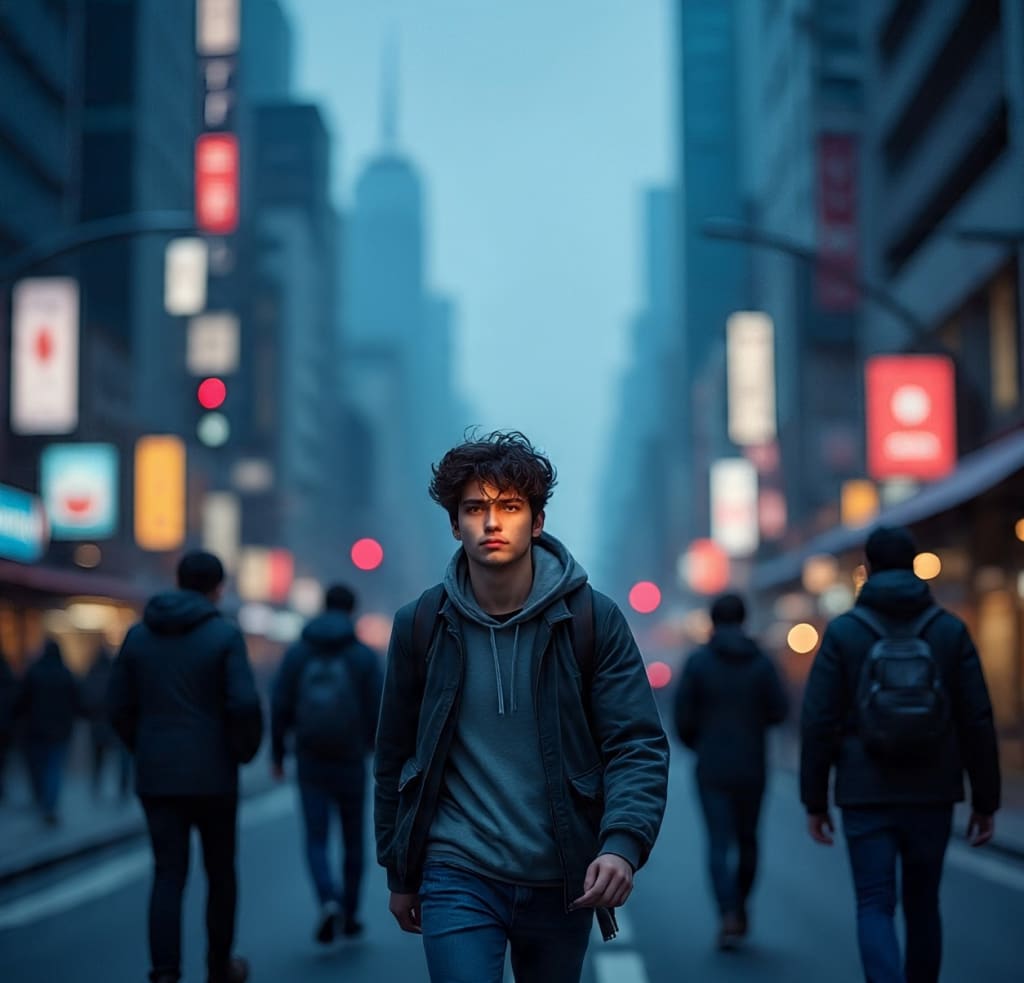
Emma woke up to the familiar buzz of her phone, a soft vibration that pulled her from sleep into a world of endless notifications. Messages from friends she hadn’t spoken to in weeks, Instagram stories of people traveling, laughing, living lives that seemed brighter than her own. She scrolled, double-tapped, smiled at pictures, but inside, a quiet emptiness gnawed at her.
By mid-morning, she was already tired, though the day had barely begun. Work emails, social media alerts, reminders for virtual meetings—it was as if every ping was another weight on her chest. She told herself she was connected, that she was living a full life. And yet, the deeper truth remained: she felt invisible, unanchored, alone.
Across the city, Jake sat in his apartment, headphones drowning out the world. He watched friends tag each other in events he wasn’t invited to, read group chats where he contributed little more than a “😂” or a “👍.” He had followers, friends, contacts—but when the room grew quiet at night, the silence pressed against him like water filling his lungs.
They were not alone in this. Studies showed that loneliness among young adults was climbing, reaching levels experts hadn’t seen in decades. Technology, which promised connection, had created a paradox: the more people could reach each other, the less they actually did.
Emma tried to fight it. She made plans to meet friends, to attend events, to “show up” in the real world. But the gatherings were often shallow. Conversations looped around surface topics—jobs, memes, TV shows—never touching the deeper currents. By the time she walked home, the laughter she heard on the streets only accentuated the hollow echo in her apartment.
Jake experienced the same frustration. Zoom calls, Slack messages, group chats—he was always “present” in a digital sense. But the warmth of someone looking him in the eye, sharing a thought, a fear, a story—those moments were rare. The city was full of people, but somehow, it felt like there was a wall between him and everyone else.
One Friday evening, Emma decided to try something different. She left her phone at home, told herself she would go outside and simply be present. She wandered into a small community garden tucked between apartment buildings, where people were planting flowers, swapping small-talk and smiles. She didn’t know anyone there, but she paused, listened, and for the first time in months, felt a connection not mediated by screens.
Jake, on the other side of town, joined a volunteer program at a local shelter. The work was physical, immediate, and unfiltered. He laughed with strangers, helped carry boxes, fed animals, and for a few hours, his heart felt lighter. No likes, no shares—just real, human presence.
These moments didn’t erase the loneliness. The social media feeds were still there, the notifications still buzzed, the world remained chaotic. But Emma and Jake realized something vital: connection wasn’t in the scrolling, it was in the showing up. It was in conversations where phones stayed in pockets. It was in hands held, voices heard, time spent.
And the irony of their generation was clear. We have more tools than ever to communicate, yet genuine communication feels scarce. We have infinite channels to reach out, yet we rarely take the moments that truly matter. Loneliness is no longer a private experience; it is a defining feature of the modern era.
Emma began small: calling a friend instead of texting, meeting a neighbor for coffee, writing letters to family. Each act felt radical in its simplicity. Jake did the same: he organized small dinners, asked meaningful questions, listened more than he spoke. Gradually, they discovered that connection isn’t viral—it’s visceral.
By the end of the year, both felt a subtle shift. They weren’t cured of loneliness; no one ever truly is. But they had glimpsed a different way to live. A life where presence mattered more than presentation, where the weight of silence was met with conversation rather than avoidance.
The generation labeled “lonely” isn’t doomed. It is learning, painfully and beautifully, that while technology can reach our fingers, it cannot reach our hearts. To find connection in an age of constant connectivity, we must look up from our screens, step outside our virtual lives, and remember how to be present.
Because in the end, no algorithm, no notification, no digital applause can replace the simple truth: we are human, and we are meant to be seen, heard, and felt.
About the Creator
Muhammad Ilyas
Writer of words, seeker of stories. Here to share moments that matter and spark a little light along the way.
Keep reading
More stories from Muhammad Ilyas and writers in Lifehack and other communities.
Four Ways To Extend the Lifespan Of Your Natural-Materials Home
Homes made from natural materials have unique needs to support their longevity. Homes made from natural materials can have a long lifespan and use energy more efficiently than standard materials. You can extend the lifespan of those materials with certain products and practices.
By Andrew Lemieux7 days ago in Lifehack
Digital Well-Being
We live in a time where the internet is not just a tool — it is an environment. From the moment we wake up to the moment we fall asleep, screens shape how we think, work, communicate, and relax. Technology connects us instantly, but constant connection can quietly drain our attention, energy, and peace of mind. Digital well-being is the practice of using technology in a way that supports — rather than harms — our mental, emotional, and physical health.
By shaoor afridi3 days ago in Lifehack



Comments
There are no comments for this story
Be the first to respond and start the conversation.