
The Lasting Impact of First Love
How Our Earliest Romantic Experiences Shape Future Relationships

First love is often described as unforgettable, intense, and deeply emotional. It’s the kind of experience that lingers in our hearts long after it has passed—etched into our memories with vivid clarity. Whether it ended in heartbreak or evolved into something long-term, first love has a powerful influence on how we see ourselves, how we relate to others, and how we approach love in the future.
But why does first love leave such a lasting impact? Is it just nostalgia, or is there something deeper at play in the way early romantic experiences shape our emotional development? Let’s explore how our first encounter with romantic love becomes a blueprint for our relationships, self-worth, and even our emotional resilience.
1. The Psychology Behind First Love
First love often happens during adolescence or early adulthood, a time when our brains and identities are still developing. During this stage, emotional experiences tend to be intense and meaningful. The combination of emotional vulnerability, hormonal changes, and newfound independence makes first love feel all-consuming.
From a neurological perspective, love activates the brain’s reward system—particularly the release of dopamine, the “feel-good” chemical. The highs of being in love for the first time can be compared to the effect of addictive substances: it feels euphoric, thrilling, and completely immersive. Because it's a first, there's no emotional comparison yet—everything is new, raw, and unfiltered.
These emotional highs and lows carve strong memories into our neural pathways. That’s why even decades later, people can recall their first love with vivid clarity, sometimes even with a bittersweet ache.
2. First Love as an Emotional Blueprint
Just like early childhood experiences influence our attachment styles, first love plays a foundational role in shaping how we connect emotionally. For many, it’s their first experience of intimacy, vulnerability, trust, and emotional interdependence.
If your first relationship was nurturing, respectful, and emotionally safe, it may lead to more positive expectations in future relationships. You’re more likely to trust, communicate openly, and believe in long-term love.
On the other hand, if the first love experience involved betrayal, neglect, or emotional trauma, it can lead to trust issues, fear of abandonment, or anxiety in future relationships. People may find themselves building emotional walls or repeating toxic patterns, even when they want healthy love.
3. The Role of First Heartbreak
Heartbreak is almost synonymous with first love. Very few first relationships last a lifetime, which means most people associate their first love with the pain of loss. But that heartbreak is also a rite of passage—it teaches us about grief, healing, and emotional resilience.
The first time we experience rejection or emotional pain at such a deep level, we also learn what it means to move on. We learn that we can survive emotional storms, rebuild our identity, and love again. This painful but transformative process teaches emotional maturity.
Some people carry their first heartbreak into adulthood unresolved, which can show up as fear of intimacy or difficulty letting others in. Others take those lessons and become more emotionally intelligent, better partners in their next relationship.
4. Idealization and the "First Love Myth"
Time tends to romanticize the past. First love, viewed through the lens of nostalgia, can seem perfect—even if it wasn’t. We tend to remember the best parts: the butterflies, the excitement, the feeling of being chosen. This can lead to idealization, where the memory of first love becomes a “standard” that no future partner can match.
This myth of the perfect first love can be both beautiful and dangerous. On one hand, it keeps a sense of romance alive. On the other hand, it can lead to dissatisfaction in current relationships, especially when people compare present love with a romanticized version of the past.
It’s important to recognize that first love was likely imperfect, like all human experiences. Growth happens when we learn to appreciate the present for what it is, without living in the shadow of what was.
5. Lessons Learned from First Love
Despite how it ends, first love is a teacher. It introduces us to the language of emotional expression. It shows us how to compromise, to be patient, to feel jealousy, to give and receive affection, and to handle disappointment. These lessons become the foundation for all future emotional interactions.
Some lessons include:
Self-awareness: We begin to understand what we need from a partner and what we’re willing to give.
Boundaries: We learn what behaviors we’ll tolerate and what crosses the line.
Communication: We develop skills to express our feelings, needs, and conflicts.
Empathy: We gain insight into how our actions affect others emotionally.
These tools, once learned, influence the kind of partner we become in future relationships.
6. Reconnecting with First Love: A Double-Edged Sword
In today’s digital world, reconnecting with a first love has become easier than ever. Social media and messaging apps make it possible to find and even rekindle relationships that once felt long lost. Some people do find renewed happiness with a past love, but this path can also be emotionally risky.
Often, we’re not going back to the person—we’re going back to a version of ourselves we miss. Reconnecting may stir old feelings, but those feelings are sometimes rooted more in memory than reality. If both people have grown and healed, a second chance can work. But it’s essential to approach it with emotional honesty and clear expectations.
7. Moving Forward: Embracing First Love as a Chapter, Not the Whole Book
First love is important, but it doesn't define you. It’s a chapter in your emotional story, not the entire narrative. As we grow, we develop new layers of emotional depth. Future relationships, when approached with awareness and maturity, can be deeper, more stable, and more fulfilling.
The key is to honor first love without being trapped by it. Appreciate it for what it was: a beginning. Let it teach you. Let it move you. And then let it propel you into better, more conscious connections.
About the Creator
Janat
People read my topics because of thoughtful insights that bridge the gap between complex ideas and everyday understanding. I focus on real-world relevance,—making each read not just informative, but meaningful.
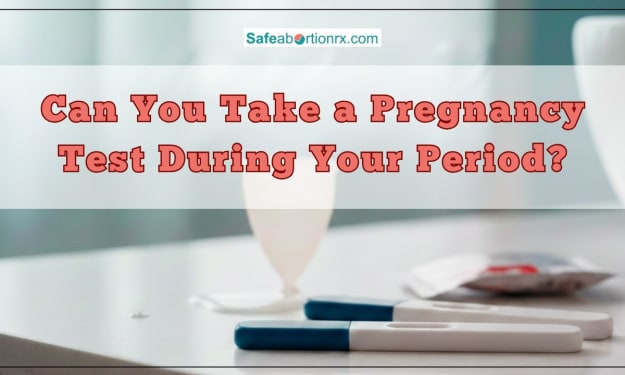
Can You Take a Pregnancy Test During Your Period?
During menstruation, women experience vaginal bleeding for a few days. This is a biological activity where the body expels the unfertilized eggs following a cycle. The period blood usually contains the uterine lining and eggs that never mated sperm. A pregnancy while you are on period is usually not possible.
By Alice Perryabout 17 hours ago in Lifehack



Comments (1)
Wonderful