
The Ketogenic Meal
Unlocking the Power of Healthy Fats

Introduction
In a world saturated with fad diets and conflicting nutritional advice, the ketogenic meal stands out as a scientifically-backed approach to weight loss and overall health improvement. This low-carbohydrate, high-fat meal plan has gained popularity due to its ability to promote ketosis—a metabolic state where the body primarily burns fat for energy. In this article, we will explore the principles behind a ketogenic meal, its potential benefits, and how to incorporate it into your lifestyle for optimal health.
Understanding the Ketogenic Meal
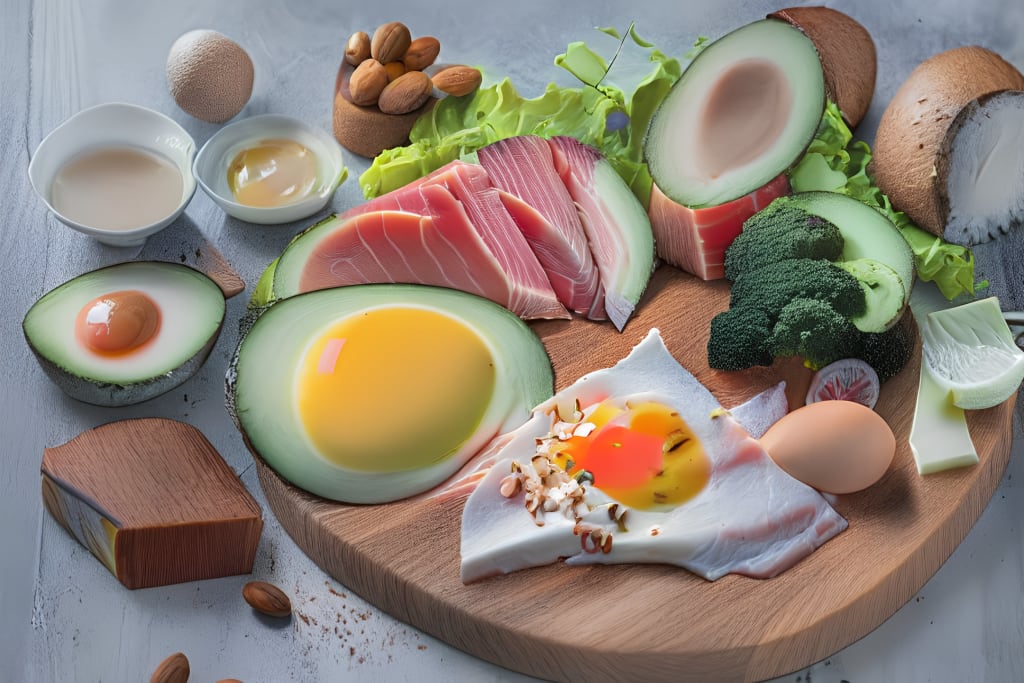
At the core of a ketogenic meal lies a significant reduction in carbohydrate intake, which forces the body to utilize fat as its primary fuel source. By drastically limiting carbohydrates and increasing healthy fat consumption, the body enters a state of ketosis. A typical ketogenic meal focuses on whole foods rich in healthy fats such as avocados, nuts, seeds, coconut oil, olive oil, and fatty fish. This meal plan encourages moderate protein intake to support muscle growth and repair, while carbohydrates are kept to a minimum to maintain ketosis.
The Power of Healthy Fats
Contrary to popular belief, healthy fats play a vital role in a ketogenic meal. These fats provide a concentrated source of energy and essential nutrients. Avocados, for instance, are a nutrient-dense fruit packed with heart-healthy monounsaturated fats. Coconut oil and its medium-chain triglycerides (MCTs) have been associated with increased energy levels and improved brain function. Olive oil, rich in antioxidants, possesses anti-inflammatory properties and aids in the absorption of fat-soluble vitamins. Embracing healthy fats not only enhances satiety but also supports overall well-being.
Balancing Protein Intake
Protein is an essential component of a ketogenic meal, as it promotes muscle maintenance, repair, and satiety. High-quality protein sources, including grass-fed meats, free-range poultry, wild-caught fish, and eggs, should be incorporated into the meal plan. However, it is crucial to strike a balance to avoid an excess intake of protein, which could potentially hinder ketosis through gluconeogenesis—the conversion of protein into glucose. Moderation ensures that protein supports overall health without compromising the metabolic state of ketosis.
Restricting Carbohydrates
A defining feature of the ketogenic meal is its strict limitation of carbohydrates, particularly refined sugars, grains, and starchy foods. Instead, non-starchy vegetables like leafy greens, broccoli, cauliflower, and berries are favored due to their lower carbohydrate content. This restriction on carbohydrates leads to a reduction in blood sugar and insulin levels, facilitating fat burning and weight loss. Moreover, lower carbohydrate intake can help regulate appetite, improve insulin sensitivity, and even provide potential benefits for individuals with type 2 diabetes or metabolic syndrome.
Health Benefits of the Ketogenic Meal
Beyond weight loss, the ketogenic meal offers a range of potential health benefits. Studies have shown that a well-formulated ketogenic diet may help improve insulin resistance, promote better blood sugar control, and reduce inflammation markers. Additionally, ketosis has been associated with increased mental clarity, improved focus, and sustained energy levels throughout the day. Some research suggests that the ketogenic diet may also have therapeutic applications in neurological conditions such as epilepsy and Alzheimer's disease. However, it's important to note that individual responses to the ketogenic meal may vary, and consulting with a healthcare professional is advisable.
Incorporating the Ketogenic Meal into Your Lifestyle
If you're considering adopting a ketogenic meal plan, it's crucial to approach it as a sustainable lifestyle change rather than a short-term fix. Start by gradually reducing your carbohydrate intake while increasing healthy fat consumption. Experiment with different recipes and meal ideas to keep your meals exciting and varied. Tracking your macronutrient intake using apps or consulting with a registered dietitian can help ensure you're meeting your nutritional needs while staying within the ketogenic parameters. Remember to listen to your body and make adjustments as necessary to optimize your health and well-being.
Read about Ketogenic meal Here
Conclusion
The ketogenic meal offers a unique approach to nutrition, emphasizing healthy fats, moderate protein, and restricted carbohydrates. By embracing this eating plan, individuals can unlock the potential benefits of weight loss, improved metabolic health, increased mental clarity, and sustained energy levels. However, it's important to personalize the ketogenic meal to fit your individual needs and consult with a healthcare professional before making any significant dietary changes. With proper guidance, the ketogenic meal can be a valuable tool in your journey toward optimal health.
About the Creator
Keep reading
More stories from writers in Lifehack and other communities.
Living in Baltimore, Maryland: Everyday Life Across Neighborhoods and Traditions
Baltimore, Maryland, is a city shaped by contrast. Historic rowhouses stand beside modern developments, quiet residential blocks exist just minutes from busy commercial corridors, and long-standing traditions blend with new ways of living. Daily life in Baltimore is not defined by a single pace or identity but by the ability of residents to navigate variety, adapt to change, and build routines that reflect both community and individuality.
By House Doctor6 days ago in Lifehack
Essential Differences Between MMA Flooring and Epoxy Flooring Systems
Ever walk into a big store, a hospital, or maybe even a high-end garage and catch yourself thinking, “Wow, that floor actually looks great—what’s it made of?” Turns out, there’s a good chance you’re standing on either MMA flooring or epoxy flooring. These two pop up all over the place, and for good reason. People pick them for all sorts of different spaces. At a glance, they seem pretty similar. But trust me, they’re not the same at all.
By Muhammad Hanzla2 days ago in Lifehack
Instructions Included Challenge Winners
For the Instructions Included challenge, we asked writers to tell a story through instructions and to trust the form to carry what could not be said outright. Across the top entries, that trust paid off in many different ways.
By Vocal Curation Team6 days ago in Resources


Comments
There are no comments for this story
Be the first to respond and start the conversation.