

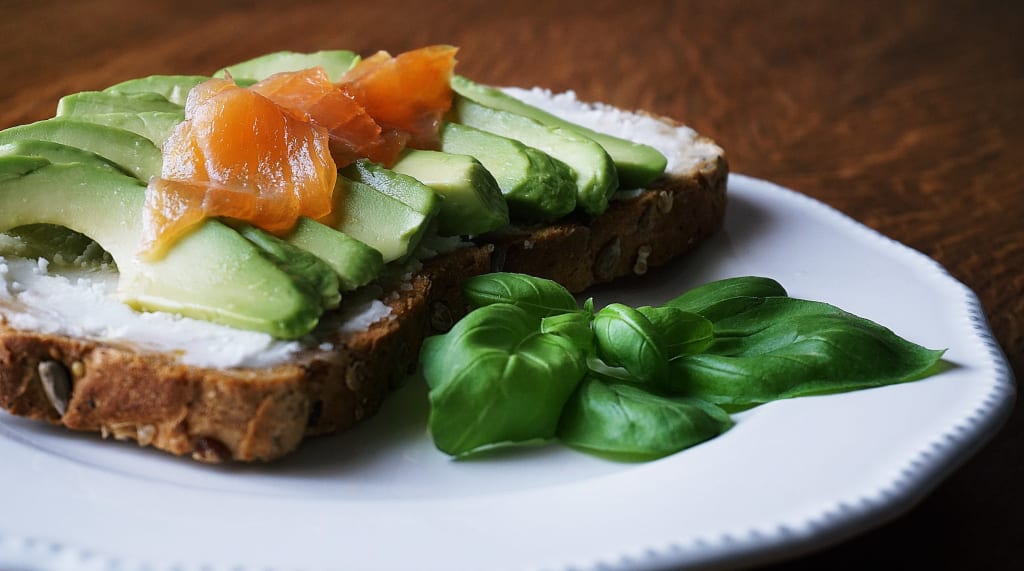
Create a calorie deficit: To lose weight, you need to consume fewer calories than you burn. Calculate your daily caloric needs and then reduce that number to create a deficit.
Eat more protein: Protein can help you feel fuller for longer, which can lead to decreased calorie intake and weight loss. Aim to include protein in every meal and snack.
Avoid sugary drinks: Sugary drinks, such as soda and fruit juice, contain a lot of calories and little nutritional value. Try to replace them with water, unsweetened tea or coffee.
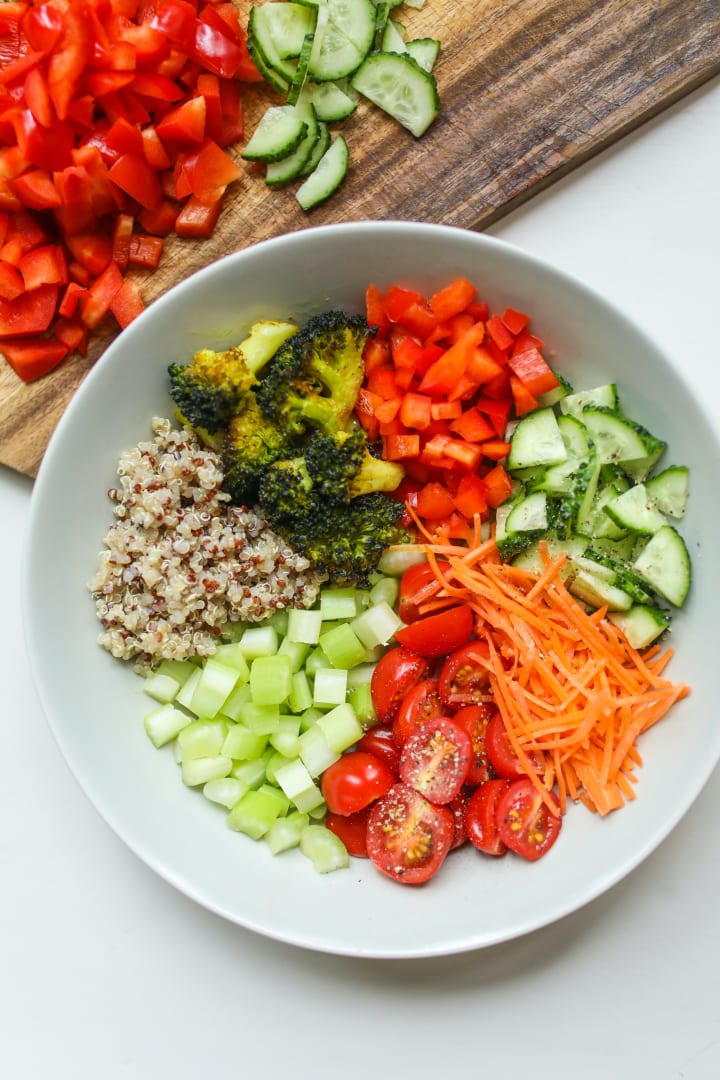
Incorporate more fruits and vegetables: Fruits and vegetables are low in calories and high in fiber, which can help you feel full and satisfied. Try to eat a variety of colorful fruits and vegetables to get a range of nutrients.
Reduce your portion sizes: Pay attention to the amount of food you're eating, and try to reduce your portion sizes gradually over time.
Avoid eating late at night: Eating late at night can contribute to weight gain, so try to finish your last meal a few hours before bedtime.
Get active: Regular physical activity, such as going for a walk or doing a workout, can help you burn calories and lose weight. Aim for at least 30 minutes of moderate-intensity activity most days of the week.
Remember, weight loss is a gradual process and it's important to make sustainable changes to your lifestyle. It's also important to talk to a doctor before starting any new diet or exercise regimen, especially if you have any medical conditions
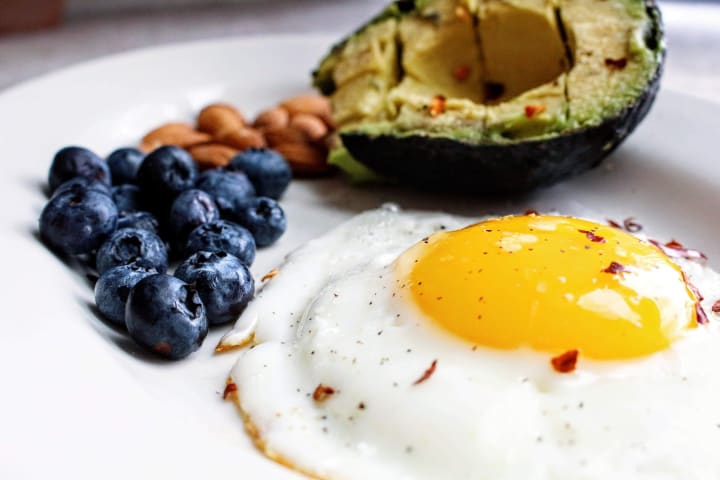
THE KETOGENIC DIET PLAN
ketogenic diet, also known as the "keto diet", is a low-carb, high-fat diet that has been gaining popularity in recent years for its ability to promote weight loss and overall health. The goal of the keto diet is to put your body in a state of ketosis, where it burns fat for fuel instead of carbohydrates. If you're looking to lose 5 kilograms in a month, the keto diet could be a viable option for you. However, it's important to keep in mind that rapid weight loss is not always sustainable and can come with potential health risks. It's always best to consult with a healthcare professional before starting any new diet.
The basics of the keto diet:
The keto diet is based on the principle of limiting carbohydrate intake and increasing fat intake. This shift in macronutrient intake is what puts your body in a state of ketosis and helps it burn fat for fuel. The typical macronutrient breakdown of the keto diet is as follows:
• Fat: 70-75% of daily calorie intake
• Protein: 20-25% of daily calorie intake
• Carbohydrates: 5-10% of daily calorie intake
To achieve these macronutrient targets, you'll need to limit your carbohydrate intake to less than 50 grams per day, while also increasing your fat and protein intake. The specific macronutrient ratios can vary based on individual needs and goals, so it's important to work with a healthcare professional to determine the right macronutrient ratios for you.

What to eat on the keto diet:
On the keto diet, your diet should primarily consist of healthy fats, such as olive oil, coconut oil, avocados, nuts, and seeds. You should also include moderate amounts of protein, such as meat, poultry, fish, and eggs. When it comes to carbohydrates, your options are limited, but you can still eat non-starchy vegetables, such as spinach, kale, and broccoli, to get some fiber and vitamins.
Here is a sample keto diet plan for a day:
• Breakfast: A high-fat breakfast of eggs cooked in coconut oil, with spinach and mushrooms.
• Lunch: Grilled chicken with a side of roasted asparagus and a salad made with lettuce, avocado, and a high-fat dressing.
• Dinner: Grilled salmon with a side of roasted brussels sprouts and a Caesar salad made with romaine lettuce, chicken, and a high-fat dressing.
• Snacks: Macadamia nuts, cheese, and olive oil.
Foods to avoid on the keto diet:
To maintain a state of ketosis and promote weight loss, you'll need to avoid high-carbohydrate foods, such as bread, pasta, rice, fruits, and sugary snacks and drinks. You should also limit your alcohol intake, as alcohol contains a large amount of carbohydrates.
Potential benefits of the keto diet:
The keto diet has been shown to have several potential health benefits, including weight loss, improved insulin sensitivity, increased energy levels, and improved mental clarity.
About the Creator
Phoenix, Arizona: The City That Learned to Grow With the Desert
When people first arrive in Phoenix, Arizona, the landscape can feel almost surreal. The vast Sonoran Desert stretches outward with towering saguaro cacti, rugged mountains, and wide skies that shift colors dramatically at sunset. At first glance, it seems like an unlikely place for a major metropolitan area.
By House Doctor4 days ago in Lifehack
Soft Rugs for Bedroom Creating a Cozy and Comfortable Space
Every element in the room should contribute to a calm and inviting atmosphere. One of the easiest ways to enhance both comfort and style in a bedroom is by adding a soft rug. Soft rugs for bedroom spaces not only improve the appearance of the room but also create a warm and comfortable surface that makes daily routines more pleasant.
By Nandini Shukla6 days ago in Lifehack




Comments
There are no comments for this story
Be the first to respond and start the conversation.