
The Importance of Skin Care
Tips for Healthy and Radiant Skin
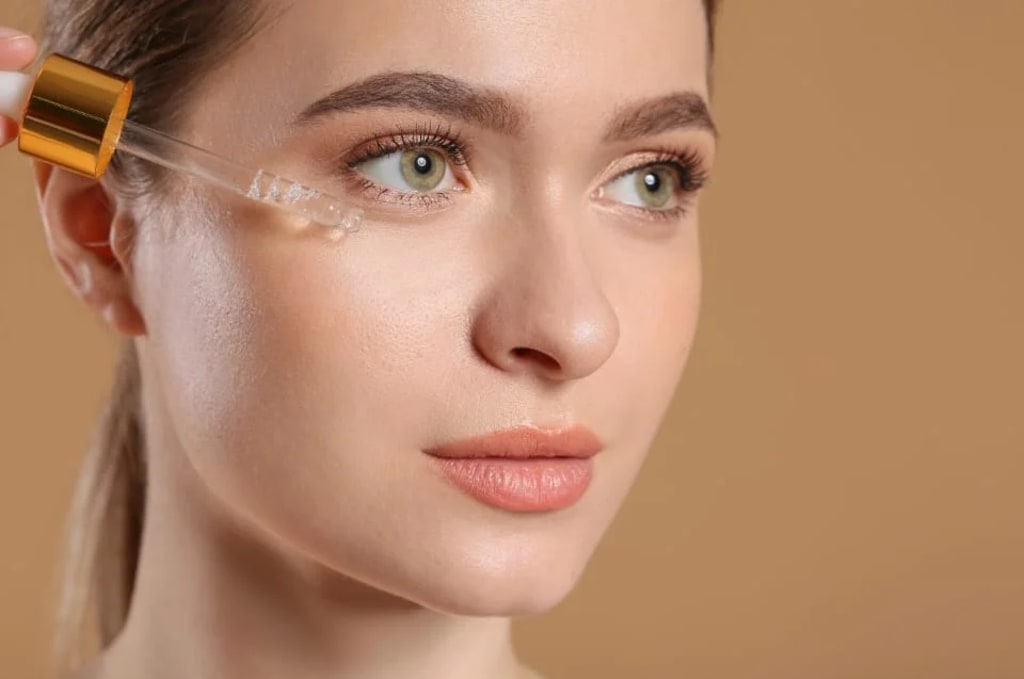
Skin care is an essential aspect of overall health and wellness, often reflecting our internal well-being and lifestyle choices. A good skin care routine helps maintain the integrity and appearance of the skin, providing protection from environmental damage, and promoting a radiant and youthful look. Whether you are dealing with acne, aging, or simply want to maintain healthy skin, understanding the basics of skin care is crucial.
Understanding Your Skin Type
The first step in any skin care regimen is identifying your skin type. Skin can generally be categorized into five types: normal, oily, dry, combination, and sensitive.
1. *Normal Skin: Well-balanced, with minimal imperfections and a smooth texture.
2. Oily Skin: Characterized by excess sebum production, leading to a shiny appearance and larger pores.
3. Dry Skin: Lacks moisture, often feeling tight and rough, with a tendency to flake.
4. Combination Skin: Exhibits traits of both oily and dry skin, typically with an oily T-zone (forehead, nose, and chin) and dry cheeks.
5. Sensitive Skin: Prone to redness, irritation, and allergic reactions.
Knowing your skin type allows you to choose the appropriate products and treatments tailored to your specific needs.
Daily Skin Care Routine
A consistent daily skin care routine forms the foundation of healthy skin. Here are the key steps:
1. Cleansing: Remove dirt, oil, and impurities with a gentle cleanser suited to your skin type. Cleansing twice a day, morning and night, helps keep the skin clean and prevents breakouts.
2. Exfoliating: Exfoliate 1-2 times a week to remove dead skin cells, unclog pores, and promote cell turnover. Be gentle to avoid irritation, especially if you have sensitive skin.
3. Toning Toners help balance the skin's pH, remove any leftover impurities, and prepare the skin for better absorption of subsequent products. Choose alcohol-free toners to avoid drying out your skin.
4. Moisturizing: Hydration is key for all skin types. Moisturizers help lock in moisture, keeping the skin soft, smooth, and supple. Opt for a lightweight, non-comedogenic moisturizer if you have oily skin, and a richer formula if you have dry skin.
5. Sun Protection: Apply a broad-spectrum sunscreen with at least SPF 30 every day, regardless of the weather. Sunscreen protects the skin from harmful UV rays, preventing premature aging, sunburn, and skin cancer.
Targeted Treatments
Beyond the basics, incorporating targeted treatments can address specific skin concerns:
1. Serums: Concentrated formulas that deliver active ingredients like vitamin C, hyaluronic acid, or retinol directly to the skin. Choose serums based on your needs—anti-aging, brightening, or hydrating.
2. Masks: Use facial masks 1-2 times a week to provide a deeper treatment. Clay masks can help absorb excess oil, while hydrating masks can replenish moisture.
3. Spot Treatments: For acne or dark spots, spot treatments with ingredients like salicylic acid, benzoyl peroxide, or niacinamide can be effective in reducing blemishes and discoloration.
Lifestyle Factors
Healthy skin is not just about external care; lifestyle factors also play a significant role:
1. Diet:A balanced diet rich in antioxidants, vitamins, and minerals supports skin health. Foods like fruits, vegetables, nuts, and fish are beneficial.
2. Hydration: Drinking enough water is crucial for maintaining skin hydration and elasticity.
3. Sleep: Quality sleep allows the skin to repair and regenerate. Aim for 7-9 hours of sleep per night.
4. Stress Management:Stress can trigger skin issues like acne and eczema. Practices like meditation, yoga, and regular exercise can help manage stress levels.
Conclusion
Effective skin care is a combination of understanding your skin type,
About the Creator
Keep reading
More stories from shumaila bibi and writers in Lifehack and other communities.
Relation
In the tapestry of human well-being, mental health and physical health are two threads so closely intertwined that it's impossible to affect one without touching the other. For too long, these aspects of health have been treated as separate entities, with mental health often being sidelined or stigmatized. However, a growing body of evidence and a shift in public consciousness are highlighting the critical interplay between what goes on in our minds and the state of our bodies. This article delves into the complex relationship between mental health and physical health, exploring how they influence each other and why a holistic approach to well-being is essential.
By shumaila bibi2 years ago in Education
You're alone, because you're lost
Being alone is a fear that one in three adults face WORLDWIDE. Why? Are we scared to be alone because we are faced with all of our thoughts we once tried to suppress? Or are we scared because we feel uncomfortable? Uncomfortable with the idea of being in a room with just you. You and your nasty thoughts. Thoughts like “Damn I should've apologized”, or “Why hasn't he texted me back?” or “I am a failure”. Yea. those thoughts. The forbidden thoughts that come sneak by the midnight hour, ...if you're lucky. You see loneliness doesn't have to be this way. It all starts with you.
By C⃣ h⃣ a⃣ n⃣ e⃣ l⃣5 days ago in Lifehack
Silken Chains
Silhouettes of the female form were given flesh and bone. Silken skin glistened under the spotlight. Dry ice rose around our Icons as they danced atop their podiums in the Square. Heralded for their beauty, their movements were slight, powerful, and sensual.
By Paul Stewart6 days ago in Fiction




Comments
There are no comments for this story
Be the first to respond and start the conversation.