
The Impact of Social Media on Mental Health
Discover how social media impacts mental health, from anxiety and burnout to self-esteem issues. Learn research-backed insights and practical strategies for healthier social media habits.

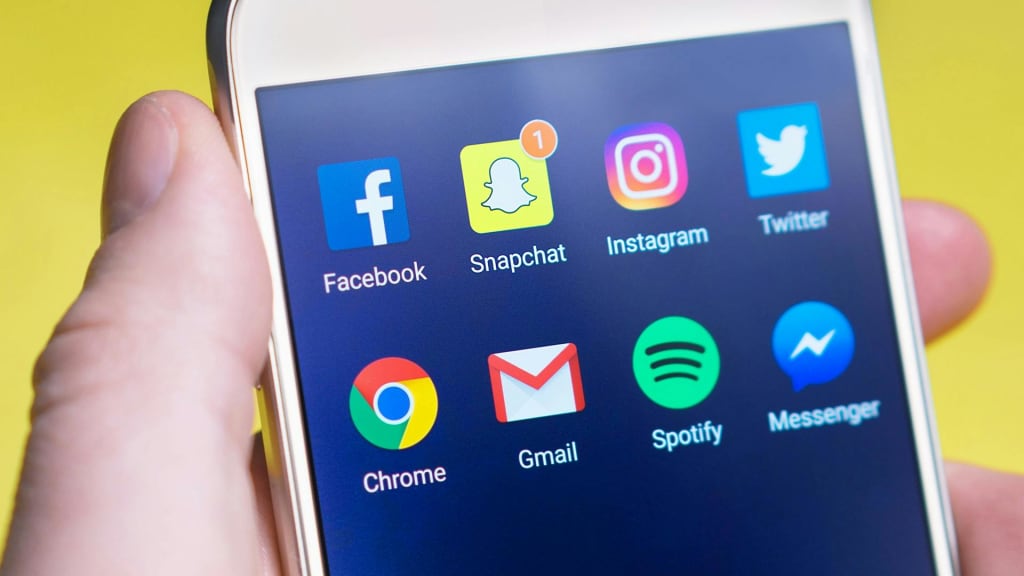
Social media has transformed the way people interact, share experiences, and consume information. While it offers benefits like global connectivity and instant access to news, it also carries significant risks to mental health. From increased anxiety to decreased self-esteem, the effects of social media use deserve serious attention.
The Link Between Social Media and Mental Health
Research indicates that excessive social media use correlates with higher levels of stress, anxiety, and depression. A 2023 study published in JAMA Psychiatry found that young adults who spent more than three hours a day on social media were twice as likely to experience symptoms of depression compared to those who used it less. The constant stream of curated content can create unrealistic expectations, leading to feelings of inadequacy and dissatisfaction with real life.
Another study from the American Psychological Association revealed that heavy social media users often report poor sleep quality, reduced attention spans, and increased feelings of loneliness. Even though these platforms were designed to connect people, they can sometimes contribute to social isolation.
The Rise of Social Media Burnout
Burnout, a state of emotional, mental, and physical exhaustion, isn’t exclusive to the workplace. Many individuals experience social media burnout due to information overload and the pressure to maintain a constant online presence. The need to respond to messages, stay updated on trends, and engage with content can be overwhelming. If you feel mentally drained after scrolling through your feed, a Burnout Self-Assessment Test can help determine if social media is contributing to your stress levels.
The Comparison Trap and Self-Esteem Issues
One of the most damaging aspects of social media is the comparison trap. Seeing others post highlight reels of their lives can make users feel inadequate. Influencers and celebrities often share carefully edited images, giving an illusion of perfection that is difficult to achieve in reality. This phenomenon has been linked to body dissatisfaction, eating disorders, and negative self-perception, especially among teenagers and young adults.
A study by the Royal Society for Public Health in the UK found that platforms like Instagram and Snapchat had the worst impact on mental well-being. These apps emphasize visual content, making users more susceptible to unhealthy comparisons. The pressure to appear successful, attractive, and happy online can erode self-worth over time.
Doomscrolling and Anxiety
Doomscrolling the act of continuously consuming negative news has become a common habit for many social media users. During global crises, such as the COVID-19 pandemic, doomscrolling surged, leading to heightened anxiety and emotional exhaustion. Studies show that prolonged exposure to distressing content can trigger stress responses, leaving users feeling powerless and mentally drained.
Limiting exposure to negative content and setting boundaries on screen time can significantly improve mental health. Simple strategies like unfollowing accounts that cause distress and following pages that promote positivity can make a difference.
Social Media’s Role in Adult ADHD Symptoms
For individuals with Adult ADHD, social media can be both a blessing and a curse. On one hand, it provides a platform for education and connection with others who share similar experiences. On the other hand, the rapid-fire nature of content can worsen distractibility and make it harder to focus on tasks. The endless cycle of notifications, likes, and comments can pull attention away from responsibilities, contributing to procrastination and reduced productivity.
Practical Strategies for Healthier Social Media Use
Reducing the negative effects of social media doesn’t mean quitting altogether. Here are some practical ways to foster a healthier relationship with these platforms:
Set Time Limits: Use built-in screen time trackers to monitor usage and set daily limits.
Curate Your Feed: Follow accounts that inspire, educate, and uplift rather than ones that trigger stress or self-doubt.
Take Digital Detox Breaks: Designate certain hours of the day as phone-free time, especially before bed.
Engage in Real-Life Socialization: Prioritize face-to-face interactions over online conversations.
Practice Mindful Consumption: Before scrolling, ask yourself if the content adds value to your life or drains your energy.
Conclusion
Social media isn’t inherently harmful, but excessive and unregulated use can negatively impact mental health. Recognizing the signs of burnout, limiting exposure to negative content, and prioritizing real-world interactions can help maintain emotional well-being. By taking control of social media habits, users can harness its benefits without falling into its psychological pitfalls.
About the Creator
Ric francis
Productivity / Technology / Automation content writer
Keep reading
More stories from Ric francis and writers in Lifehack and other communities.
How to Tell If Your Baby Has Flat Head Syndrome: Signs to Watch For
Parents often wonder if their baby’s head shape is developing normally. Flat head syndrome, or positional plagiocephaly, occurs when a baby’s skull flattens due to prolonged pressure on one area. While it’s common in infants, early detection helps ensure proper care and treatment. Knowing the signs allows parents to take steps that promote healthy skull development.
By Ric francis12 months ago in Lifehack
9 Foods You Should Never Eat Past the Expiration Date, No Exceptions
But certain foods cross a line where the expiration date becomes about more than just quality—it’s about safety. Eating past that line can expose you to dangerous bacteria, toxins, or nutrient loss you can’t see or smell. Knowing which foods to never push beyond their expiration dates is key to keeping your kitchen safe. Here are the nine foods that are not worth the risk.
By General gyan3 days ago in Lifehack
Wild Card Weekend Recap: What Happens Now?
I think I figured out why I love Wild Card Weekend so much. It's because it's the first playoff anything of the calendar year. The NFL season starts in the fall, and once upon a time, the champion was crowned either on or slightly before New Year's. The evolution of the NFL schedule has resulted in the playoffs starting just into the New Year, and currently, the final week of the season falls on the first weekend of the New Year, with Wild Card Weekend coming a week after that. So yes, chronologically, the NFL's Wild Card Weekend serves as the first playoff anything of the calendar year.
By Clyde E. Dawkins7 days ago in Unbalanced




Comments
There are no comments for this story
Be the first to respond and start the conversation.