
The Hidden Dirt in Your Sofa: Why Upholstery Cleaning Matters
How Deep Cleaning Your Upholstery Can Improve Hygiene, Extend Its Lifespan, and Keep Your Home Fresh

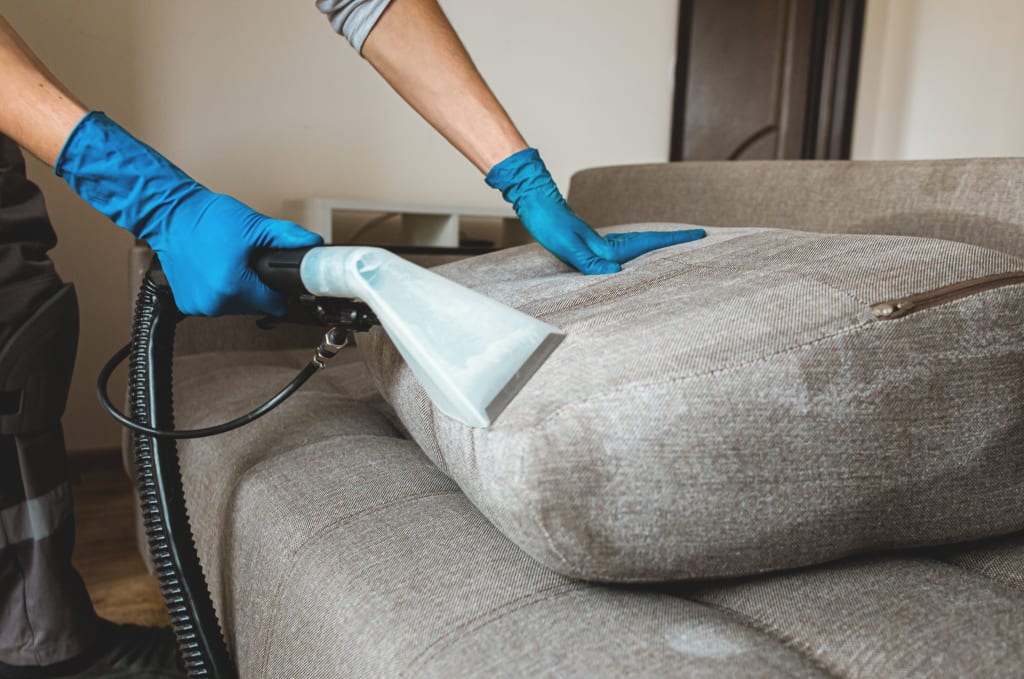
Many homeowners take pride in keeping their homes clean, vacuuming carpets, mopping floors, and dusting surfaces regularly. However, one area that often goes unnoticed is upholstered furniture—sofas, armchairs, and dining chairs that absorb daily wear and tear. Though they may look clean on the surface, upholstery can trap dust, allergens, bacteria, and even mould, affecting both air quality and overall hygiene. Regular upholstery cleaning is essential not just for maintaining appearances but also for protecting your health and extending the lifespan of your furniture.
Daniel Esposito, owner of Grease Lightning Carpet Cleaning in Guildford, explains, “Most people don’t realise how much dirt and bacteria build up in their sofas over time. Even if your furniture looks clean, it’s often hiding allergens, pet dander, and deep-seated grime. Professional cleaning removes these pollutants, making your home fresher and healthier.” (https://www.greaselightningcarpetcleaning.co.uk/surrey/guildford/upholstery-cleaning/)
The Unseen Dirt Lurking in Your Upholstery
Upholstered furniture is designed for comfort, but its soft fabric and padding create the perfect environment for dust, dirt, and bacteria to settle. Over time, dead skin cells, sweat, and food crumbs become embedded in the fibres, creating an ideal breeding ground for bacteria and dust mites. Unlike hard surfaces that can be easily wiped down, fabric absorbs and holds onto contaminants, making regular cleaning essential.
For households with pets or children, the problem is even greater. Pet hair, dander, and odours cling to upholstery, while spills and stains seep deep into the fabric. If left uncleaned, upholstery can develop unpleasant smells, discolouration, and even structural damage to the padding underneath.
How Upholstery Cleaning Improves Hygiene
One of the biggest benefits of upholstery cleaning is improving indoor air quality. The dust and allergens trapped in your furniture don’t just stay there—they become airborne whenever you sit down or move around. This can lead to respiratory issues, particularly for those with asthma or allergies. Professional upholstery cleaning removes these allergens, making the air in your home cleaner and healthier to breathe.
Another key hygiene factor is the removal of bacteria and mould. Moisture from spills, sweat, or high humidity can lead to mould growth within upholstery fibres, causing musty odours and potential health risks. Deep cleaning methods, such as steam cleaning or dry-cleaning technology, effectively eliminate bacteria and fungi, ensuring your furniture is as clean as it looks.
Extending the Life of Your Furniture
Investing in high-quality sofas and chairs isn’t cheap, so it makes sense to take care of them properly. Over time, dirt and grime cause fabric fibres to break down, leading to premature wear and tear. Regular professional cleaning removes abrasive particles, keeping the upholstery’s texture and colour intact for longer.
Neglecting your upholstery can lead to irreversible damage, where the only solution is replacing the furniture altogether. Professional cleaning helps preserve the original softness and vibrancy of the fabric, ensuring your furniture remains comfortable and aesthetically pleasing for years to come.
Tackling Stains and Odours
One of the most common upholstery problems is staining. Whether it’s a coffee spill, pet accident, or ink mark, stains can be stubborn and difficult to remove with standard household cleaners. Worse still, many DIY stain removal attempts actually push the stain deeper into the fabric or cause permanent discolouration.
Professional upholstery cleaners use specialist stain removal techniques tailored to different fabric types, ensuring that stains are lifted safely and effectively. More importantly, professional cleaning eliminates odours at their source, rather than just masking them with sprays or air fresheners.
Daniel Esposito highlights the importance of proper stain treatment, saying, “We see a lot of cases where people try to remove stains themselves using the wrong products, which can damage the fabric. Professional cleaning not only removes tough stains but also ensures the upholstery isn’t harmed in the process.”
The Best Methods for Upholstery Cleaning
There are several different upholstery cleaning methods, and the best choice depends on the fabric type and the level of soiling.
Steam cleaning, also known as hot water extraction, is one of the most effective deep-cleaning methods for upholstery. It uses high-temperature steam and powerful suction to break down dirt, kill bacteria, and remove stains without leaving excess moisture behind. This method is particularly effective for removing embedded grime and allergens.
For delicate fabrics such as silk or wool, dry cleaning is a preferred option. This technique involves low-moisture foam or powder-based cleaning solutions that lift dirt without over-wetting the fabric. It’s a great option for quick drying and minimal disruption.
More homeowners are opting for chemical-free, eco-friendly upholstery cleaning, which uses plant-based solutions and biodegradable cleaners. These products are gentle on fabrics while being safe for children, pets, and allergy sufferers.
How Often Should You Clean Your Upholstery?
While vacuuming your upholstery regularly helps maintain its appearance, deep cleaning is still necessary to remove built-up dirt and allergens. The recommended frequency depends on usage and household factors.
For most homes, an annual deep clean is sufficient. If you have pets or children, more frequent cleaning every six months helps manage dirt, hair, and spills. High-traffic areas such as hotels, offices, and restaurants may require cleaning every three to four months.
Regular upholstery cleaning doesn’t just improve cleanliness—it also prolongs the lifespan of your furniture, saving you money in the long run.
DIY vs. Professional Upholstery Cleaning
While DIY cleaning methods can help with light maintenance, they often fall short when tackling deep-seated dirt, bacteria, and stains. Many store-bought upholstery cleaners contain harsh chemicals that may cause fading or damage over time. Additionally, rental machines often lack sufficient suction power, leaving too much moisture behind and increasing the risk of mould growth.
Professional upholstery cleaning, on the other hand, ensures a thorough, fabric-safe clean using the right techniques and equipment. The results last longer, and the risk of damage is significantly reduced.
As Daniel Esposito puts it, “Professional upholstery cleaning goes beyond just making furniture look good—it improves hygiene, extends fabric life, and eliminates allergens that household vacuums and DIY cleaners can’t reach.”
Final Thoughts
Upholstery may not always show visible dirt, but that doesn’t mean it’s clean. Hidden dust, allergens, and bacteria build up over time, affecting air quality and contributing to wear and tear. Regular professional upholstery cleaning helps maintain a fresh, hygienic, and long-lasting home environment, protecting both your health and your investment.
Whether it’s removing stubborn stains, eliminating odours, or simply refreshing your furniture, scheduling a deep clean can transform your upholstery and improve your living space. So, if it’s been a while since your last upholstery clean, now might be the perfect time to give your furniture the attention it deserves.
About the Creator
Daniel Esposito
Grease Lightning Carpet Cleaning in Guildford provides expert upholstery cleaning, removing stains, dirt, and allergens with an eco-friendly process, extending the life of sofas and chairs. www.greaselightningcarpetcleaning.co.uk/upholstery
Keep reading
More stories from writers in Lifehack and other communities.
The Invisible Scar: Navigating Life and Love After Infidelity
Late one evening, I received a call from a close friend. Through muffled sobs, she shared the news that has become an all-too-familiar ghost in modern relationships: "He’s been cheating. I checked his phone... it’s been going on for six months."
By Elena Vance a day ago in Lifehack
Kale in the Home Garden - Growing a Resilient Green from Seed to Harvest
Kale has a way of thriving quietly. It doesn’t demand attention, doesn’t rush its growth, and doesn’t punish small mistakes, qualities that make it one of the most dependable vegetables in a home garden. For beginner gardeners, kale often becomes the first leafy green that truly feels successful.
By The Brown Chair3 days ago in Lifehack
Trouble at the Tea Leafing Café
The rain had started right around the time that Annie was buttering her second thick slice of homemade toast for breakfast, and hadn’t paused since. Not that anyone could tell. The windows of the café were fogged over, and with every seat filled with happy customers munching on fresh baked pastries or steaming bowls of the delicious soup of the day, it was hardly surprising. Annie looked around the room, finally taking a moment to breathe after the lunch time rush. Her old life already felt like a bad memory, a part of her history, always, but just that. History.
By Hannah Moore4 days ago in Fiction


Comments
There are no comments for this story
Be the first to respond and start the conversation.