
The Hidden Danger of Microplastics from Cutting Boards
How Tiny Plastic Particles End Up in Your Food and Health

Every time you cut vegetables, meat, or fruit on plastic boards, invisible microplastics may shed into your meals. Though unseen, these fragments raise serious concerns for families who want healthier kitchens and safer food preparation practices.
This blog explains how microplastics from cutting boards enter food, why they matter, and what alternatives exist. You’ll learn how to choose safer, higher-quality boards that protect your health while supporting a more sustainable kitchen.
What Are Microplastics?
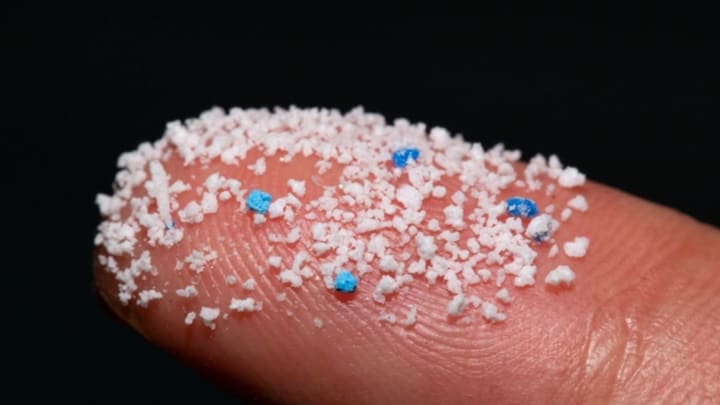
Microplastics are tiny plastic fragments measuring less than 5 millimeters. They can form when larger plastics break down or are manufactured in small sizes, like microbeads. Cutting boards, daily chopping sheds microplastics from cutting boards directly into food.
Though invisible, these fragments mix easily into meals. Every slice, dice, or chop slowly releases more particles. For frequent home cooks, exposure builds quickly, turning daily cooking into a hidden source of microplastics from cutting boards.
Over time, the amounts add up. Weeks of daily cooking could mean thousands of plastic particles consumed unknowingly. This ongoing exposure raises health concerns, making it crucial to consider safer, more durable alternatives to plastic cutting boards.
How Cutting Boards Release Microplastics

Plastic cutting boards may look sturdy, but they wear down quickly. Every knife stroke leaves marks that release particles, creating a hidden source of microplastics from cutting boards in your daily meals.
- Made from polyethylene or polypropylene, they shed microplastics from cutting boards with use.
- Knife grooves trap food, bacteria, and plastic shavings
- Studies show millions of microplastic particles can be released over a board’s lifetime
- Cleaning cannot fully prevent continued shedding
While plastic boards are affordable and lightweight, their risks outweigh the convenience. Choosing safer alternatives protects both your food quality and long-term health, making the upgrade a smart decision for every kitchen.
Why Microplastics in Food Are a Problem
Scientists are still studying the full impact of ingesting microplastics, but early findings are concerning. These particles may:
- Carry harmful chemicals: Additives like BPA and phthalates in microplastics from cutting boards can leach into food, disrupting hormones and biological processes.
- Absorb toxins: They act as sponges for pesticides, metals, and pollutants, increasing exposure when ingested.
- Trigger inflammation: Accumulated microplastics from cutting boards may cause chronic inflammation and oxidative stress, damaging cells, organs, and overall health.
Microplastics have already been detected in human blood, lungs, and even placental tissue. While more research is needed, many experts recommend reducing exposure where possible. And one of the biggest hidden sources in the kitchen is microplastics from cutting boards.
Health Risks You Might Not Notice

You won’t see or taste microplastics from cutting boards, but consuming them daily can quietly affect your health. Studies suggest these particles may disrupt hormones, stress organs, and interfere with gut function without clear warning signs in the beginning.
Children face even greater risks, as their bodies and immune systems are still developing. Exposure during early years may influence growth, hormone balance, or resistance to illness, making plastic contamination especially concerning for families with young kids.
For these reasons, many health-conscious parents are choosing safer alternatives. By switching to cutting boards made from stainless steel, wood, or titanium, families can reduce exposure, protect long-term well-being, and create safer kitchens for everyday meals.
Environmental Impact of Plastic Cutting Boards
The problem of microplastics from cutting boards doesn’t end in your kitchen. When you throw away an old plastic board, it won’t decompose naturally—instead, it adds to the growing crisis of plastic pollution worldwide.
Every time you wash your board, tiny fragments also go down the drain and can enter waterways. This adds to the global issue of microplastic pollution that’s already threatening marine life and ecosystems.
By choosing better materials, you not only protect your health but also reduce your environmental footprint.
Alternatives to Plastic Cutting Boards
If you’re concerned about microplastics from cutting boards, you’re not alone. Many health-conscious cooks are switching to safer alternatives. Here are some popular options:
Wood Cutting Boards

Wood has been used for centuries because it is durable, naturally antimicrobial, and gentle on knives. With proper care, like regular oiling and keeping it out of the dishwasher, wooden boards can serve you well for years.
However, wood cutting boards require consistent maintenance. Without oiling or proper drying, they may warp or crack. While safe and reliable when cared for, they can become less durable if exposed to excessive moisture or neglected cleaning habits.
Bamboo Cutting Boards
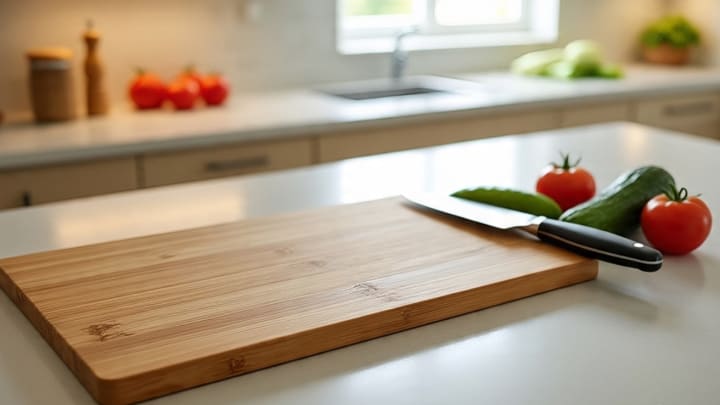
Bamboo is eco-friendly, lightweight, and renewable, making it a popular choice for sustainable kitchens. It is harder than most woods, which allows it to resist knife marks better, offering a longer lifespan with moderate upkeep.
Still, bamboo has drawbacks. Its harder surface can dull knives faster compared to softer woods. Bamboo boards are also not dishwasher safe, meaning they must be hand-washed and dried properly to avoid damage and splitting over time.
Glass Cutting Boards

Glass cutting boards are non-porous, easy to sanitize, and free of microplastic shedding. Their smooth surface makes them hygienic and simple to clean, reducing the risk of bacteria buildup compared to traditional plastic boards.
Despite these benefits, glass boards are noisy, slippery, and harsh on knives. They can dull or even chip blades quickly. While good for presentation or serving, they are less practical for daily cutting tasks in the kitchen.
Metal Cutting Boards

Stainless steel and titanium cutting boards are modern, durable, and hygienic alternatives. They don’t shed microplastics, are dishwasher safe, and resist stains and odors. As a non toxic cutting board option, they are excellent for preparing meat, fish, and strong-smelling foods.
Unlike plastic, metal boards are long-lasting and low-maintenance. They withstand years of heavy use without harboring bacteria or deep grooves. Their durability and safety features make them one of the best investments for a healthier, cleaner kitchen.
Each option has pros and cons, but if you want to avoid plastic exposure completely, stainless steel and titanium cutting boards stand out.
How to Minimize Microplastic Exposure if You Still Use Plastic
If you aren’t ready to fully replace your cutting boards, there are still practical steps you can take to reduce exposure and extend their safe use. Simple habits in the kitchen can make a meaningful difference over time.
- Replace old boards once the grooves become deep. When knife marks cut too far into the surface, they trap food, bacteria, and release more plastic particles. Swapping boards early prevents unnecessary contamination.
- Use separate boards for meat, produce, and bread. This practice not only minimizes cross-contamination but also reduces wear, since different foods apply different levels of pressure on the cutting surface.
- Avoid high heat from dishwashers or boiling water. Intense temperatures accelerate plastic breakdown, increasing the rate of microplastic shedding. Gentle handwashing is safer for maintaining board integrity.
- Clean with warm, soapy water instead of harsh scrubbing. Abrasive cleaners and rough pads scrape the surface faster, creating more grooves and releasing particles. A soft sponge and mild soap are more effective and protective.
While these measures won’t fully eliminate microplastics from cutting boards, they can significantly slow the release and lower your risk. Practicing mindful care allows you to protect your meals while planning a gradual switch to safer alternatives.
Introducing ChopChop USA Products

ChopChop USA has created cutting boards that solve the problems of traditional plastic. Their ChopChop USA stainless steel cutting boards and ChopChop USA titanium cutting boards are engineered for maximum hygiene, durability, and long-term kitchen safety.
- Ultra-Durable: Built to resist warping, cracking, and deep grooves from knives.
- Naturally Hygienic: Non-porous surfaces block bacteria, odors, and stubborn stains.
- Eco-Friendly: Long-lasting design helps cut down on plastic waste in kitchens.
- Knife-Friendly Options: Dual-sided titanium boards combine strength with surfaces that remain gentle on blades.
By upgrading to ChopChop USA stainless steel or titanium cutting boards, you protect your family from microplastics from cutting boards while creating a cleaner, more sustainable kitchen that’s built to last.
Conclusion
Microplastics from cutting boards are an unseen danger in the kitchen. Every slice on plastic adds particles to your meals and the environment. Prevention is key—reducing unnecessary exposure is the safest step you can take.
Switching to durable, eco-friendly boards like wood, bamboo, or metal keeps cooking safer and cleaner. For top hygiene and performance, ChopChop USA stainless steel and titanium cutting boards offer innovative solutions designed to protect health and sustainability.
FAQs
How do microplastics from cutting boards get into food?
Knife strokes on plastic release tiny fragments that mix with food. Though invisible, these microplastics end up in your meals.
Are microplastics from cutting boards harmful to health?
Research suggests microplastics may disrupt hormones, trigger inflammation, and affect gut health. Children are especially vulnerable, making the reduction of exposure important.
How can I reduce microplastic exposure if I still use plastic boards?
Replace worn boards, use separate boards, wash gently with soap, and avoid dishwashers or hot water that speed plastic breakdown.
What is the safest cutting board material?
Wood and bamboo are traditional safe options. For durability and hygiene, ChopChop USA stainless steel and titanium cutting boards shed no microplastics.
Why should I consider switching to ChopChop USA cutting boards?
ChopChop USA stainless steel and titanium boards are hygienic, long-lasting, and eco-friendly. They resist stains, don’t shed microplastics, and protect your family’s health.
About the Creator
Keep reading
More stories from Olivia Kim and writers in Lifehack and other communities.
Mastering How to Clean a Plastic Cutting Board Safely
Plastic cutting boards are everywhere. They’re affordable, lightweight, and durable compared to fragile wooden boards. But they also need proper care. If you don’t know how to clean a plastic cutting board, bacteria, stains, and odors can accumulate faster than you think.
By Olivia Kim4 months ago in Lifehack
The Ultimate Woodworking Resource: From Easy Beginner Projects to Complete DIY Builds
The Ultimate Woodworking Resource: From Easy Beginner Projects to Complete DIY Builds Woodworking is one of the most rewarding DIY hobbies you can start. There’s something deeply satisfying about turning raw wood into something useful — whether it’s a simple shelf, a garden bench, or custom furniture for your home. But for beginners, getting started can feel overwhelming without the right guidance.
By Victor Toussaint6 days ago in Lifehack



Comments
There are no comments for this story
Be the first to respond and start the conversation.