
The Good Person Dilemma
Lessons from George Orwell’s Writings


George Orwell, a master of political and social commentary, offers profound insights into the nature of morality, power, and truth through his seminal works, Animal Farm and 1984. These novels delve into the "Good Person Dilemma"—the challenge of staying true to one's moral principles in a world where power and ideology can corrupt even the noblest intentions. Orwell’s exploration of this dilemma provides valuable lessons on maintaining integrity amidst adversity.
The Corruption of Ideals in Animal Farm
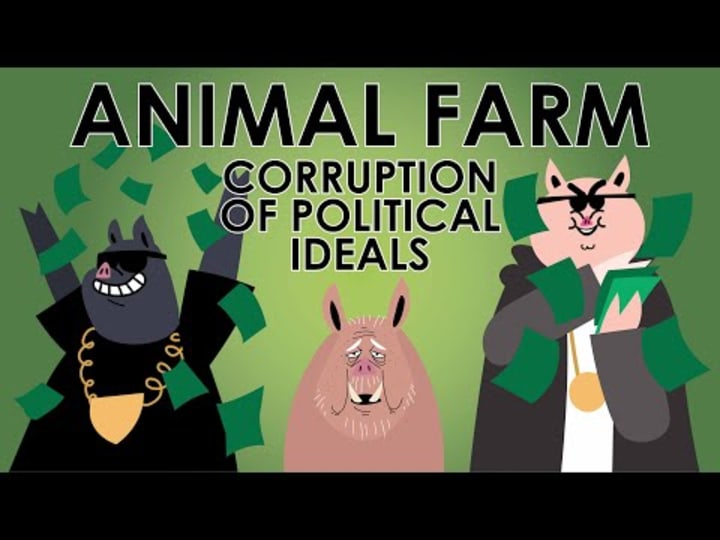
Animal Farm is a brilliant allegory of the Russian Revolution and the subsequent rise of Soviet totalitarianism. The story begins with a group of farm animals overthrowing their human farmer, inspired by the dream of creating an egalitarian society free from human oppression. However, as the pigs, particularly Napoleon, seize power, they gradually betray the very ideals they championed.
Orwell uses this narrative to illustrate a crucial lesson: even the most seemingly righteous causes can be corrupted when power is unchecked. The pigs, initially champions of equality, slowly become indistinguishable from the tyrants they overthrew. They indulge in the same oppressive practices they once denounced, altering the farm’s commandments to justify their actions. This transformation serves as a stark warning about the ease with which power can corrupt and the importance of remaining vigilant against moral compromise. The concept of "All animals are equal, but some animals are more equal than others" epitomizes how revolutionary ideals can be perverted. Orwell’s depiction of the pigs’ gradual shift from revolutionary leaders to authoritarian rulers highlights the inherent danger of equating good intentions with moral purity. Maintaining integrity and avoiding the corrupting influence of power requires constant effort and self-awareness.
The Manipulation of Truth in 1984
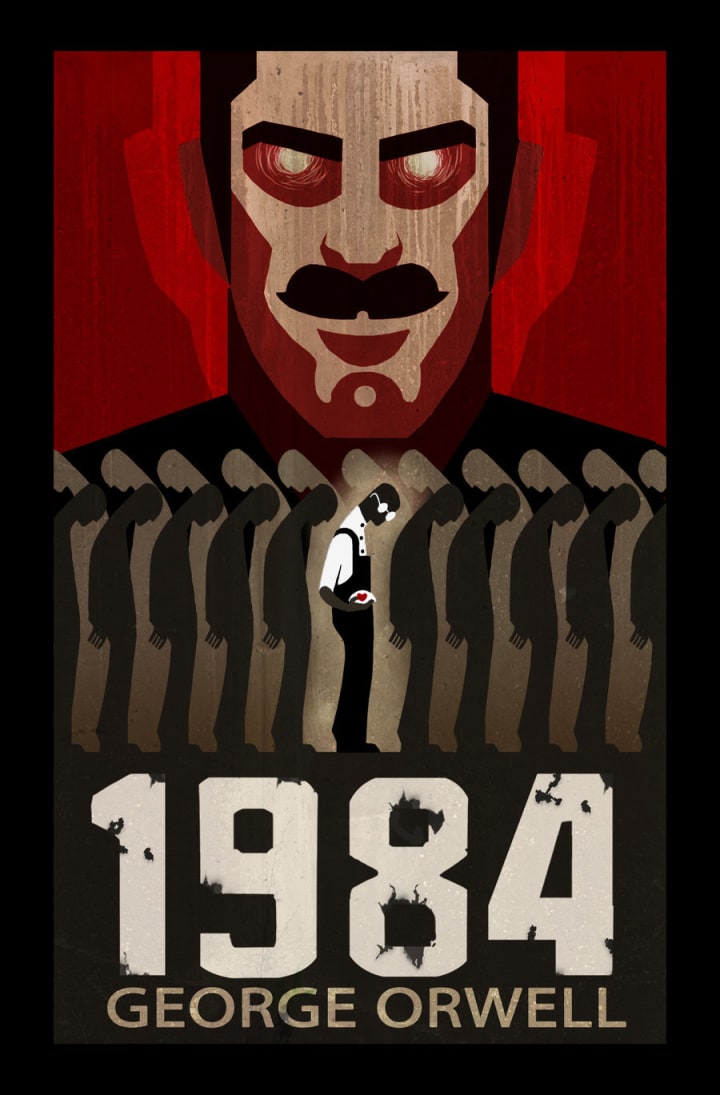
In 1984, Orwell explores a dystopian reality where the state, embodied by the omnipresent Big Brother, exercises total control over every aspect of life, including the very nature of truth. The Party, led by Big Brother, manipulates historical records and language to maintain its dominance. Through mechanisms such as Newspeak and the alteration of historical records, the Party creates a version of reality that serves its oppressive ends.
Orwell’s portrayal of a world where truth is constantly rewritten reveals a critical dilemma: when those in power dictate what is true, the concept of objective morality becomes elusive. The Party’s ability to control and distort information shows how the manipulation of truth can undermine personal and collective morality. In 1984, the slogan "War is Peace, Freedom is Slavery, Ignorance is Strength" embodies the paradoxical and deceptive nature of totalitarian propaganda. This manipulation creates an environment where individuals struggle to distinguish between reality and fiction, making it nearly impossible to hold onto moral certainties. Orwell demonstrates that when truth becomes a tool of oppression, the pursuit of genuine goodness becomes a formidable challenge. The novel underscores the need for critical thinking and skepticism in the face of authoritative narratives.
The Impact of Power on Morality
Orwell’s exploration of the "Good Person Dilemma" in both Animal Farm and 1984 offers timeless insights into the interplay between power and morality. The central lesson is that power, whether in the hands of individuals or institutions, has the potential to corrupt and distort moral values. The ease with which the pigs in Animal Farm abandon their principles and the Party’s manipulation of truth in 1984 illustrate how power can undermine ethical integrity. These insights are particularly relevant in contemporary contexts where power dynamics and information control continue to shape our world. The lessons from Orwell’s writings encourage us to remain vigilant and discerning, recognizing the potential for corruption and manipulation in our political and social environments.
Navigating the Good Person Dilemma
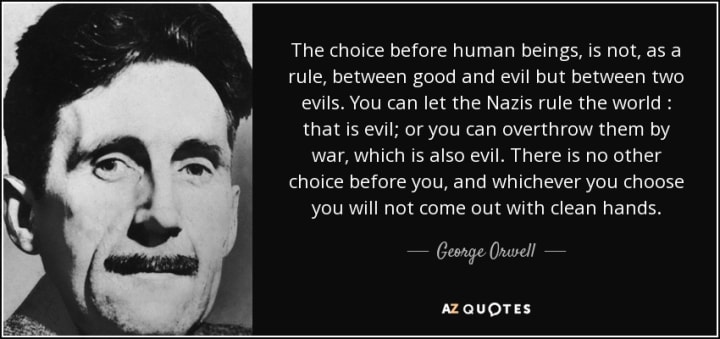
Understanding the Good Person Dilemma involves acknowledging that maintaining moral integrity requires more than good intentions. It demands active engagement, self-awareness, and a willingness to question authority. Orwell’s works prompt us to critically examine our own values and the systems we operate within, striving to uphold ethical principles even in the face of adversity. To navigate the Good Person Dilemma effectively, individuals must cultivate a sense of moral clarity and resist the allure of power and influence. This involves being aware of the potential for corruption within oneself and remaining steadfast in the pursuit of truth and justice. Orwell’s narratives serve as a powerful reminder of the importance of ethical vigilance and the need to challenge oppressive systems.
Final Thoughts
George Orwell’s writings offer profound insights into the complexities of morality, power, and truth. Through Animal Farm and 1984, Orwell explores the Good Person Dilemma, revealing the ways in which ideals can be corrupted and truth manipulated. His works challenge us to confront the inherent dangers of power and remain vigilant in our pursuit of moral integrity. By engaging with Orwell’s insights, we gain a deeper understanding of the challenges involved in maintaining goodness in a world fraught with power struggles and deceit. Orwell’s legacy encourages us to stay true to our principles, question authority, and strive for genuine integrity in our personal and collective lives. In navigating the Good Person Dilemma, we honor Orwell’s timeless message of ethical courage and resilience.
About the Creator
Horace Wasland
Research analyst, writer & mystical healer. Exploring the edge where science meets mystery. From mystery/the mystical, to facts, news & psychology. Follow for weekly insights on all four and please leave a tip if you like what you read :)
Keep reading
More stories from Horace Wasland and writers in Lifehack and other communities.
Speaking Up or Staying Quiet?
The wisdom of ancient philosophers often transcends time, resonating with the challenges and dilemmas we face today. Socrates, one of the greatest minds of ancient Greece, presents us with a profound moral dilemma in his work Apology: Should we speak out against injustice, risking personal loss and confrontation, or remain silent to preserve our comfort and safety? This question, though posed over two millennia ago, is startlingly relevant in our modern world, where we are constantly faced with decisions that test our values and integrity.
By Horace Waslandabout a year ago in Lifehack
What Your Grandmother Knew about Gold that Wall Street Forgot
My grandmother kept her gold bangles in a faded velvet pouch at the back of her wardrobe. Not in a safe, not in a bank vault, just tucked between old shawls and photographs. When I asked her once why she bothered keeping them, she looked at me like I'd asked why the sky was blue.
By Marcus Briggs2 days ago in Lifehack
Top 9 Wearable App Development Companies in the US
In today’s digital age, wearable technology has reshaped how users interact with digital experiences on the go. From fitness trackers and smartwatches to AR glasses and healthcare monitors, wearable devices depend on robust, intuitive apps to deliver real-time insights and seamless connectivity. Choosing the right development partner ensures your wearable application not only meets technical requirements but also excels in user experience, reliability, and future scalability. Below is a curated list of the top 10 wearable app development companies in the United States that are leading innovation in this niche space.
By Steve Waugh4 days ago in Lifehack



Comments (1)
Interesting piece