
The Global Wheat Crisis of 2023: A Perfect Storm of Challenges Threatens Food Security
Wheat Crisis

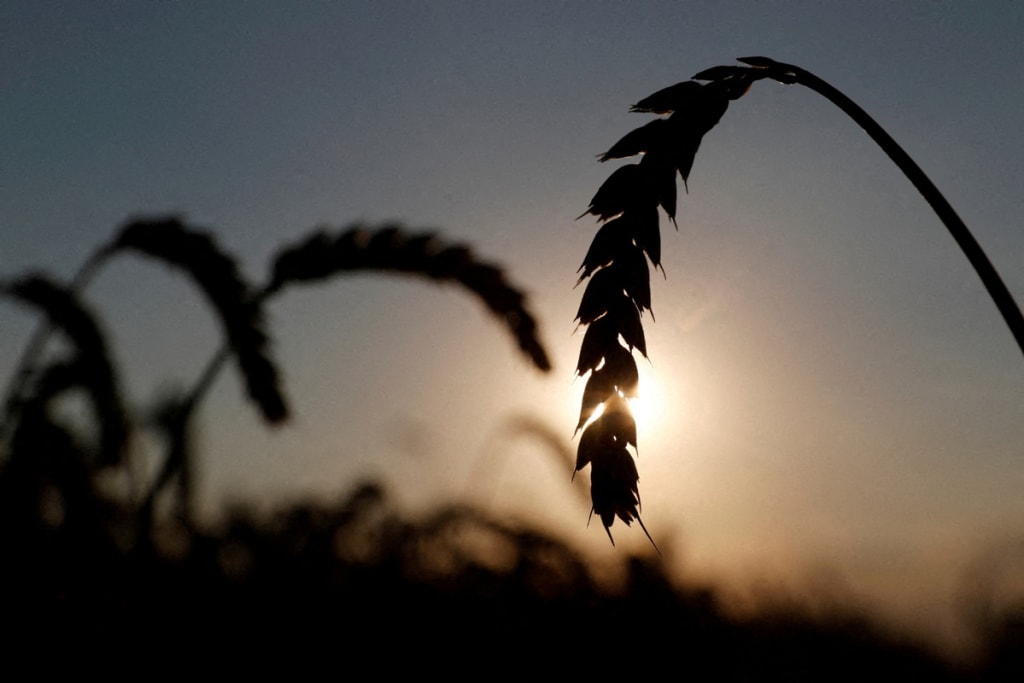
In 2023, the world witnessed a bleak outlook for global wheat supply, as wheat stocks continued to decline, setting off alarm bells in the international community. This essay explores the multitude of factors that contributed to this grim situation. From persistent dry conditions in key wheat-growing regions to geopolitical conflicts disrupting grain production and exports, the global wheat crisis of 2023 emerged as a perfect storm, posing significant challenges to global food security.
Dwindling Wheat Stocks and Dry Conditions
One of the primary drivers of the wheat crisis was the continuous decline in global wheat stocks. Several key wheat-producing regions experienced prolonged droughts and erratic weather patterns, resulting in crop failures and reduced yields. This trend was exacerbated by the lingering La Niña weather phenomenon, which brought below-average rainfall and parched soil to many important wheat-growing areas.
Argentina, a major wheat exporter in South America, struggled with severe drought conditions in 2022, which carried over into 2023, impacting the winter wheat crop. Southern Europe also faced a similar situation, as countries like Spain and Italy saw their wheat production hampered by inadequate rainfall. In the United States, drought in the Great Plains and Midwest significantly affected wheat cultivation, leading to concerns about the overall supply for domestic and international markets.
Geopolitical Turmoil in Ukraine and North Africa
The ongoing war in Ukraine further compounded the global wheat crisis. Ukraine has long been recognized as the "breadbasket of Europe," but the conflict disrupted grain production and exports, pushing them down to a fraction of their normal levels. This was a significant blow to global wheat supplies as Ukraine is one of the world's largest wheat exporters.
North Africa, which heavily relies on wheat imports, also faced challenges due to geopolitical instability in the region. Conflicts in Libya and other parts of North Africa hindered the smooth flow of wheat imports, leading to food insecurity concerns in these nations.
Impact on Food Security and Prices
The declining global wheat stocks and disrupted supply chains had severe consequences on food security worldwide. Wheat is a staple crop that serves as a primary food source for billions of people, especially in developing countries. As the availability of wheat diminished, prices surged, making basic food items less affordable for vulnerable populations.
Food-importing nations with limited domestic production capacity found themselves particularly vulnerable to price fluctuations in the global wheat market. The inability to access affordable wheat on the international market placed immense strain on these countries, leading to social unrest and humanitarian crises.
Response and Mitigation Strategies
Faced with such daunting challenges, governments, international organizations, and agricultural experts collaborated to implement various response and mitigation strategies. These included:
a) Diversification of Crops: Encouraging farmers to diversify their crops to reduce reliance on wheat alone, thereby enhancing resilience to climate and market fluctuations.
b) Sustainable Agricultural Practices: Promoting water-efficient and sustainable agricultural practices to mitigate the impact of drought on wheat production.
c) Research and Development: Investing in agricultural research and development to develop drought-resistant and high-yielding wheat varieties.
d) Regional Cooperation: Enhancing regional cooperation and trade agreements to facilitate the flow of wheat and other food commodities to food-deficit regions.
e) Humanitarian Aid: Providing humanitarian aid and food assistance to vulnerable populations affected by food crises.
The global wheat crisis of 2023 served as a stark reminder of the fragility of our interconnected food systems. The confluence of factors, including dry conditions in key wheat-growing regions and geopolitical conflicts, led to a decline in global wheat stocks, posing significant threats to food security worldwide.
As the world grappled with these challenges, efforts were made to address the immediate impacts and develop long-term solutions. Through sustainable agricultural practices, diversification of crops, and international cooperation, we can build resilience in the face of climate change and other disruptions to safeguard global food security.
The lessons learned from the wheat crisis of 2023 should serve as a call to action for all nations to prioritize food security and work collaboratively to build a more resilient and equitable global food system. By taking decisive and collective measures, we can create a future where hunger and food insecurity are no longer an insurmountable burden on humanity.
About the Creator
Reynol Brennan
A small blogger who shares emotions, life, life insights, and short stories, and provides everyone with happiness, growth, and common sense of life.
Keep reading
More stories from Reynol Brennan and writers in Lifehack and other communities.
Unleash Your Dreams: Powerball Jackpot Surges to Record-Breaking Heights!
The Powerball lottery has long captured the imagination of millions, promising the tantalizing prospect of turning ordinary lives into extraordinary ones. As the jackpot reaches record-breaking heights, the nation is gripped by lottery fever, with ticket sales soaring and people from all walks of life daring to dream big. In this essay, we explore the phenomenon of the Powerball lottery, its impact on society, the allure of the jackpot, and the potential consequences of such a high-stakes game of chance.
By Reynol Brennan3 years ago in Lifehack
Absolutely 100% Free Stuff With No Shipping Costs
In a world where everything seems to come with a price tag—including “free” offers that sneak in unexpected shipping fees—it can feel impossible to get truly free items. But with the right strategies, resources, and platforms, it is completely possible to score legitimate, 100% free stuff with no shipping costs or hidden charges. Whether you're looking to save money, reduce waste, or simply love the thrill of discovering freebies, this guide will walk you through the best ways to find authentic no-cost items online and in your local community.
By Master Binz5 days ago in Lifehack
Complete Guide to Wi-Fi Password Recovery & Protection
Understanding Wi-Fi Security Forgetting your Wi-Fi password is a common frustration in our connected world. This comprehensive guide explores legitimate methods to recover lost Wi-Fi credentials while emphasizing network security best practices. Whether you're a homeowner locked out of your network or an IT professional assisting users, this article provides ethical solutions while reinforcing the importance of protecting wireless networks from unauthorized access.
By Alexander Hoffmann4 days ago in Lifehack


Comments
There are no comments for this story
Be the first to respond and start the conversation.