
The Future of Food: Cultivating a Sustainable Plate
Why sustainability on our plates is key to a healthier planet and future generations.

Our planet faces big challenges. Climate change shifts weather patterns, making food harder to grow. Resources like fresh water are shrinking. More people are born every day, meaning we need more food. And sadly, too many still go hungry. These problems show why we must change how we eat and produce food. It is not just an idea; it's a pressing need.
A "sustainable plate" means more than just eating vegetables. It covers the whole journey of our food. The process includes growing food in ways that do not harm the Earth. It means making sure food is fair for workers and beneficial for local economies. When we contemplate sustainable eating, we consider the environment, people, and money, all working together.
This article will show you the path ahead for what we eat. We will look at new farming methods that use less water and land. We will explore exciting new kinds of protein, far beyond what you might imagine. We will also talk about how to stop food from going to waste. Finally, we will see how you, the consumer, hold real power in this vital shift.
Rethinking Agricultural Practices: The Rise of Sustainable Farming
New ways of farming are changing how we get our food. These methods help us grow more with less. They also work to heal our Earth, not harm it. This shift in farming is key to feeding everyone tomorrow.
Precision Agriculture and Technology
Smart farming uses data to make things better. Farmers can use information to know exactly what plants need. This helps them use less water, fertilizer, and pesticides. It means healthier crops and a cleaner environment.
AI and IoT in Farming
Tiny sensors and drones help farmers see their fields in new ways. These tools watch soil health and water levels. Artificial intelligence (AI) helps predict pest problems before they get serious. For instance, John Deere's See & Spray technology employs cameras to target only the necessary weeds for spraying. This process saves chemicals and money.
Vertical Farming and Controlled Environment Agriculture (CEA)
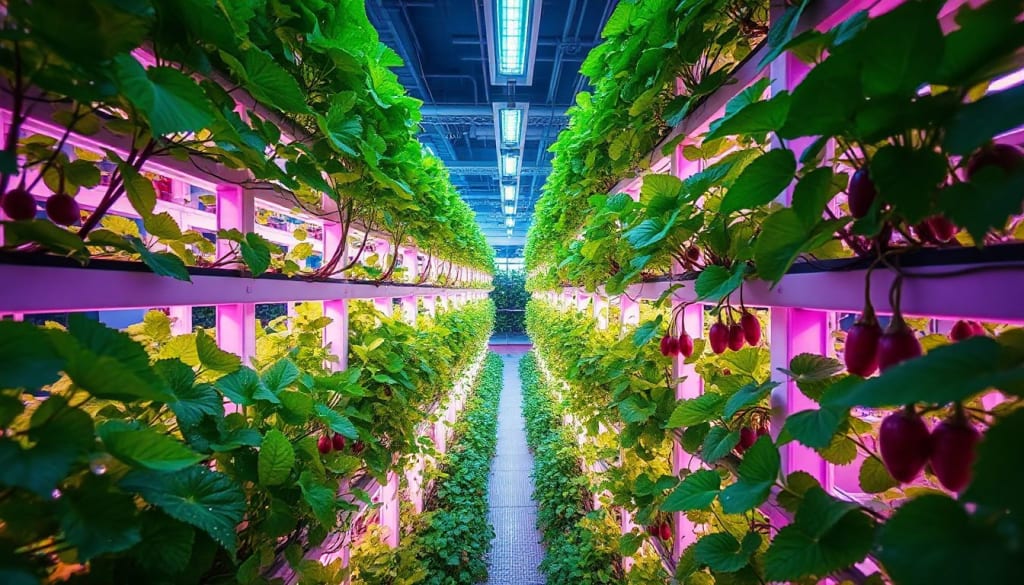
Imagine growing fresh lettuce in a city building. Vertical farms stack crops upward, saving land. They use controlled environments to grow food without soil, often indoors. This approach uses much less water and no pesticides. Companies like AeroFarms and Plenty show how fresh food can grow close to home, year-round.
Regenerative Agriculture
This farming method focuses on making soil rich again. It builds healthy soil that can hold more carbon. Practices include planting cover crops when fields are empty. Farmers also avoid tilling the soil, which keeps it strong. Rotational grazing helps animals improve pastures naturally. Organizations like the Rodale Institute champion these methods for healing the land.
The Protein Paradigm Shift: Exploring Alternative Sources
Our demand for protein is huge. But making traditional protein, like meat, uses many resources. That is why many people are looking at new ways to get the protein we need. The future of protein is looking completely unique.
Plant-Based Proteins: Beyond the Basics
The market for foods made from plants is booming. You can find many tasty choices now. It is more than just tofu; new ideas are popping up everywhere. These options offer healthy protein without relying on animals.
Innovations in Plant-Based Meat and Dairy
Companies are making plant-based foods that taste and feel like meat or dairy. These new products are better than ever. They can be just as good for you as animal products, too. Brands like Impossible Foods make burgers from plants that sizzle like beef. Oatly offers creamy milk from oats.
Legumes and Ancestral Grains
Beans, lentils, and ancient grains like quinoa are powerhouses. They offer lots of protein and fiber. Plus, they need less water and land than animal farming. Eating more of these simple foods diversifies our protein and helps the planet.
Cultivated Meat and Insect Protein
Some of the newest ideas in protein are still developing. But they could change everything. They offer ways to get protein with a much smaller footprint. These emerging options are exciting and hold big promise.
The Promise of Cell-Based Meat
Imagine meat grown from animal cells, not a whole animal. This "cultivated meat" is made in a lab. It uses far less land and water than raising livestock. It also makes fewer greenhouse gases. Companies like Upside Foods are leading the way in this new field. It could be a truly sustainable way to eat meat.
Entomophagy: The Future of Protein?
Eating insects, or entomophagy, might sound strange. But insects are packed with protein and vitamins. They need very little food or water to grow. Some companies already make snacks and protein bars from crickets. While it might take time for everyone to accept, insects offer a smart, green protein source.
The Critical Role of Reducing Food Waste
A huge amount of food goes to waste every day. This happens at farms, in stores, and in our homes. When we waste food, we also waste the resources used to produce it. Reducing this loss is a big step toward a sustainable plate.
From Farm to Fork: Minimizing Loss
Food is lost at every step of its journey. From fields to our plates, there are many chances to save it. We must find ways to keep food fresh and usable longer. The solution includes better handling and smart choices.
Supply Chain Innovations
New tech helps food stay fresh on its way to you. Smart storage and better transport methods cut down on spoilage. Better ways to track what is in stock mean less food sits too long. These changes help prevent food from going rotten before it can be sold or eaten.
Upcycling Food Byproducts
Even parts of food that usually get tossed can be used. This is called upcycling. For example, imperfect fruits might become fruit leather. Leftover grains from brewing beer can become flour for bread. These creative uses save food and create new products.
Consumer Behavior and Smart Consumption
You have a big part to play in reducing waste. Small changes in how you shop and eat can add up. Every bit of food you save makes a difference. Being smart about your food means making the most of it.
Smart Shopping and Meal Planning
Plan your meals before you shop. Buy only what you need and what you will eat. Check your fridge before heading to the store. These steps prevent food from sitting unused and spoiling. It saves you money and cuts waste.
The Impact of Food Storage and Preservation
Store your food correctly at home. Learning how to properly store fruits, vegetables, and leftovers makes them last longer. Freezing, canning, or drying can extend shelf life even more. This simple habit keeps good food from ending up in the trash
Consumer Power and Policy: Driving Change
The choices you make when buying food matter. Your demand can push food companies to be more sustainable. Governments and businesses also have a role to play. They can create rules and invest in new ideas.
Educated Choices and Mindful Consumption
When you choose food, you send a message. Every dollar spent supports a certain way of farming. Knowing what labels mean helps you buy food that matches your values. Your choices can help shape the future of food.
Understanding Food Labels and Certifications
Look for labels that tell a story. "Organic" means food grown without certain chemicals. "Fair trade" supports favorable conditions for workers. "Regenerative" shows farming that heals the Earth. These labels help you pick food that is beneficial for everyone.
Supporting Local and Ethical Food Systems
Buying from local farmers' markets helps your community. Community Supported Agriculture (CSAs) delivers fresh, local produce straight to you. Choosing businesses that are clear about where their food comes from also helps. This keeps money in your area and promotes good practices.
The Influence of Policy and Innovation
Significant changes in food often start with laws and new ideas. Governments have the power to either support or hinder sustainable efforts. Investing in new food technologies can speed up progress. These forces work together to change our food systems.
Government Subsidies and Regulations
Governments can provide money to farmers who use earth-friendly methods. They can also make rules about how food is grown. These policies can make sustainable food cheaper or make unsustainable food more costly. This shapes what ends up on our plates.
Investment in Food Tech and Research
Money put into new food technologies helps them grow. Researchers are constantly looking for better ways to produce food. This cash and brainpower speed up the creation of solutions. It helps move us toward a more sustainable food future much faster.
Conclusion
Creating a sustainable plate involves many things. It is about smart farming and surprising new proteins. It also means wasting less food and making smart choices. All these parts must work together for real change. Technology and consumer actions merge to build a better food future.
The future of food is not just about what we eat for dinner. It is about how that food arrives to us. It is about valuing every part of the food chain. We must ensure our food supports our health, our communities, and our planet.
You are empowered to make a difference. Start by contemplating your next meal. Choose foods that are good for you and for the Earth. Speak up for policies that support a greener food system. Our shared food future depends on us all taking action, one plate at a time.
Key Takeaways:
- Sustainable farming uses tech and earth-friendly methods to grow more with less.
- New proteins like plant-based and cultivated options offer greener choices.
- Reducing food waste at every step saves resources and money.
- Your food choices and government policies drive major change.
...
Thank you for reading! 🌷
🙌 If you enjoyed this story, don’t forget to follow my Vocal profile for more fresh and honest content every day. Your support means the world!
About the Creator
vijay sam
🚀 Sharing proven affiliate marketing tips, smartlink strategies, and traffic hacks that convert. Follow for insights, tools, and real results to help you earn smarter—whether you're just starting or scaling up!
Why More Parents Are Choosing Organic Baby Clothes (and What It Means for the Future of Childhood)
Parenthood has a way of changing how we see the world — especially the small, everyday choices that quietly shape our children’s lives. From the food they eat to the toys they play with and the clothes that touch their skin, many parents today are looking beyond convenience and price tags and asking a deeper question: What’s actually best for my child in the long run?
By Car Detail Calgarya day ago in Lifehack



Comments
There are no comments for this story
Be the first to respond and start the conversation.