
The Fascinating World of Sperm: 15 Surprising Facts About the Tiny Cell That Starts Life
From Microscopic Speedsters to Gender Deciders — Everything You Didn’t Know About Sperm
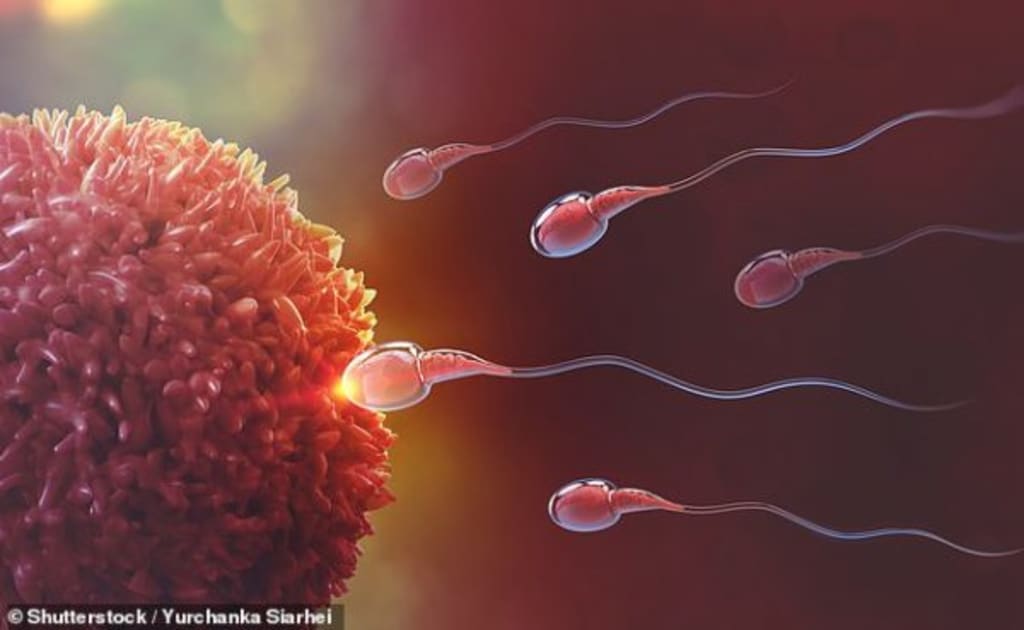
Sperm – a microscopic cell, invisible to the naked eye – plays one of the most essential roles in human reproduction. Though it’s incredibly tiny, its journey and function are nothing short of extraordinary. Here are 15 fascinating facts that shed light on the power, purpose, and science behind sperm.
1. Only One Sperm Fertilizes the Egg
Despite millions of sperm being released during ejaculation, only one single sperm can fertilize the female egg. The rest are simply competitors in one of nature’s toughest races.
2. Sperm is Microscopic
A sperm cell measures approximately 0.005 millimeters in length. It is so small that it can’t be seen without a microscope. Yet, this tiny cell holds half of the genetic material needed to create a human life.
3. Sperm Are Surprisingly Fast
Sperm swim at about 5 millimeters per minute. While this might sound slow, considering their tiny size, sperm are among the fastest cells in the human body relative to their length.
4. The Body Produces Millions of Sperm Daily
A healthy male’s testicles produce roughly 100 million sperm each day. This constant production continues throughout most of a man’s life.
5. Semen is Only 5% Sperm
Though we often think of semen as being entirely sperm, in reality, sperm make up just 5% of semen. The remaining 95% consists of fluids from the prostate and seminal vesicles that nourish and protect the sperm.
6. It Takes 64 Days to Make a Sperm
The production of sperm isn’t instantaneous. From start to finish, the creation of a single sperm cell takes about 64 days, or roughly two months.
7. Heat is Harmful to Sperm
Sperm thrive in slightly cooler temperatures than the rest of the body. That’s why testicles are located outside the body. Heat sources, like keeping a laptop on your lap or using hot tubs frequently, can lower sperm quality.
8. Sperm and Semen Aren’t the Same as Blood
Semen is typically white or off-white in color and may vary slightly in shade. It is not blood, and any red or brown tinge could be a sign of a medical condition requiring attention.
9. Stress Can Damage Sperm
Emotional or mental stress significantly impacts sperm health. It can reduce sperm count, motility (movement), and morphology (shape), all of which are crucial for successful fertilization.
10. Diet Affects Sperm Health
Unhealthy food habits, such as consuming junk food, sugary items, and trans fats, can weaken sperm. On the other hand, almonds, eggs, bananas, and honey are known to enhance sperm quality and vitality.
11. Sperm Determines the Baby’s Gender
A woman’s egg always carries an X chromosome. The sperm, however, may carry either an X or a Y:
X (egg) + X (sperm) = Girl
X (egg) + Y (sperm) = Boy
This means the baby’s gender is entirely dependent on the sperm, not the woman.
12. Sperm Can Survive Up to 5 Days in a Woman’s Body
If conditions are ideal (such as the right pH and cervical mucus), sperm can live for up to 5 days inside a woman’s reproductive tract, increasing the chances of conception even days after intercourse.
13. Shape and Movement Matter
It’s not just the number of sperm that counts. Successful fertilization requires sperm with a normal shape and strong swimming ability. Poorly shaped or slow sperm are less likely to reach the egg.
14. Fresh Sperm Is Released Each Time
With every ejaculation, newly formed sperm are released. Old or unused sperm cells are broken down and reabsorbed by the body.
15. Age Affects Sperm Quality
Though men can reproduce later in life, after age 40, sperm quality, mobility, and genetic stability may decline. Fertility doesn’t disappear, but the chances of conception and the risk of genetic issues may increase.
🌟 Final Thoughts:
“Sperm doesn't just start life — it represents one of the most remarkable cells in the human body: small, fast, specialized, and powerful.”
Understanding the facts about sperm isn’t just essential for those planning to start a family—it’s a window into how intricate, well-designed, and fascinating the human body truly is. By taking care of overall health—physically and mentally—men can maintain better sperm quality and reproductive health for years to come.
About the Creator
Keep reading
More stories from Muhib Ullah and writers in Lifehack and other communities.
The Importance of Organized Nutrition for Better Health
Nutritional regulation and its importance for daily health Nutrition regulation is the arrangement of meals and foods we eat in a balanced way that suits the body's needs. Its goal is to provide the body with the necessary energy, strengthen the immune system, and maintain health
By Kawtar Aithammoua day ago in Lifehack
Center Stage with Paul Stewart
*** I'm keen to republish the interviews I did for my series with Vocal creators. It's been a few years and I thought it might be nice to revisit these wonderful conversations. I'll be releasing them one at a time for a few weeks/months.
By Heather Hubler5 days ago in Interview




Comments
There are no comments for this story
Be the first to respond and start the conversation.