
The Fascinating History and Culinary Uses of Fava Beans
Exploring the Culinary Uses of Fava Beans
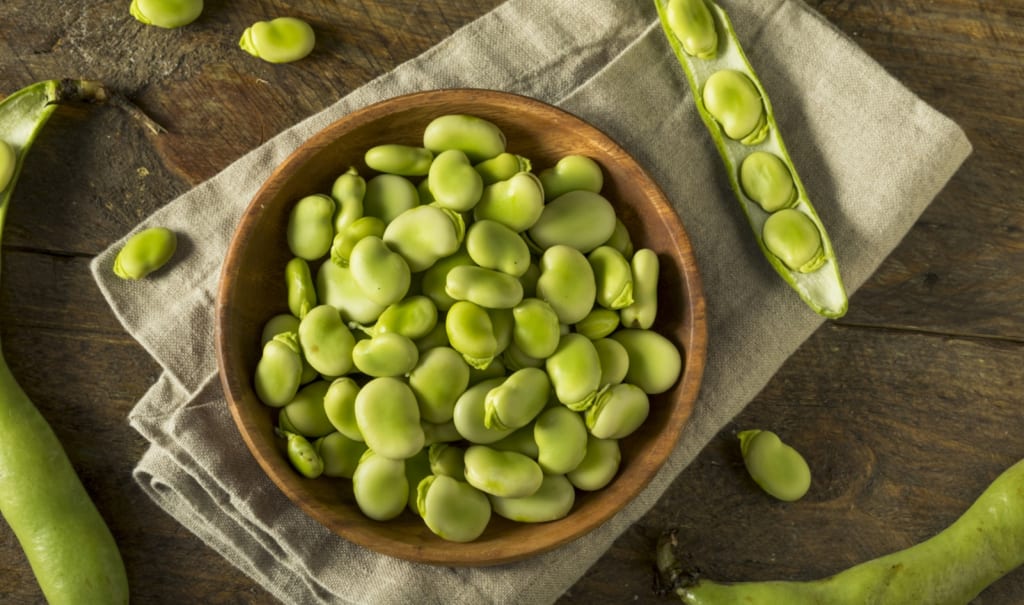
Fava beans, also known as broad beans, have a rich and fascinating history that spans thousands of years. These versatile legumes have made their way into various cuisines around the world, adding a unique flavor and texture to countless dishes. In this blog post, we will delve into the captivating journey of fava beans, exploring their origins, historical significance, and the diverse ways they are used in culinary traditions across different cultures.
Ancient Origins:
Fava beans have been cultivated for over 8,000 years, making them one of the oldest known crops. They were first domesticated in the eastern Mediterranean and quickly spread to other parts of the world, including Europe, Asia, and Africa. In ancient Egypt, fava beans held religious and cultural significance and were even buried with the deceased to ensure a prosperous afterlife.
Nutritional Powerhouse:
Fava bean protein powder packs a nutritional punch, making them an excellent addition to a balanced diet. They are an excellent plant-based protein, dietary fiber, vitamins, and minerals source. These beans are particularly high in folate, iron, and potassium, contributing to improved heart health, energy production, and overall well-being.
Culinary Delights:
Fava beans offer a plethora of culinary possibilities due to their distinct flavor and texture. They can be enjoyed fresh, dried, or even as sprouts. Here are some popular culinary uses:
Soups and Stews: Fava beans add a robust and earthy flavor to soups and stews. In Mediterranean cuisine, they are a staple ingredient in dishes such as the Egyptian ful medames or the Italian fava bean soup.
Salads and Side Dishes: Blanched and peeled fava beans make a delightful addition to salads, providing a vibrant green color and a subtle nutty taste. They can also be pureed and used as a spread or dip.
Main Courses: Fava beans can be a star ingredient in main dishes. In Mediterranean and Middle Eastern cuisine, they are often cooked with herbs, spices, and olive oil, accompanying meat or vegetarian dishes.
Snacks and Appetizers: Roasted fava beans, known as "broad bean crisps," have gained popularity as a healthy and protein-rich snack. They are available in various flavors and provide a satisfying crunch.
Global Culinary Influences:
Fava beans have influenced the culinary traditions of numerous cultures across the globe. In Middle Eastern cuisine, ful medames, a popular dish made with cooked fava beans, is a staple breakfast item. In Italy, fava beans are a key ingredient in the classic pasta dish "pasta con le fave." In China, stir-fried fava beans with garlic and ginger are typical side dish. From England's mushy peas to Morocco's bessara, fava beans have found their way into countless recipes worldwide.
Modern Innovations:
Fava beans inspire chefs and food enthusiasts to explore new ways of incorporating them into modern dishes. From fava bean burgers and patties to fava bean hummus and dips, the versatility of these legumes is continually being reinvented. Moreover, fava bean flour has gained popularity as a gluten-free alternative, opening up avenues for innovative baking recipes and gluten-free products.
Conclusion:
The captivating history and culinary uses of fava beans highlight their timeless appeal and enduring presence in various cultures. Whether enjoyed in traditional recipes or through modern innovations, fava beans offer a delightful combination of flavor, texture, and nutritional benefits. So, the next time you come across these humble legumes, embrace their versatility and savor the rich heritage they bring to your plate.
About the Creator
Keep reading
More stories from writers in Lifehack and other communities.
Understanding Life in North Potomac, Maryland: Culture, Planning, and Everyday Transitions
North Potomac, Maryland, is often described as a quiet suburban community, but daily life here is shaped by more than calm streets and residential neighborhoods. The area has developed a culture rooted in organization, respect for shared spaces, and long-term planning. These values influence how residents interact, manage their homes, and handle major life changes such as relocating within or into the community.
By House Doctor5 days ago in Lifehack




Comments
There are no comments for this story
Be the first to respond and start the conversation.