
The Essential Guide to a Healthy and Balanced Diet
"Building a Nutrient-Dense Meal Plan with the Right Food Groups

Healthyietoodypes
A healthy diet should include a variety of foods from different food groups, such as:

Fruits and vegetables: aim to eat at least 5 servings of fruits and vegetables per day, as they are low in calories, high in fiber and vitamins, and provide many health benefits.
Minerals: Fruits and vegetables are also a good source of minerals, including potassium, magnesium, and calcium. Potassium helps regulate blood pressure, magnesium helps maintain healthy bones, and calcium is essential for strong bones and teeth.
Fiber: Both fruits and vegetables are high in fiber, which is important for digestive health and can help you feel full and satisfied, making it easier to maintain a healthy weight.
Vitamins: Fruits are a good source of vitamins, especially vitamin C. Citrus fruits such as oranges, grapefruits, and lemons are especially high in vitamin C. Other fruits, such as strawberries, kiwi, and papaya, also contain significant amounts of this important vitamin.
Antioxidants: Fruits are also rich in antioxidants, which can help protect the body against damage from harmful substances called free radicals. Berries, in particular, are high in antioxidants.

Whole grains: choose whole grain bread, pasta, rice, and cereal instead of their refined counterparts, as they are more nutritious and provide more fiber.
Minerals: Whole grains contain important minerals such as iron, magnesium, and zinc, which are important for healthy bones, blood, and immune function.
Fiber: Whole grains are a good source of fiber, which helps to keep you full, regulate digestion, and promote healthy bowel movements.
B vitamins: Whole grains are rich in B vitamins, including niacin, thiamin, and riboflavin, which are essential for energy metabolism and brain function.
Antioxidants: Some whole grains contain antioxidants, which help to protect cells from damage and may reduce the risk of chronic diseases such as heart disease, cancer, and type 2 diabetes.
Protein: Whole grains also provide a source of plant-based protein, which can be an important part of a vegetarian or vegan diet.
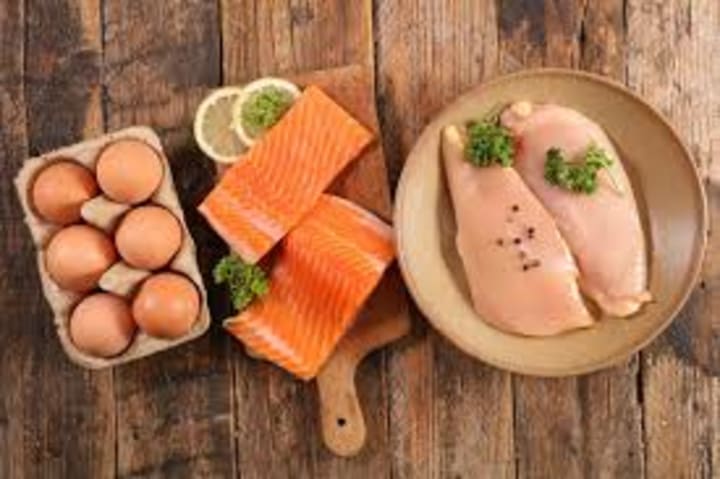
Lean protein: choose lean protein sources such as chicken, fish, tofu, legumes, and low-fat dairy products to provide your body with essential nutrients ad help you feel full.
Chicken breast: skinless and boneless, low in fat and high in protein.
Turkey breast: similar to chicken breast, with a milder flavor.
Fish: such as salmon, tuna, and halibut, are rich in omega-3 fatty acids and low in fat.
Pork tenderloin: a lean cut of pork that is low in fat and high in protein.

Nuts and seeds: a handful of nuts or seeds can provide healthy fats, fiber, and nutrients such as magnesium and vitamin E.
HProtein: Nuts and seeds are a good source of protein, which is essential for building and repairing tissues, producing enzymes and hormones, and maintaining a healthy immune system.
Fiber: Nuts and seeds are high in fiber, which helps keep you feeling full, promotes digestive health, and can help regulate blood sugar levels.
V

Healthy fats: include sources of healthy fats in your diet such as avocado, olive oil, fatty fish, and flaxseeds to help improve heart health and promote brain function.
b
Healthy
Healthy fats, also known as unsaturated fats, are an important part of a healthy diet. They provide many health benefits, including reducing the risk of heart disease, improving brain function, and supporting healthy skin and hair.
There are two main types of unsaturated fats: monounsaturated and polyunsaturated fats.
Monounsaturated fats can be found in foods such as olive oil, avocados, and nuts. They have been shown to improve cholesterol levels and lower the risk of heart disease.
Polyunsaturated fats can be found in foods such as fatty fish (such as salmon and tuna), seeds (such as flaxseeds and chia seeds), and oils (such as sunflower and soybean oil). These types of fats are essential for the body, as they cannot be produced by the body and must be obtained from food. They include the omega-3 and omega-6 fatty acids, which are important for brain function, heart health, and overall inflammation in the body.
It is important to note that while healthy fats are essential for a healthy diet, they should still be consumed in moderation. Consuming too much of any type of fat, even healthy unsaturated fats, can lead to weight gain and other health problems. Aim to incorporate a variety of healthy fats into your diet and limit your intake of saturated and trans fats.
Remember to also drink plenty of water and limit your intake of added sugars, salt, and saturated fats. By incorporating these foods into your diet and making healthy food choices, you can support a healthy lifestyle and help prevent chronic health conditions.
About the Creator
Balaji Bala
I AM BALAJI I AM POSTING TRENDING NEWS VOCAL MEDIA AND LANDING PAGES
Keep reading
More stories from Balaji Bala and writers in Lifehack and other communities.
How to Quickly Raise Your B12 Levels: Natural Sources, Supplements and Injections
Introduction Vitamin b12 supports healthy neurological function, DNA synthesis, and red blood cell creation.Anemia, weariness, cognitive confusion, and nerve damage can all result from a B12 shortage.We'll talk about how to quickly increase B12 levels while preserving peak health in this article.
By Balaji Bala3 years ago in Lifehack
A More Human Vocal
When we launched Vocal nearly a decade ago, the world was a very different place. LLMs did not exist, and stories were created one at a time by people sitting down to write, revise, and share something personal. Many of our assumptions about publishing, trust, and participation were built for a world where effort and output were inseparable.
By Justin @ Vocal5 days ago in Resources




Comments
There are no comments for this story
Be the first to respond and start the conversation.