
The Environmental Impact of Pest Control.
What You Need to Know?
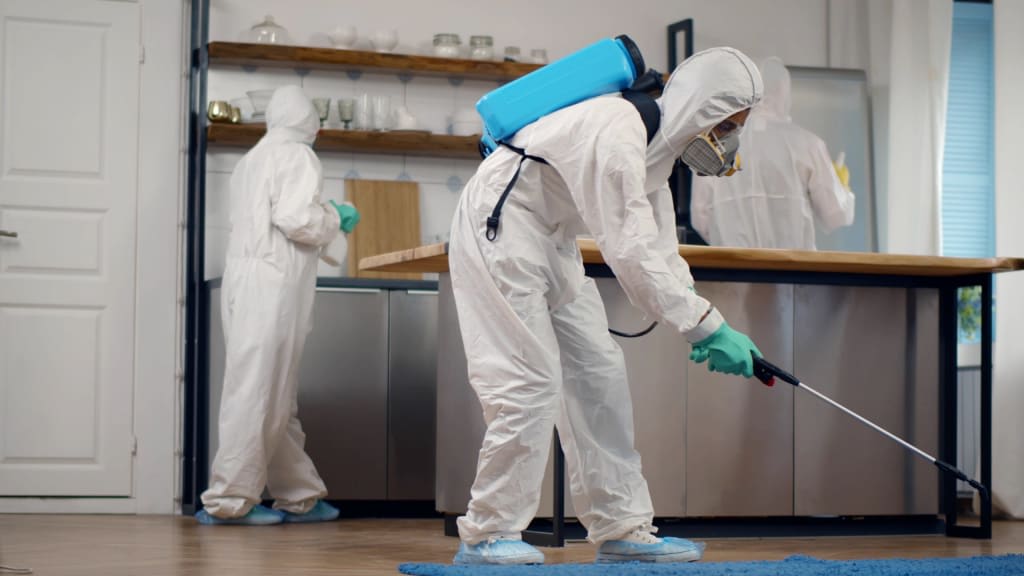
Pest control is an essential part of maintaining a healthy home and business. Whether you're dealing with rodents, insects, or other pests, managing their presence is crucial for your health, safety, and comfort. However, the methods used to control pests can have an impact on the environment. In this blog post, we’ll explore the environmental effects of various pest control techniques, their pros and cons, and what you can do to minimize the negative impact while effectively managing pests.
The Importance of Pest Control
Before diving into the environmental impact, it’s important to understand why pest eradication control is necessary. Pests can cause a range of issues, including:
- Health Hazards: Many pests, such as rodents, cockroaches, and mosquitoes, are carriers of diseases that can affect humans and animals. For example, rodents can spread diseases like Salmonella, while mosquitoes can transmit malaria and dengue fever.
- Property Damage: Pests like termites, ants, and rodents can cause significant damage to your home or business. Termites can destroy wooden structures, while rodents can chew through wires and insulation, leading to expensive repairs.
- Food Contamination: Insects and rodents can contaminate food, which can cause health problems for you and your family. Cockroaches and flies are notorious for spreading bacteria to food surfaces.
Given these risks, pest control becomes necessary. But, as we’ll see, it’s important to use methods that are effective without harming the environment.
The Environmental Impact of Traditional Pest Control Methods
Traditional pest control methods often involve the use of chemical pesticides. While these pesticides can be very effective at killing pests, they can also have unintended consequences for the environment. Here’s how:
1. Chemical Pesticides and Water Contamination
One of the most significant environmental concerns with chemical pest control is the potential for water contamination. Pesticides that are applied to the ground can run off into nearby streams, rivers, and lakes, especially during heavy rains. This runoff can pollute water sources, harming aquatic life. For example, certain pesticides can be toxic to fish and other aquatic organisms, disrupting entire ecosystems.
Additionally, when chemicals enter water sources, they can affect the quality of drinking water for humans and animals, leading to health risks. In some cases, even trace amounts of pesticides in drinking water can be harmful over time.
2. Soil Health and Biodiversity
When pesticides are applied to soil, they can alter its composition and harm beneficial insects and organisms. For instance, certain pesticides can kill earthworms, which play a vital role in maintaining healthy soil. Earthworms aerate the soil and help break down organic matter, which supports plant growth.
Pesticides can also negatively affect pollinators, such as bees and butterflies. These insects are essential for pollination, which supports the growth of crops and plants. A decline in pollinator populations can lead to lower crop yields and a reduction in biodiversity.
3. Non-Target Species and Ecosystem Imbalance
Another environmental concern is the effect of pesticides on non-target species. Pesticides are designed to kill specific pests, but they can also harm beneficial insects, animals, and even plants. For example, if a pesticide meant to control aphids is sprayed on plants, it may also kill ladybugs, which are natural predators of aphids.
When non-target species are harmed, it can lead to an imbalance in the ecosystem. The loss of certain species can affect the food chain and lead to unintended consequences. For example, the disappearance of ladybugs can cause aphid populations to explode, which could harm plants and crops.
4. Air Pollution and Toxicity
Some chemical pest control products release fumes into the air, contributing to air pollution. This is especially true for fumigants and aerosols, which can be harmful to both humans and animals. Prolonged exposure to certain pesticides can lead to respiratory problems, headaches, and dizziness, and in severe cases, long-term exposure can cause serious health issues.
Additionally, these chemicals can contribute to the degradation of the ozone layer, which protects us from harmful UV radiation. Some pesticides contain compounds that break down the ozone layer, which could have long-term effects on the environment.
Alternative Pest Control Methods with Less Environmental Impact
While traditional chemical pesticides are effective, they do come with significant environmental concerns. Fortunately, there are several alternative pest eradication control methods that are less harmful to the environment. Let’s take a look at some of these options:
1. Biological Pest Control
Biological pest control involves using natural predators, parasites, or pathogens to control pest populations. For example, introducing ladybugs to a garden can help reduce aphid populations, or releasing nematodes can target soil-dwelling pests like grubs.
This method is highly effective in reducing pest numbers without harming the environment. It also helps maintain the balance of the ecosystem by encouraging natural predators to thrive. Since biological pest control doesn’t rely on chemicals, it is a much safer and more sustainable option for managing pests.
2. Mechanical and Physical Pest Control
Mechanical pest control involves physically removing pests or using barriers to prevent them from entering certain areas. Some common methods include:
- Traps: Using traps to catch rodents, insects, or other pests. These traps can be either lethal or live traps, depending on your preferences.
- Exclusion: Sealing entry points like cracks and gaps in windows, doors, and walls to prevent pests from entering your home or business.
- Vacuuming: Using a vacuum cleaner to remove pests like ants or bedbugs from surfaces.
Mechanical methods are environmentally friendly because they don’t involve the use of chemicals. They are also very targeted, meaning they focus on removing the specific pests without affecting other creatures in the environment.
3. Cultural Practices
Cultural practices refer to changes in the way you manage your environment to reduce pest attraction. This can include:
- Crop Rotation: For farmers, rotating crops each season can help prevent the buildup of pest populations that prefer certain types of plants.
- Proper Waste Management: Keeping trash sealed and removing food scraps promptly can discourage pests like rodents, ants, and flies from invading your home.
- Cleaning and Maintenance: Keeping your home clean and free of clutter makes it harder for pests to hide and breed. Regular cleaning and vacuuming can also help remove pests before they become a problem.
These practices are preventative measures that focus on making the environment less inviting to pests, reducing the need for chemical control.
4. Organic and Eco-Friendly Pesticides
If you must use a pesticide, consider opting for organic or eco-friendly alternatives. These products are typically made from natural ingredients, such as neem oil, diatomaceous earth, or essential oils like peppermint and citrus. These pesticides are less toxic to humans, pets, and the environment.
Eco-friendly pesticides are also biodegradable, meaning they break down more quickly and don’t persist in the environment for long periods. This reduces the risk of contamination to water, soil, and air.
Best Practices for Reducing the Environmental Impact of Pest Control
Even if you choose a chemical pest control method, there are still ways to minimize its environmental impact. Here are some best practices to follow:
- Use Pesticides Sparingly: Only apply pesticides when necessary, and use the smallest effective amount. This reduces the overall chemical load on the environment.
- Follow Instructions: Always read and follow the instructions on the pesticide label. This ensures that the product is applied correctly and safely, minimizing harm to the environment.
- Target the Pest: Apply pesticides directly to the affected area instead of spraying them in the air or over large areas. This minimizes exposure to non-target species.
- Choose Less Toxic Products: If you must use chemicals, choose less toxic, eco-friendly options that have a lower environmental impact.
- Hire a Professional: If you are unsure about pest control, consider hiring a professional who can assess your situation and choose the best, least harmful method for your environment.
Conclusion
Pest eradication control is an important aspect of maintaining a healthy living space, but it’s essential to consider the environmental impact of the methods you use. Chemical pesticides can harm the environment, pollute water and soil, and disrupt ecosystems. However, by exploring alternative pest control methods, such as biological control, mechanical methods, and eco-friendly pesticides, you can reduce your environmental footprint while still effectively managing pests.
By making informed choices, being mindful of how and when you apply pest control products, and considering eco-friendly options, you can protect both your home and the environment. In the end, balancing effective pest management with environmental responsibility is the key to sustainable and safe pest control.
Contact Us:
- Name: Mana Tahuna
- Address: 5 Sutherland Lane, Frankton, Queenstown 9300, New Zealand
- Phone: +64 21 860 393
- Map: https://maps.app.goo.gl/WpHAMij7G5urF1dm6
About the Creator
Keep reading
More stories from manatahuna34 and writers in Lifehack and other communities.
How Environmental Consulting Can Help Mitigate the Impact of Industrial Waste
Industrial waste is one of the biggest environmental challenges of our time. It refers to any waste produced by industrial processes, including manufacturing, chemical production, mining, and energy generation. This waste can be hazardous to both human health and the environment, with risks like soil contamination, water pollution, and air quality degradation.
By manatahuna34 10 months ago in Lifehack
Contentment
Dear children, you must have heard the famous name of Caliph Harun al-Rashid. He was a ruler who often disguised himself to observe the conditions of his people firsthand. On one such occasion, he was walking along the bank of a river when he noticed a man fishing quietly, having cast his net into the water.
By Sudais Zakwan5 days ago in Lifehack
Understanding Local Moves in Jupiter, Florida
Moving within Jupiter, Florida, may appear straightforward at first glance. The town’s relaxed atmosphere and manageable size often give residents the impression that a local move will be quick and uncomplicated. However, many people discover that relocating within Jupiter requires careful planning, attention to local details, and realistic expectations.
By House Doctor3 days ago in Lifehack




Comments