
How Environmental Consulting Can Help Mitigate the Impact of Industrial Waste
Expert Strategies for Managing Industrial Waste and Protecting the Environment
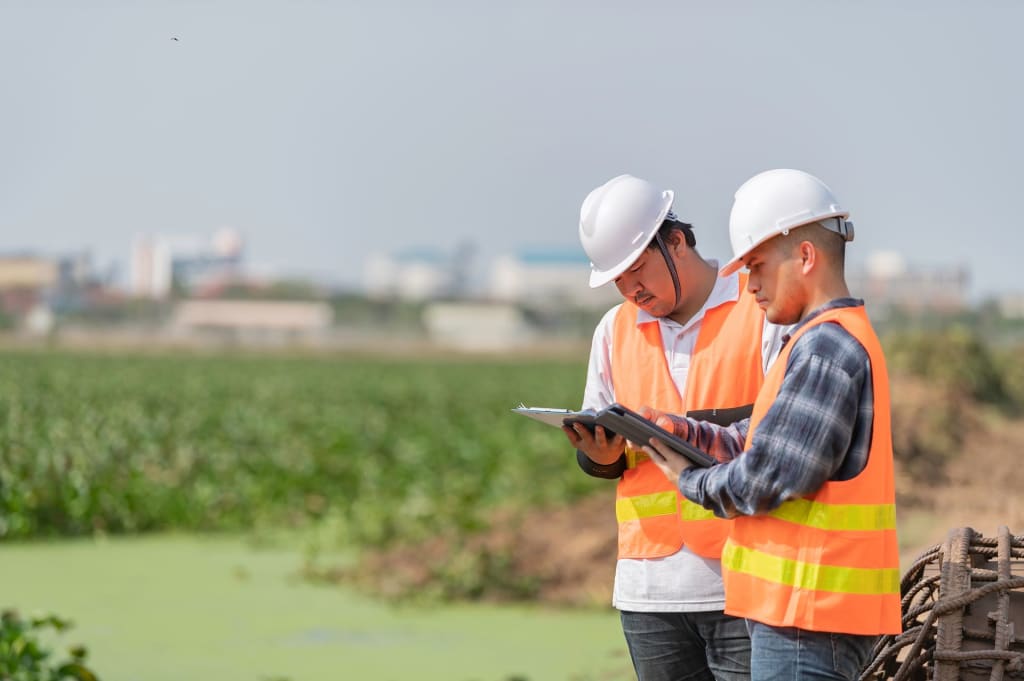
Industrial waste is one of the biggest environmental challenges of our time. It refers to any waste produced by industrial processes, including manufacturing, chemical production, mining, and energy generation. This waste can be hazardous to both human health and the environment, with risks like soil contamination, water pollution, and air quality degradation.
As industries continue to grow and evolve, it’s becoming more crucial to manage and mitigate the impact of industrial waste. This is where environmental consulting comes in. Environmental consulting are professionals who assess, advise, and guide businesses on how to handle waste in an environmentally responsible manner. They help companies minimize the negative effects of industrial waste through effective waste management practices, compliance with regulations, and the implementation of sustainable solutions.
In this blog post, we will explore how environmental consulting can help industries reduce, manage, and prevent the harmful effects of industrial waste, leading to a cleaner and safer environment.
1. What is Industrial Waste?
Before diving into the role of environmental consulting, it’s important to understand what industrial waste is. Industrial waste is any unwanted or discarded material that results from industrial operations. This waste can be categorized as:
Non-hazardous waste: This includes materials like scrap metal, wood, and plastic that are not toxic but need to be disposed of or recycled properly.
Hazardous waste: This type of waste can be dangerous to human health and the environment. Examples include chemicals, solvents, heavy metals, and radioactive materials.
Wastewater: Water that has been used in industrial processes and often contains pollutants like chemicals, oils, and metals.
Air emissions: Gaseous by-products of industrial processes, such as carbon dioxide (CO2), sulfur dioxide (SO2), and nitrogen oxides (NOx), that can affect air quality.
Improper disposal or poor management of industrial waste can result in severe consequences such as contaminated water sources, degraded soil, harmful air pollution, and even public health hazards. This is why it is essential for industries to have proper waste management systems in place and work with environmental consultants to mitigate these impacts.
2. The Role of Environmental Consultants in Waste Management
Environmental consultants specialize in offering solutions that protect the environment while helping businesses comply with local, state, and national regulations. Their expertise is critical in helping industries minimize waste, reuse materials, and dispose of waste in the most environmentally responsible way. Here’s how they contribute to waste mitigation:
Assessing Waste Streams
The first step in managing industrial waste is understanding what waste is being produced. Environmental consultants conduct thorough waste audits to identify and assess the types and amounts of waste being generated by a company. These audits help businesses gain a clear picture of their waste streams, which can then inform decision-making.
Consultants analyze the waste materials to determine if they are hazardous or non-hazardous, recyclable or reusable, and how they can be safely managed. By identifying areas where waste can be reduced or eliminated, consultants can help businesses adopt more efficient practices, such as reducing the use of harmful chemicals or finding alternatives for non-recyclable materials.
Implementing Waste Minimization Strategies
One of the most effective ways to mitigate the impact of industrial waste is to reduce it at the source. Environmental consultants help companies design waste minimization strategies, which are processes aimed at reducing the volume or toxicity of waste produced. These strategies often include:
Process optimization: Improving manufacturing processes to use fewer raw materials or produce fewer by-products.
Substitution of hazardous materials: Replacing toxic chemicals with less harmful alternatives in the production process.
Design changes: Modifying product designs to minimize waste during manufacturing or make the products easier to recycle.
By focusing on waste reduction, environmental consultants help industries cut down on both the amount of waste generated and the costs associated with waste disposal.
Recycling and Reusing Industrial Waste
Recycling and reusing industrial waste materials is another key strategy to reduce the environmental impact. Consultants help businesses identify opportunities for recycling and reusing their waste materials, which can significantly decrease the need for raw materials and lower the environmental footprint.
For example, scrap metal, plastics, and wood can often be recycled and reused in production processes. In some cases, waste products that are normally discarded—such as oils, solvents, or even food waste—can be repurposed or sold to other companies that can use them. Closed-loop systems, where waste materials are fed back into the production process, are a great way to minimize waste and improve resource efficiency.
Environmental consultants can provide the expertise needed to design these systems, connect businesses with recycling companies, and ensure that all processes meet regulatory standards.
Complying with Environmental Regulations
Industrial waste is heavily regulated, with strict laws that govern how waste must be managed, treated, and disposed of. These regulations aim to protect human health, wildlife, and natural resources from the harmful effects of waste. However, staying up to date with these laws and ensuring compliance can be challenging for many businesses.
Environmental consultants play a critical role in ensuring that businesses comply with environmental regulations related to waste disposal and management. They help businesses navigate complex local, state, and national laws and standards, including regulations related to hazardous waste and wastewater treatment. They can also assist with reporting and documentation required for compliance.
By working with consultants, businesses can avoid costly fines, legal issues, and damage to their reputation. Additionally, they can ensure that their waste disposal practices align with best practices in environmental protection.
3. Innovative Technologies for Waste Management
As industries continue to grow, so does the need for more advanced and efficient waste management technologies. Environmental consulting are on the cutting edge of these technologies and can recommend innovative solutions that reduce the impact of industrial waste. Some examples include:
Waste-to-Energy Technologies
One of the most promising technologies for industrial waste is waste-to-energy (WTE) systems. These systems use waste materials, particularly non-recyclable waste, to generate energy. The waste is burned in specialized plants to produce electricity or heat, providing an alternative to traditional energy sources.
Environmental consultants help industries determine if WTE is a viable solution for their operations and assist with the implementation of these systems in a way that minimizes harmful emissions and maximizes energy recovery.
Advanced Wastewater Treatment Systems
For industries that produce significant amounts of wastewater, advanced treatment technologies are essential for ensuring that water is cleaned and safe to be released back into the environment. Environmental consultants work with companies to design and implement advanced wastewater treatment systems that can remove harmful chemicals, heavy metals, and pathogens from industrial wastewater.
These systems can include technologies like membrane filtration, biological treatment processes, and reverse osmosis, which help reduce the contamination of water sources and promote sustainable water use.
Bioremediation
Bioremediation is a process in which microorganisms are used to break down or neutralize hazardous substances in soil, water, or air. This technology is often used to treat industrial waste like oil spills, chemical spills, and heavy metal contamination. Environmental consultants can guide businesses in implementing bioremediation methods to clean up contaminated sites and prevent further environmental damage.
4. Promoting Corporate Social Responsibility (CSR)
In today’s business world, there is an increasing focus on Corporate Social Responsibility (CSR). This is the idea that companies should operate in a way that benefits society, not just their bottom line. A key aspect of CSR is sustainability, which includes managing waste responsibly and minimizing environmental harm.
Environmental consultants can help companies align their waste management practices with their CSR goals by:
Implementing sustainable waste management strategies.
Setting measurable waste reduction targets.
Reporting on waste management and environmental performance.
By adopting sustainable waste management practices, companies not only benefit the environment but also enhance their brand image and build trust with customers, investors, and regulators.
5. The Future of Industrial Waste Management
The future of industrial waste management is moving toward more sustainable and efficient solutions. As technology advances and environmental awareness grows, environmental consultants will continue to play a critical role in shaping the future of waste management. The key trends to watch include:
Circular economy: More industries are embracing circular economy principles, which aim to keep resources in use for as long as possible and reduce waste generation.
Zero-waste initiatives: Many businesses are setting zero-waste goals, aiming to divert as much waste as possible from landfills through recycling, reuse, and composting.
Green technologies: New technologies, such as carbon capture and energy-efficient processes, will further reduce the environmental impact of industrial waste.
Environmental consultants will be at the forefront of helping businesses navigate these trends and implement solutions that protect the planet for future generations.
Conclusion
Industrial waste poses a serious threat to the environment, but with the help of environmental consulting, industries can take significant steps to mitigate its impact. Consultants offer expertise in waste reduction, recycling, compliance, and advanced technologies that help industries minimize their waste and environmental footprint. By adopting effective waste management strategies, businesses can reduce pollution, protect natural resources, and contribute to a more sustainable future.
As industries continue to grow, the role of environmental consultants will only become more important. By working together, we can build a cleaner, healthier world for generations to come.
Contact Us:
Name: Mana Tahuna
Address: 5 Sutherland Lane, Frankton, Queenstown 9300, New Zealand
Phone No: +64 21 860 393
About the Creator
Keep reading
More stories from manatahuna34 and writers in Lifehack and other communities.
How Environmental Consulting Can Help Mitigate the Impact of Industrial Waste?
Industrial waste is one of the biggest environmental challenges of our time. It refers to any waste produced by industrial processes, including manufacturing, chemical production, mining, and energy generation. This waste can be hazardous to both human health and the environment, with risks like soil contamination, water pollution, and air quality degradation.
By manatahuna34 10 months ago in Lifehack
Moving in Palm Beach Gardens: How to Choose the Right Moving Company
Relocating in Palm Beach Gardens, Florida, is often associated with a calm and orderly lifestyle, but the moving process itself requires careful preparation. While the city is known for its planned communities and wide roads, local moves still involve details that can easily be overlooked. Understanding these factors ahead of time can help residents avoid unnecessary stress and delays.
By House Doctor3 days ago in Lifehack



Comments