
The Difference Between Home Health Aides and Personal Care Aides
Private home care pediatrics offers personalized medical and personal care to children with chronic illnesses, disabilities, or surgery, promoting faster recovery and emotional well-being.

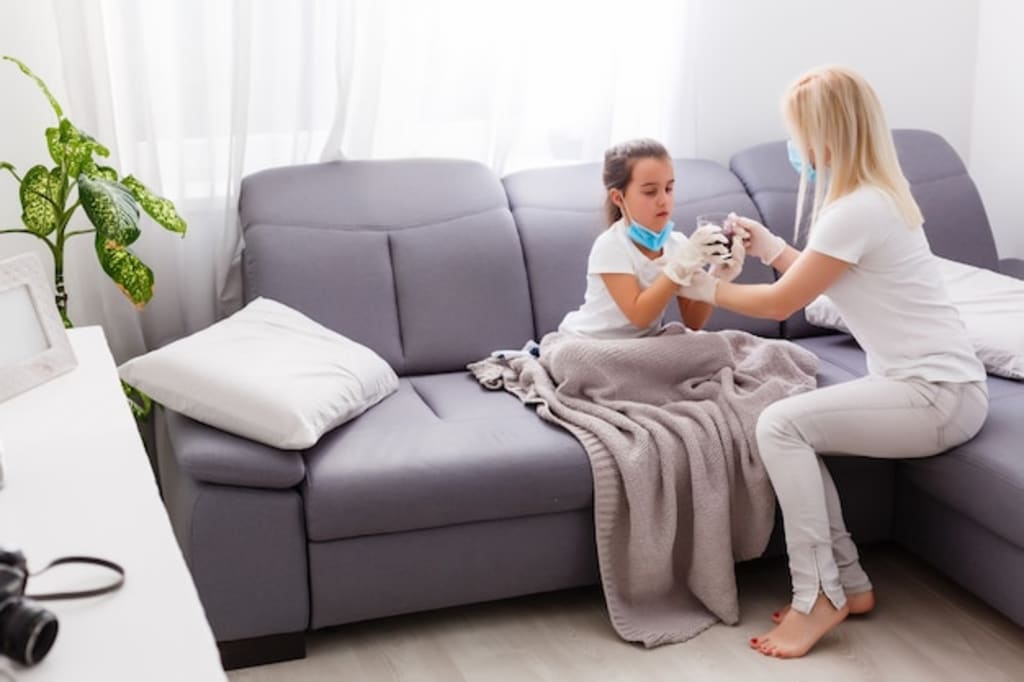
When it comes to private home care pediatrics, ensuring that children receive the highest standard of care in the comfort of their own homes is paramount. As parents or guardians navigate the myriad of options available, understanding the differences between Home Health Aides (HHAs) and Personal Care Aides (PCAs) becomes essential. These two roles, while overlapping in some areas, have distinct responsibilities and qualifications that cater to the unique needs of pediatric patients. Let’s look into the differences between HHAs and PCAs, highlighting their roles, responsibilities, and how they contribute to private home care pediatrics.
Understanding Private Home Care Pediatrics
Private home care for pediatrics focuses on providing medical and personal care to children in their homes. This type of care is beneficial for children with chronic illnesses, disabilities, or those recovering from surgery. It allows them to receive personalized care in a familiar environment, which can promote faster recovery and emotional well-being. Private home care pediatrics encompasses various services, including medical care, personal assistance, and companionship. The goal is to meet the child's physical, emotional, and developmental needs while supporting the family in managing the child's care.
Roles and Responsibilities of Home Health Aides
Medical Support
Home Health Aides (HHAs) are trained professionals who provide medical support to pediatric patients in their homes. They work under the supervision of a registered nurse (RN) or a licensed practical nurse (LPN) and are an integral part of the healthcare team. Their responsibilities include:
Administering Medication: HHAs ensure that pediatric patients take their medications as their healthcare providers prescribe. This includes oral medications, injections, and topical treatments.
Monitoring Vital Signs: HHAs regularly check and record vital signs such as temperature, pulse, respiration, and blood pressure. This helps track the child's health status and alert healthcare providers to any changes.
Wound Care: For children with surgical wounds or injuries, HHAs provide wound care, including cleaning, dressing, and monitoring for signs of infection.
Assisting with Medical Equipment: HHAs are trained to handle medical equipment such as ventilators, feeding tubes, and oxygen machines. They ensure the equipment functions correctly and provide necessary care related to its use.
Physical Therapy Support: Under the guidance of a physical therapist, HHAs assist children with exercises and mobility activities to improve their physical function and strength.
Personal Care
In addition to medical support, HHAs provide Private home care pediatrics to patients. This includes:
Hygiene Assistance: HHAs help children with bathing, grooming, and oral care. Maintaining good hygiene is crucial for preventing infections and promoting overall well-being.
Toileting Assistance: HHAs assist with toileting needs, including diaper changes for younger children and support for older children using the bathroom.
Mobility Support: HHAs assist children with moving around their homes, ensuring their safety and comfort. This includes transferring them from bed to wheelchair and helping them navigate stairs.
Emotional and Developmental Support
Pediatric patients often require emotional and developmental support, which HHAs are equipped to provide. This includes:
Companionship: HHAs offer companionship and engage children in activities to keep them entertained and mentally stimulated.
Emotional Support: HHAs provide emotional support to children, offering a listening ear and comforting presence during challenging times.
Educational Activities: HHAs may engage children in educational activities, such as reading, drawing, and playing games that promote cognitive development.
Roles and Responsibilities of Personal Care Aides
Personal Assistance
Personal Care Aides (PCAs) primarily focus on providing non-medical Private home care pediatrics to patients. Their responsibilities include:
Hygiene Assistance: Similar to HHAs, PCAs help children with bathing, grooming, and oral care. They ensure that children maintain good personal hygiene.
Toileting Assistance: PCAs assist with toileting needs, including diaper changes for younger children and support for older children using the bathroom.
Feeding Assistance: PCAs provide feeding assistance to children who need help with eating, ensuring they receive proper nutrition.
Mobility Support: PCAs assist children with moving around their homes, ensuring their safety and comfort. This includes transferring them from bed to wheelchair and helping them navigate stairs.
Household Tasks
In addition to personal assistance, PCAs often help with household tasks to support the child's family. This includes:
Light Housekeeping: PCAs help with light housekeeping tasks such as cleaning, laundry, and organizing the child's living space. This ensures a clean and safe environment for the child.
Meal Preparation: PCAs prepare meals for the child, taking into consideration any dietary restrictions or preferences. They ensure that the child receives nutritious meals.
Errands: PCAs may run errands for the family, such as grocery shopping, picking up prescriptions, and other necessary tasks.
Companionship and Support
PCAs play a crucial role in providing companionship and support to pediatric patients. This includes:
Companionship: PCAs offer companionship and engage children in activities to keep them entertained and mentally stimulated.
Emotional Support: PCAs provide emotional support to children, offering a listening ear and comforting presence during challenging times.
Recreational Activities: PCAs engage children in recreational activities, such as playing games, reading, and outdoor activities, to promote physical and mental well-being.
Key Differences Between Home Health Aides and Personal Care Aides
While both HHAs and PCAs provide Private home care pediatrics services, key differences exist between their roles and responsibilities.
Medical Training and Qualifications
One of the primary differences between HHAs and PCAs is their level of medical training and qualifications. HHAs undergo formal training programs that include medical coursework and clinical practice. They are often certified and comprehensively understand medical care, including administering medication, monitoring vital signs, and providing wound care. PCAs, on the other hand, do not typically have formal medical training. Their focus is on providing personal assistance and support rather than medical care. While they receive training in personal care tasks, their training does not include medical procedures or clinical practice.
Scope of Care
The scope of care provided by HHAs and PCAs differs significantly. HHAs are equipped to provide both medical and personal care, making them suitable for children with complex medical needs. They can handle medical equipment, administer medications, and provide specialized care under the supervision of healthcare professionals. PCAs, however, focus on personal care and household tasks. They provide essential support for daily living activities but do not perform medical procedures. Their role is more about ensuring the child's comfort, hygiene, and well-being through non-medical assistance.
Supervision and Collaboration
HHAs often work under the supervision of registered nurses or licensed practical nurses. They collaborate closely with healthcare providers to ensure that the child's medical needs are met. This collaboration ensures a high standard of care and allows for timely medical interventions when necessary. PCAs typically do not work under medical supervision. They collaborate with the child's family to provide personal care and support. While they play a vital role in the child's daily life, their work does not involve direct medical oversight.
Choosing the Right Care for Your Child
When selecting between an HHA and a PCA for private home care pediatrics, it's essential to consider your child's specific needs. Here are some factors to keep in mind:
Medical Needs
If your child has complex medical needs that require regular monitoring, medication administration, or specialized medical equipment, an HHA is likely the best choice for private home care pediatrics. HHAs have the medical training and expertise to manage these needs effectively. For children with minimal medical needs who primarily require personal care and assistance with daily activities, a PCA may be sufficient. PCAs provide valuable support for hygiene, feeding, and mobility, ensuring that the child's basic needs are met.
Level of Independence
Consider your child's level of independence and ability to perform daily activities. If your child requires extensive assistance with personal care tasks, such as bathing, grooming, and toileting, both HHAs and PCAs can provide the necessary support. For children who are more independent and need minimal assistance, a PCA may be more appropriate. PCAs can offer companionship and support without the need for medical intervention.
Family Support
Evaluate the level of support available from family members. If your family can provide some medical care and supervision, a PCA may be a suitable option for personal care and household tasks. In cases where the family requires additional medical support and oversight, an HHA can provide the necessary expertise and care coordination.
Emotional and Developmental Needs
Both HHAs and PCAs play a vital role in addressing the emotional and developmental needs of pediatric patients. Consider the activities and companionship your child requires to thrive emotionally and developmentally. HHAs can engage children in therapeutic activities and provide emotional support, particularly for children with medical conditions. PCAs can offer recreational activities and companionship, promoting overall well-being.
Integrating HHAs and PCAs in Private Home Care Pediatrics
In some cases, families may benefit from integrating the services of both HHAs and PCAs to provide comprehensive care for their children. This approach allows for a well-rounded care plan that addresses both medical and personal needs.
Collaborative Care Plan
A collaborative care plan involves the coordination of services provided by HHAs and PCAs. This plan outlines the specific roles and responsibilities of each caregiver, ensuring that the child's needs are met comprehensively.
For example, an HHA may focus on medical tasks such as administering medication and monitoring vital signs, while a PCA handles personal care tasks and household support. This collaborative approach ensures that the child receives holistic care tailored to their unique needs.
Conclusion
In the realm of private home care pediatrics, understanding the difference between Home Health Aides and Personal Care Aides is crucial for parents and guardians seeking the best care for their children. HHAs bring a wealth of medical knowledge and skills, providing essential health services and therapeutic support. PCAs, on the other hand, offer invaluable assistance with daily living activities and emotional support, contributing to a child’s overall quality of life. Both roles are indispensable, and often, a combination of both HHAs and PCAs is necessary to ensure that children receive comprehensive, personalized care at home. By carefully assessing your child’s needs and the qualifications of potential caregivers, you can create a supportive and nurturing home care environment that promotes their health, happiness, and well-being.
Ultimately, the goal of private home care pediatrics is to provide children with the highest quality of care in the comfort of their own homes, surrounded by their families and familiar surroundings. By leveraging the unique strengths of both HHAs and PCAs, parents and guardians can achieve this goal and ensure their children thrive.
For more information, call us at: 1-844-331-0006
About the Creator
Affinity CHC
At Affinity CHC Home Care, our Home Health Aides are more than just caregivers, they are companions committed to enhancing the lives of those they serve.
Keep reading
More stories from Affinity CHC and writers in Lifehack and other communities.
Designing Effective Plans of Home Care For Parkinson’s Disease
Parkinson’s disease is a complex neurological condition requiring specialized and compassionate care, particularly in advanced stages. For residents of New York City, seasonal visitors to the Hamptons, and international patients seeking treatment in the city, designing effective home care plans can be a game-changer. Whether it’s managing medications, providing infusion therapies, or ensuring quality of life through personalized nursing care, a well-structured plan helps patients and families navigate the challenges of Parkinson’s disease with greater ease.
By Affinity CHC about a year ago in Styled
Understanding Life in North Potomac, Maryland: Culture, Planning, and Everyday Transitions
North Potomac, Maryland, is often described as a quiet suburban community, but daily life here is shaped by more than calm streets and residential neighborhoods. The area has developed a culture rooted in organization, respect for shared spaces, and long-term planning. These values influence how residents interact, manage their homes, and handle major life changes such as relocating within or into the community.
By House Doctorabout 24 hours ago in Lifehack



Comments
There are no comments for this story
Be the first to respond and start the conversation.