
The Connection Between Fatty Liver Disease and Diabetes
The Connection Between Fatty Liver Disease and Diabetes: Understanding the Link and How to Manage Your Risk
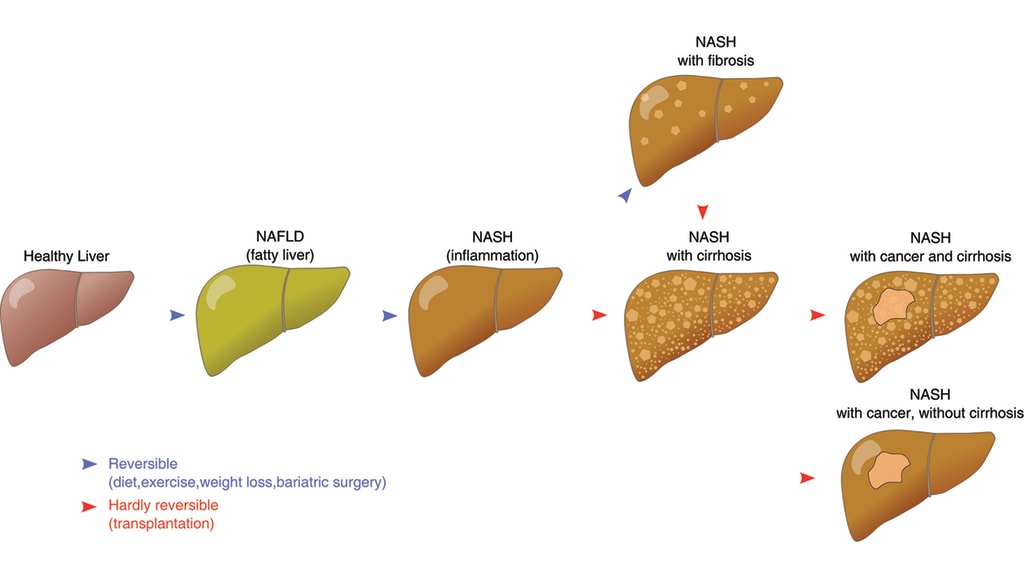
"The Connection Between Fatty Liver Disease and Diabetes: Understanding the Link and How to Manage Your Risk"
Fatty liver disease, also known as hepatic steatosis, is a condition in which excess fat accumulates in the liver. It can be caused by a variety of factors, including obesity and excessive alcohol consumption, but there is also a strong link between fatty liver disease and diabetes. In this article, we will explore the connection between these two conditions and discuss ways to manage your risk.
What is Fatty Liver Disease?
Fatty liver disease is a common condition that occurs when excess fat builds up in the liver. While the liver is able to store some fat, too much can lead to liver damage and a variety of related health problems. There are two main types of fatty liver disease: non-alcoholic fatty liver disease (NAFLD) and alcoholic liver disease (ALD).
NAFLD is the most common type of fatty liver disease and is typically caused by a combination of factors, including obesity, high cholesterol, and high blood pressure. It can also be associated with insulin resistance and type 2 diabetes. ALD, on the other hand, is caused by excessive alcohol consumption and can lead to a variety of liver-related health problems, including cirrhosis and liver failure.
What is Diabetes?
Diabetes is a chronic condition characterized by high blood sugar levels due to a lack of insulin or the body's inability to use insulin effectively. Insulin is a hormone that helps regulate blood sugar levels by allowing sugar to enter cells and be used for energy. When the body is unable to properly use insulin, sugar accumulates in the blood and can lead to a variety of health problems, including nerve damage, kidney damage, and an increased risk of heart disease.
There are two main types of diabetes:
- Type 1 diabetes is an autoimmune disorder in which the body's immune system attacks and destroys the cells that produce insulin. It is typically diagnosed in children and young adults and requires lifelong treatment with insulin injections or an insulin pump.
- Type 2 diabetes, on the other hand, is the most common form of diabetes and is typically caused by a combination of factors, including obesity, poor diet, and lack of physical activity. It can be managed with lifestyle changes and/or medication.
The Connection Between Fatty Liver Disease and Diabetes
The link between fatty liver disease and diabetes is complex, but it is thought that high blood sugar levels may contribute to the development of fatty liver disease. In turn, fatty liver disease can also increase the risk of developing diabetes, as excess fat in the liver can impair its ability to regulate blood sugar levels.
It's important to note that while there is a link between fatty liver disease and diabetes, not everyone with one condition will necessarily develop the other. However, if you have diabetes or are at risk for developing it, it's important to take steps to manage your blood sugar levels and maintain a healthy lifestyle to reduce your risk of developing fatty liver disease.
Managing Your Risk
If you have fatty liver disease or are at risk for developing it, it's important to work with your healthcare provider to develop a treatment plan to manage your condition and reduce your risk of developing diabetes and other related health problems. This may include lifestyle changes, such as eating a healthy diet, getting regular physical activity, and maintaining a healthy weight.
If you have diabetes or are at risk for developing it, it's important to take steps to manage your blood sugar levels and maintain a healthy lifestyle. This includes eating a healthy diet, getting regular physical activity, and taking medications as prescribed.
In conclusion, there is a strong link between fatty liver disease
About the Creator
If You’ve Always Done What You’ve Always Done
At the start of 2025, I started to post articles on my website under the category of ’52 Guiding Lights.' The goal was to share insights on sayings and idioms that aid daily life. I got up to number 16. The goal is to publish these as a management aid. However, we plan to release them in smaller batches, such as 12 at a time. That’s a year’s worth.
By Calvin London4 days ago in Lifehack
The Nutrient Gap No One Talks About When It Comes to Focus and Attention
Key Takeaways Taking the proper nutrients helps maintain optimal body function. The vagus nerve is a vital component in the connection between the brain and the gut. The right supplements, such as Neupril Pure Methylfolate, play a key role in helping clear brain fog.
By Tess DiNapoli7 days ago in Lifehack
The Devil's Cut
“Comrade, finally you’re awake.” The voice was smooth, sensual. A flickering incandescent bar was all that lit the white, sterile room. All Vladimir remembered was everything going black. He tried to move his arms and found them strapped to the gurney.
By Matthew J. Fromm7 days ago in Fiction


Comments
There are no comments for this story
Be the first to respond and start the conversation.