
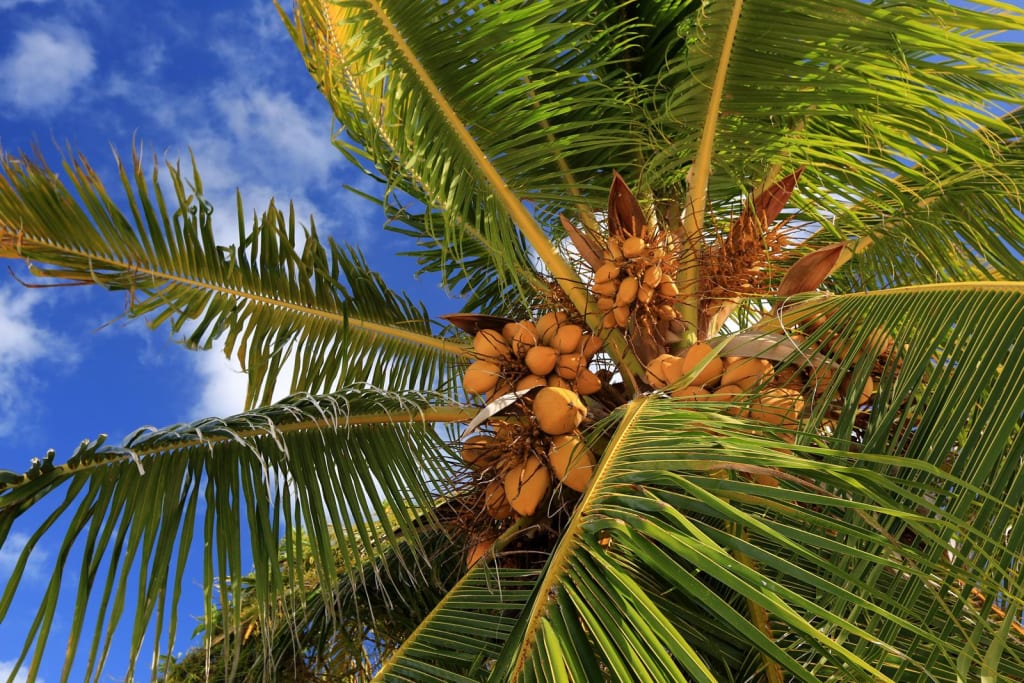
The coconut tree, also known as Cocos nucifera, is a versatile plant that is widely distributed throughout the tropics. It belongs to the Arecaceae family and is one of the most economically important crops in the world.
The coconut tree is a tall palm tree that can grow up to 30 meters in height, with a slender trunk and a crown of large leaves at the top. The leaves can reach up to six meters in length, and are pinnate, meaning that they have many small leaflets arranged along a central stem.
The coconut itself is a large, fibrous fruit that is oval-shaped and has a hard, woody shell. Inside the shell is a layer of white flesh, which is rich in nutrients and used for many culinary purposes. The coconut also contains a clear liquid called coconut water, which is a refreshing and nutritious drink.
In addition to its culinary uses, the coconut tree has many other practical applications. The fibrous husk of the coconut can be used to make rope, mats, and other household items, while the trunk can be used for construction. The leaves are used for thatching roofs and making baskets, and the sap of the tree can be fermented into an alcoholic beverage called toddy.
Overall, the coconut tree is a highly valuable and versatile plant, with a wide range of uses in both culinary and practical applications.
Coconut cultivation is a major source of income and livelihood for many communities in tropical regions around the world. The trees are well adapted to grow in sandy soil and can tolerate saltwater, making them ideal for coastal areas. They are also highly resilient and can withstand strong winds and tropical storms, making them an important crop in areas prone to natural disasters.
Coconut oil, which is extracted from the flesh of the coconut, is a popular ingredient in many cuisines around the world. It is also used in a wide range of personal care products, including soaps, lotions, and hair care products, due to its moisturizing and nourishing properties.
Coconut shells are also commonly used as a fuel source for cooking and heating, as well as in the production of activated carbon, which is used in water filtration and air purification.
Despite its many benefits, coconut cultivation has also been associated with environmental concerns. Large-scale coconut plantations have been known to cause deforestation and soil erosion, and the use of chemical fertilizers and pesticides can have negative impacts on soil health and water quality.
Overall, the coconut tree is an important and versatile crop with many practical applications and cultural significance in tropical regions around the world. Efforts are underway to promote sustainable and environmentally responsible coconut cultivation practices to ensure that this valuable resource can continue to benefit communities for generations to come.
In addition to its practical uses, the coconut tree holds cultural significance in many tropical regions. In many cultures, the coconut tree is considered a symbol of life, fertility, and abundance. The coconut itself is often used in religious ceremonies and is a common offering to deities in Hindu and Buddhist traditions.
Coconut palms are also often depicted in artwork and literature, as well as in the national flags of many tropical nations. In some regions, the coconut tree is also used as a navigational aid for sailors and fishermen, as its distinctive shape and ability to grow near the coast make it a useful landmark.
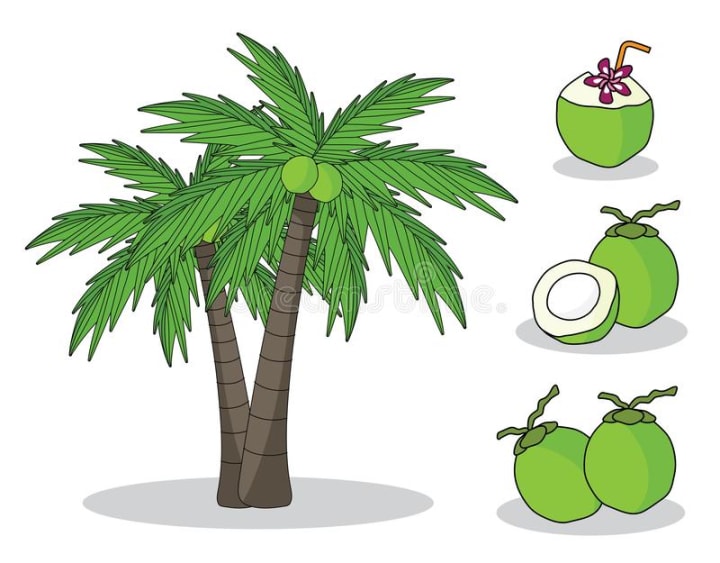
The coconut tree is also important for its role in supporting biodiversity. The tree provides habitat for a wide range of animals, including birds, insects, and small mammals. The fallen leaves and fruit also contribute to the nutrient cycle of the ecosystem, supporting the growth of other plants and organisms.
Despite its many benefits, the coconut tree is also threatened by climate change and other environmental pressures. Rising sea levels, more frequent tropical storms, and changes in rainfall patterns can all affect coconut cultivation, while the spread of pests and diseases can also pose a threat to coconut palms.
Efforts are underway to promote sustainable and resilient coconut cultivation practices, as well as to conserve wild populations of coconut palms and other related species. Through careful management and conservation, it is hoped that the coconut tree can continue to provide important benefits to both human communities and the wider ecosystem for many years to come.
One promising area of research in coconut cultivation is the development of new, more resilient varieties of coconut palms. Scientists are working to identify genetic traits that can help coconut palms tolerate heat, drought, and other environmental stresses, as well as resist pests and diseases.
Another area of focus is the development of more sustainable and environmentally friendly practices for coconut cultivation. This includes the use of organic fertilizers and pest management techniques, as well as the promotion of agroforestry systems that integrate coconut cultivation with other crops and tree species.
In addition to these efforts, there is also a growing awareness of the importance of fair trade and ethical sourcing in the coconut industry. Many companies are working to ensure that the workers who harvest and process coconuts are paid fair wages and work in safe and healthy conditions.
Overall, the coconut tree is a valuable and versatile crop that has played an important role in the cultures and economies of tropical regions for centuries. Through careful management and conservation, as well as ongoing research and innovation, it is hoped that the coconut tree can continue to provide important benefits to both human communities and the wider ecosystem for generations to come.
About the Creator
Keep reading
More stories from Sangeetha S and writers in Lifehack and other communities.
How to Survive as a Broke Student
There are times as a student when you check your account balance, see nothing there, and suddenly even the smallest bills feel overwhelming. In those moments, it can feel like your life is about to fall apart. The feeling of helplessness can be suffocating, as if no matter what you do, there’s no way forward.
By Millicent Chisom6 days ago in Lifehack



Comments
There are no comments for this story
Be the first to respond and start the conversation.