
The Cereal Killer, Eat Your Cereal with Water
Perfect for you when the month wraps up!

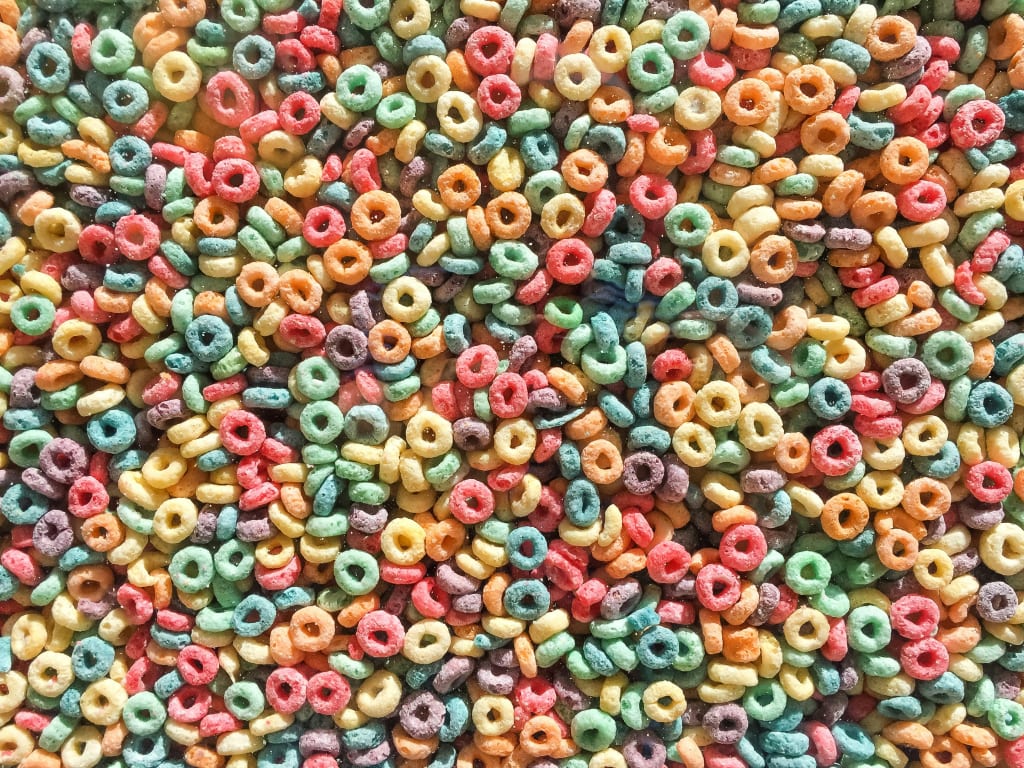
Breakfast is often touted as the most important meal of the day. It serves as the first opportunity to refuel your body after a night of fasting and provides the energy necessary to tackle the day's challenges. Many people opt for cereal as a convenient breakfast choice due to its ease of preparation and variety. However, is cereal truly a healthy option? Let’s delve deeper into the reality of cereal as breakfast, calorie needs, and some interesting facts about it.
The Reality of Cereal: Healthy or Not?
Cereal is typically made from processed whole grains, which can be a good source of carbohydrates, essential for energy. Many cereals are fortified with vitamins and minerals, including B vitamins, iron, and calcium, making them a potentially beneficial part of your diet. However, it's crucial to recognize that not all cereals are created equal. Many popular brands contain high levels of added sugars, which can lead to a quick energy spike followed by a rapid crash. This cycle can leave you feeling sluggish and craving more sugar shortly after breakfast.
When choosing cereal, it’s essential to read the nutrition labels carefully. Look for cereals that are high in fiber (at least 3 grams per serving) and low in sugar (less than 10 grams per serving) to maximize health benefits. Fiber is particularly important as it aids in digestion and helps keep you feeling full longer, which can prevent overeating later in the day. For example, oatmeal and whole grain-based cereals are often better options compared to cereals that are heavily processed with added sugars.
Caloric Needs and Serving Sizes
A typical serving of cereal usually ranges from 100 to 200 calories. However, many people tend to pour more than necessary, often leading to larger-than-intended portions. When you add milk and possibly fruits, the total calorie count can quickly increase. For a healthy breakfast, it's advisable to keep the total calories under 400–500 calories. You can achieve this by incorporating a protein source, such as yogurt or low-fat milk, along with fresh fruits. This combination not only enhances the nutritional value of your meal but also provides essential nutrients needed to kickstart your day.
Fun Fact: Using Water with Cereal
Did you know that to make cereal healthier, you can use water instead of milk? This simple swap can significantly reduce extra calories while providing hydration without adding fat or sugar. Many people might find this idea unusual, but cereal can feel fresher and lighter when served with water. It’s an excellent option for those looking to cut calories or who may be lactose intolerant.
Choosing the Right Cereal
Selecting a healthy cereal can feel overwhelming given the myriad of options available on store shelves. Here are some practical tips for choosing a healthier cereal:
- Check Sugar Content: Look for cereals with less than 5 grams of sugar per serving. Excess sugar can lead to unwanted weight gain and health issues over time.
- Choose High Fiber: Ensure the cereal contains at least 3 grams of fiber per serving. Fiber promotes digestive health and contributes to feelings of fullness.
- Avoid Additives: Opt for cereals made from simple ingredients, without preservatives or artificial colors. Whole grains should be the first ingredient listed.
- Add Protein: Consider combining cereal with protein sources such as yogurt, milk, or nuts. This addition can promote longer satiety and provide a balanced meal.
- Include Fresh Fruits: Adding fresh fruits like bananas, berries, or apples can enhance the flavor and nutritional value of your breakfast. Fruits provide essential vitamins and minerals, along with additional fiber.
- Watch Portion Sizes: Use measuring cups to control portion sizes, especially when starting with a new cereal. This practice can help you stay within your calorie goals.
While cereal can be a convenient and quick breakfast option, it’s important to consider healthier choices. By reading nutrition labels and selecting the right cereals, you can create a breakfast that is not only delicious but also nutritious.
Conclusion: Starting Your Day Right
Always remember that breakfast is an opportunity to start the day with the right energy and nutrition. Making informed choices about what you eat can significantly impact your overall health and well-being. So, the next time you pour cereal into your bowl, remember to choose healthy options, opt for high-fiber, low-sugar varieties, and perhaps consider mixing it with water for a lighter alternative. By taking these small steps, you can turn breakfast into a nourishing meal that sets a positive tone for the rest of your day.
About the Creator
mici ochi
"Welcome to a world of stories and inspiration! I share unique perspectives on life, creativity, and meaningful moments often overlooked. Join me to explore, learn, and find new insights—one paragraph at a time. Ready to dive in?"
Keep reading
More stories from writers in Lifehack and other communities.
Preparing to Move After Listing Your Home in the United States
Listing a home for sale is often the first step in a process that brings both excitement and uncertainty. While much attention is usually placed on preparing the property for showings and negotiating offers, the move that follows deserves just as much consideration. For homeowners across the United States, preparing to relocate while a home is on the market requires careful organization, realistic expectations, and emotional awareness.
By House Doctor4 days ago in Lifehack
Essential Differences Between MMA Flooring and Epoxy Flooring Systems
Ever walk into a big store, a hospital, or maybe even a high-end garage and catch yourself thinking, “Wow, that floor actually looks great—what’s it made of?” Turns out, there’s a good chance you’re standing on either MMA flooring or epoxy flooring. These two pop up all over the place, and for good reason. People pick them for all sorts of different spaces. At a glance, they seem pretty similar. But trust me, they’re not the same at all.
By Muhammad Hanzla8 days ago in Lifehack
When True Love Never Questions Your Soul
“And she’s going to learn that this life will hit you, hard, in the face, wait for you to get back up, just so it can kick you in the stomach but getting the wind knocked out of you is the only way to remind your lungs how much they like the taste of air.” — Sarah Kay’s Poem — If I Should Have a Daughter
By Chantal Christie Weissa day ago in Humans
Book Review: Atmosphere by Taylor Jenkins Reid
I flipped the book over in my hands in the centre of the small airport book shop. Although I had heard promising reviews of Atmosphere by Taylor Jenkins Reid, I hesitated. The synopsis didn’t compel me - I wasn’t much of a space girly. In high school it made me cringe when my peers would talk about the stars.
By sleepy drafts6 days ago in BookClub



Comments
There are no comments for this story
Be the first to respond and start the conversation.