
The Benefits and Potential Harms of Oatmeal: A Comprehensive Analysis
Oatmeal: A Nutritious and Versatile Superfood

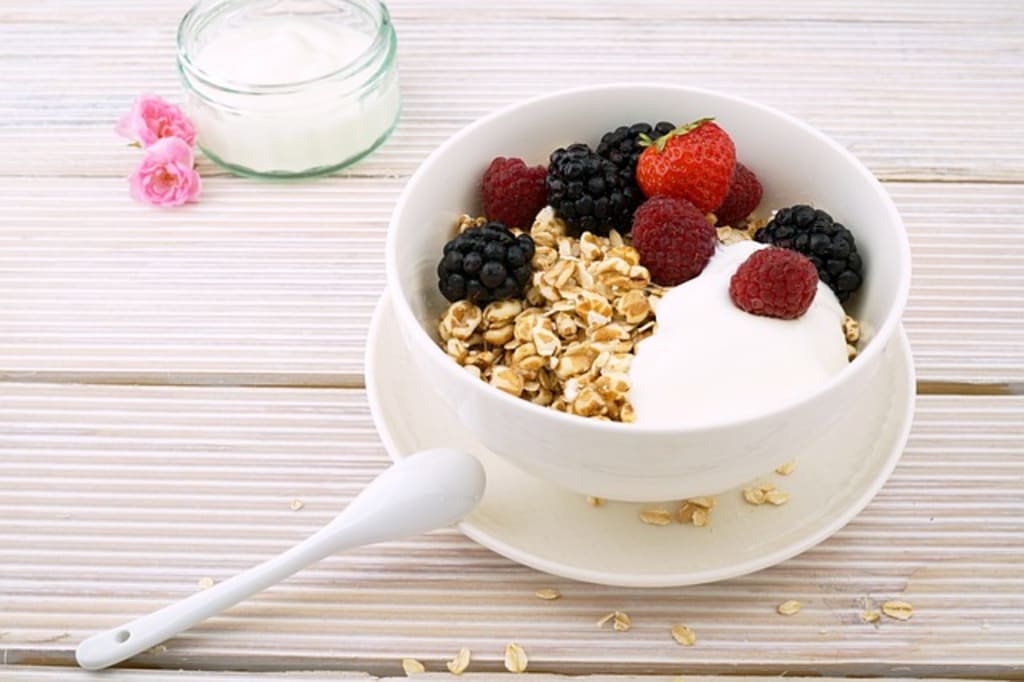
Oatmeal, a popular breakfast option, has gained attention for its nutritional profile and potential health benefits. Packed with fiber, vitamins, and minerals, oatmeal is often regarded as a wholesome choice. However, it is important to consider both the benefits and potential drawbacks associated with consuming oatmeal. This article aims to provide a balanced analysis of the advantages and disadvantages of oatmeal as part of a healthy diet.
1-Benefits of Oatmeal:
Oatmeal is a versatile and nutritious food that offers numerous health benefits. It is rich in essential nutrients and dietary fiber, making it a popular breakfast choice. The benefits of oatmeal include:
- Rich in Nutrients: Oatmeal is a good source of essential nutrients, including fiber, magnesium, phosphorus, manganese, thiamine (vitamin B1), and iron. These nutrients support various bodily functions, such as digestion, energy production, and overall well-being.
- Weight Management: Oatmeal is often recommended for weight management due to its high fiber content. It provides a feeling of satiety, preventing overeating and helping to control calorie intake. Additionally, the slow release of carbohydrates in oatmeal helps stabilize blood sugar levels and sustain energy throughout the day.
- Heart Health: Regular oatmeal consumption has been associated with a reduced risk of cardiovascular diseases. The soluble fiber in oatmeal helps lower LDL (bad) cholesterol levels, subsequently reducing the risk of heart disease and stroke.
- Antioxidant Properties: Oatmeal contains antioxidants, such as avenanthramides, which have anti-inflammatory and anti-itching properties. These antioxidants contribute to overall skin health and can help reduce the risk of chronic diseases associated with inflammation.
- High Fiber Content: Oatmeal contains soluble fiber, particularly a type called beta-glucan. This fiber helps reduce cholesterol levels, promotes heart health, and aids in maintaining stable blood sugar levels. It also contributes to healthy digestion by promoting regular bowel movements.
- High in Nutritional Value: Oatmeal is a nutrient-dense food that provides a range of essential vitamins and minerals. It contains nutrients like manganese, phosphorus, magnesium, copper, iron, and B vitamins (thiamine, riboflavin, niacin). These nutrients are important for various bodily functions and overall health.
2-Potential Harms of Oatmeal:
Oatmeal is a nutritious and beneficial food that offers numerous health benefits. However, it is important to be aware of the potential harms or limitations associated with oatmeal consumption. These potential harms include:
- Gluten Sensitivity: Oatmeal is naturally gluten-free; however, cross-contamination during processing and packaging may occur. This can be problematic for individuals with gluten sensitivity or celiac disease. To ensure gluten-free oatmeal, it is important to choose certified gluten-free products.
- Added Sugars and Toppings: Commercially available flavored oatmeal packets may contain added sugars, artificial flavors, and other unhealthy additives. These can undermine the health benefits of oatmeal. It is advisable to opt for plain oats and customize them with nutritious toppings like fresh fruits, nuts, and seeds.
- Phytic Acid Content: Oatmeal, like other grains, contains phytic acid, which can bind to minerals such as calcium, zinc, and iron, reducing their absorption. While this is generally not a concern for individuals with a varied diet, it may be relevant for those who rely heavily on oatmeal as a primary food source.
- High Caloric Density: While oatmeal is a nutritious food, it can also be calorie-dense, especially when prepared with added sugars, fats, or large portion sizes. If consumed excessively or with high-calorie toppings, it may contribute to weight gain or hinder weight management efforts. It is important to be mindful of portion sizes and choose nutritious toppings or additions.
- Allergies and Sensitivities: While rare, some individuals may have allergies or sensitivities to oats. Symptoms may include gastrointestinal discomfort, skin rashes, or respiratory issues. If you experience any adverse reactions after consuming oatmeal, it is advisable to consult a healthcare professional.
- Individual Digestive Sensitivities: Oatmeal, particularly when consumed in large amounts, can cause digestive issues in some individuals. This includes symptoms like bloating, gas, or stomach discomfort. If you experience these issues, it may be beneficial to moderate your oatmeal intake or consider alternative grain options.
It's important to note that the potential harms of oatmeal are relatively minimal and generally affect only a small portion of the population. For the majority of individuals, oatmeal can be a nutritious and beneficial addition to a balanced diet. As with any food, it is essential to consider personal dietary needs, preferences, and potential sensitivities when incorporating oatmeal into your meals.
3-Ways to eat oats:
These are just a few ideas to inspire you to get creative with oats. Feel free to adapt and experiment with different recipes to suit your taste preferences and dietary needs. Enjoy the versatility and nutritional benefits of oats in your everyday meals
Here are numerous ways to enjoy oats in your meals. Here are some popular ways to eat oats:
- Hot Oatmeal: The most common way to eat oats is by preparing hot oatmeal. Cook oats with water or milk (dairy or plant-based) on the stovetop or in the microwave. Add flavors like cinnamon, vanilla extract, or sweeteners like honey or maple syrup. Top it with fresh fruits, nuts, seeds, or a dollop of yogurt for added texture and taste.
- Overnight Oats: Prepare oats the night before by soaking them in liquid (water, milk, or yogurt) along with toppings like chia seeds, fruits, or nuts. Leave them in the refrigerator overnight, and in the morning, you'll have a ready-to-eat cold oatmeal with a creamy and soft texture.
- Oatmeal Smoothies: Add oats to your favorite smoothie recipe for a nutritional boost. Blend oats with fruits, milk or yogurt, and other desired ingredients to create a thick and filling smoothie.
- Oatmeal Cookies: Make homemade cookies using oats as a base ingredient. Combine oats with flour, sweeteners, fats (like butter or coconut oil), and additional mix-ins such as chocolate chips, dried fruits, or nuts. Bake them into delicious and wholesome cookies.
- Oat Granola Bars: Create homemade granola bars by combining oats, nuts, seeds, dried fruits, sweeteners, and binding ingredients like nut butter or honey. Press the mixture into a pan, chill, and then cut into bars for a convenient and nutritious snack.
- Oatmeal Parfait: Layer oats with Greek yogurt and fresh or frozen fruits in a glass or jar to create a delicious and visually appealing parfait. Repeat the layers and top with nuts or granola for added crunch.
- Oat Milk: Make your own oat milk by blending rolled oats with water, then straining the mixture through a cheesecloth or fine-mesh sieve. Use the oat milk in your favorite recipes, smoothies, or as a dairy-free milk alternative.
In the conclusion,Oatmeal offers numerous health benefits due to its nutrient profile, high fiber content, and potential to support heart health, weight management, and blood sugar control. However, individuals with gluten sensitivity should exercise caution and choose certified gluten-free oatmeal. Additionally, it is essential to be mindful of added sugars and unhealthy toppings when selecting oatmeal products. As with any food, moderation and variety are key to enjoying the benefits of oatmeal as part of a balanced diet.
oats are a versatile and nutritious ingredient that can be enjoyed in a variety of ways. They offer numerous health benefits, including being a great source of fiber, supporting heart health, aiding in blood sugar control, promoting weight management, and supporting digestive health. Oats are also rich in essential vitamins, minerals, and antioxidants.
Overall, oats are a valuable addition to a balanced and varied diet, providing nourishment, energy, and a range of health benefits. So go ahead and explore the many ways to incorporate oats into your meals and enjoy their goodness!..
About the Creator
lynda
I have always enjoyed writting and exploring new ideas.
Forgotten Packing Items That Make Port A Rentals Guest-Friendly
Stepping into a vacation rental should feel like a home away from home, with a clean space, cozy beds, and, perhaps, a great view to unwind. But sometimes, even the best-planned trips can be disrupted by an unexpected challenge when guests forget to pack a few essentials.
By The Mayan Princessabout 23 hours ago in Lifehack
Cooking Up Connection: Romantic Recipes to Enjoy as a Couple
Turning your kitchen into a romantic space doesn’t require extravagant effort. Start with lighting—switch off the overhead lights and let candles or warm lamps create a cozy atmosphere. Add soft music that you both enjoy and clear the counters to give yourselves space to move freely. These thoughtful touches can transform even a modest kitchen into a place of intimacy and fun.
By Micah Love-Alloteyabout 11 hours ago in Lifehack




Comments
There are no comments for this story
Be the first to respond and start the conversation.