
The Art of Mindful Eating
How to Savor Your Food and Boost Your Well-Being
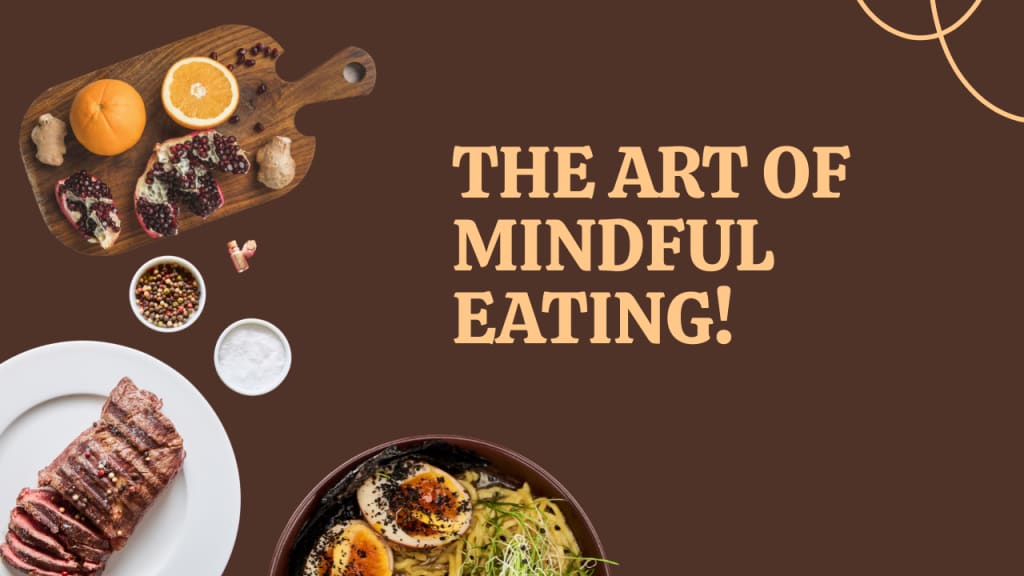
Eating is one of the most basic and essential activities we engage in as human beings. However, in our fast-paced, modern world, we often rush through our meals without paying attention to what we're eating or how it makes us feel. This is where the practice of mindful eating comes in – it's a simple yet powerful way to bring more awareness and intentionality to our eating habits.
At its core, mindful eating is about being fully present and attentive to the experience of eating. This means slowing down, focusing on the sensations of taste and texture, and tuning into the signals our bodies are sending us about hunger and fullness. By doing so, we can develop a deeper connection to our food and our bodies, and cultivate a more balanced and nourishing relationship with eating.
Here are some tips for practicing mindful eating:
1. Start with awareness. Before you even take a bite, take a moment to check in with yourself. How hungry are you? What kind of food are you in the mood for? What emotions or thoughts are present for you right now? By bringing awareness to your internal state, you can make more intentional choices about what and how you eat.
2. Slow down. It's easy to rush through meals, especially when we're busy or distracted. But eating too quickly can lead to overeating and indigestion. Instead, take your time with each bite. Chew slowly, savoring the flavors and textures of your food. Put your fork down between bites and take a breath. Enjoy the experience of eating, rather than just trying to get it over with.
3. Use your senses. Eating is a sensory experience – we taste, smell, see, and feel our food. Pay attention to each of these senses as you eat. Notice the colors and textures of your food, the aromas wafting up from your plate, and the flavors on your tongue. By engaging all of your senses, you can fully appreciate and enjoy your food.
4. Listen to your body. Our bodies are wise – they know when we're hungry and when we're full. By tuning into our physical sensations, we can learn to eat in a way that supports our health and well-being. Notice when your hunger begins to subside, and stop eating when you feel comfortably full. Don't be afraid to leave a little food on your plate if you're satisfied – you can always save it for later.
5. Practice gratitude. Eating is a privilege, and one that we often take for granted. Take a moment before and after your meal to express gratitude for the food you're about to eat and the nourishment it provides. By cultivating a sense of gratitude, we can deepen our appreciation for the abundance in our lives.
Practicing mindful eating can have a range of benefits for our health and well-being. By slowing down and tuning in to our bodies, we can improve our digestion, reduce stress and anxiety, and even enhance our enjoyment of food. Additionally, mindful eating can support weight loss and weight maintenance, as it helps us make more conscious and intentional choices about what and how we eat.
In conclusion, the art of mindful eating is a simple but powerful practice that can transform our relationship with food and our bodies. By bringing awareness, intentionality, and gratitude to our eating habits, we can cultivate a more balanced and nourishing approach to nourishing ourselves. So the next time you sit down for a meal, take a deep breath, slow down, and savor the experience – your body and mind will thank you for it.
About the Creator
The Quarterly OKR Review: Getting the Most from Your Retrospectives
The end of an OKR cycle is not simply an administrative milestone where scores are recorded and new objectives are set. It is, or should be, the most valuable learning opportunity in the entire process. Yet many organisations rush through their quarterly reviews, treating them as a box-ticking exercise rather than the strategic conversation they deserve.
By Jane Smithh3 days ago in Lifehack
How to Get Promoted in a Remote Job
Remote work changed how we get hired. It also changed how we get promoted. In a traditional office, visibility is automatic. You’re seen walking in early. You’re seen staying late. You’re in meetings. You’re in the hallway conversations.
By Bahati Mulishi6 days ago in Lifehack




Comments
There are no comments for this story
Be the first to respond and start the conversation.