
That Heart-Stopping Drop: Could the iPhone 17 Finally Solve Our Grip & Grace Problems?
The clatter of glass meeting unforgiving pavement?

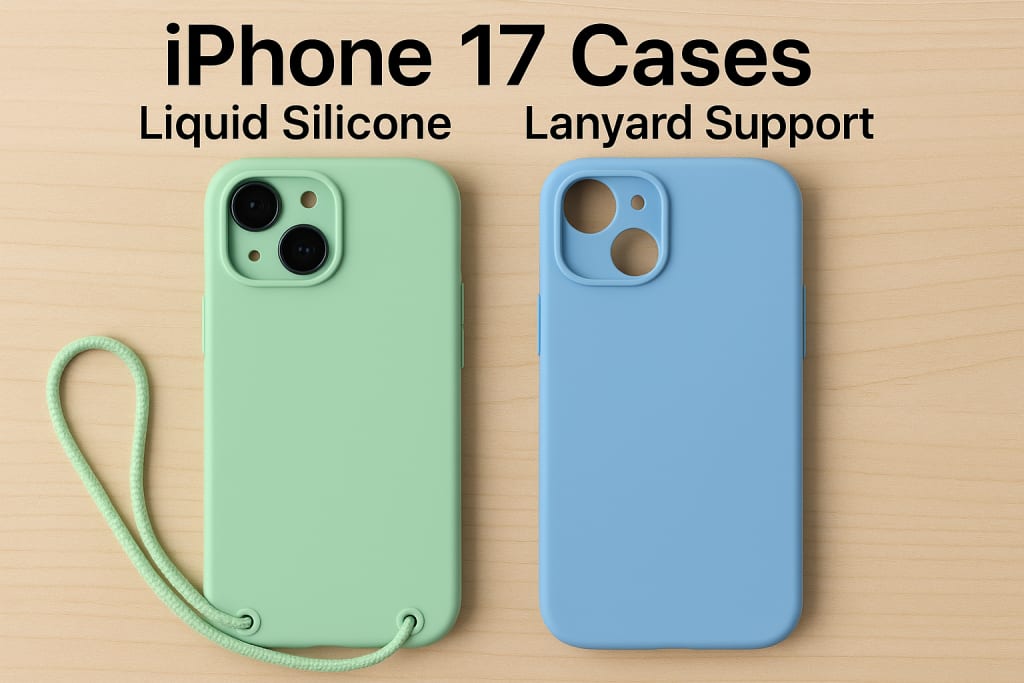
Remember that sickening sound? The clatter of glass meeting unforgiving pavement? Maybe it was slipping out of a jacket pocket as you juggled groceries. Or perhaps a rogue elbow nudged it off the cafe table mid-scroll. We’ve all been there. That visceral moment of panic, the desperate lunge (usually futile), the dreading inspection for spiderwebs on the screen. Our phones are our lifelines, our cameras, our wallets – yet holding onto them sometimes feels like trying to grip a bar of soap in the rain.
That’s why whispers about the next iPhone always grab attention. And the latest buzz, sparked by some surprisingly telling case leaks, isn’t just about faster chips or better cameras (though those are surely coming). It’s about something far more… tactile. Something that speaks directly to that daily fear of the fatal slip. Fresh whispers, backed by images floating around, suggest the iPhone 17 might bring a revolution in how the phone feels in your hand and how securely you can keep it there. We’re talking about a potential shift to a "Liquid Silicone" design and the surprising, almost nostalgic, return of lanyard support. Yeah, you read that right. A lanyard. Like your old digital camera or Nintendo Wii remote. But trust me, this isn’t just nostalgia; it might be genius.
Decoding the Case Clues: More Than Just Plastic Molds
So, what’s the actual evidence? It boils down to leaked third-party case designs reportedly based on early iPhone 17 specs. These aren't just random guesses; case makers get preliminary info to ensure their products are ready at launch. The details echoing from these leaks, notably highlighted by sources like PhoneArena, paint a fascinating picture:
The "Liquid Silicone" Promise: The term itself is evocative. Forget the sometimes slippery glass sandwiches or cold, hard metal edges of recent years. This suggests a material change for the iPhone’s back or frame. Imagine something softer, grippier – maybe akin to the luxurious, slightly yielding feel of Apple’s own official silicone cases, but baked right into the phone itself. Think less slippery glass, more confident hold. That subtle tackiness that makes you feel like the phone is actively sticking to your palm, not trying to escape. It whispers "security" every time you pick it up.
The Lanyard Loop Lowdown: This is the detail that really turned heads. The leaked cases show a distinct, small cutout or molded point near the bottom edge of the device. It’s not a charging port, not a mic hole. Case makers are interpreting this as an anchor point for a lanyard or wrist strap. A tiny hole, maybe reinforced, where you could loop a thin cord or strap. It sounds almost comically simple, right? Yet, the implications are huge.
Why "Liquid Silicone"? Beyond the Buzzword
Let’s get real about that name. "Liquid Silicone" likely refers to Liquid Silicone Rubber (LSR). It’s not literally liquid, but it’s injected into molds in a liquid state before curing into a solid, flexible, and incredibly durable rubber. Why would Apple consider this?
Grip, Glorious Grip: This is the big one. LSR offers significantly higher friction than glass or aluminum. Sweaty hands after a run? No problem. Grabbing it quickly from your pocket in the rain? Much safer. It fundamentally changes the tactile relationship with the device.
Durability & Shock Absorption: Silicone rubber is naturally shock-absorbent. While it won’t make the phone indestructible, integrating it into the body could offer better protection against minor bumps and drops compared to harder materials. Think of it as a tiny bit of built-in cushioning.
Premium Feel: Done right, LSR feels fantastic – soft, smooth, yet substantial. Apple’s silicone cases are beloved for a reason. Integrating that feel into the phone itself elevates the everyday experience.
Design Freedom: LSR can be molded into complex shapes and textures more easily than metal. Could this open doors for ergonomic curves or subtle grip patterns integrated directly into the chassis?
Potential Sustainability Angle: While debatable, highly durable materials mean phones might last longer before needing replacement due to cosmetic wear or minor damage. Less slippery = fewer drops = less chance of a cracked screen needing repair or replacement.
The Lanyard: Nostalgia Meets Modern Necessity
Okay, let’s address the elephant in the room. A lanyard? On a phone? In 2025? It feels… retro. Maybe even a bit dorky? But hold that thought. Let’s reframe it.
Think about when you’re most vulnerable to drops:
Capturing the Moment: You’re straining to get that perfect shot over a crowd at a concert or leaning over a scenic vista. One slip, and your phone plummets. A thin lanyard looped around your wrist turns that potential disaster into a harmless pendulum swing.
The Commuter Chaos: Juggling a coffee, bag, and phone while trying to scan your ticket or check directions. A lanyard worn crossbody or just looped on your wrist provides instant security. No more fumbling at the train doors.
Active Lifestyles: Hiking, biking, even just walking the dog. Having your phone securely tethered means you can use it for navigation or photos without constant fear. Parents handing their phone to a kid for a quick game? Lanyard = peace of mind.
The "Table Slide": We’ve all nudged a phone perilously close to the edge of a table or bar. A lanyard dangling off the side acts like a little anchor, preventing the slide into oblivion.
Accessibility Boost: For anyone with dexterity challenges or conditions that make grip difficult, a lanyard could be a game-changer for independent phone use.
It’s not about wearing your phone around your neck like a tourist badge (though you could!). It’s about having a simple, physical choice for added security in high-risk situations. It’s an elegant, low-tech solution to a very modern, high-stakes problem. It turns passive fear into active control.
Connecting the Dots: Apple’s Design Evolution (or Revolution?)
If these leaks hold water, what does it signal about Apple’s thinking?
Prioritizing Practicality: After years focusing on slimness and premium materials (glass, stainless steel), this feels like a shift towards user-friendly, everyday resilience. Recognizing that phones live in the messy real world.
Listening to Pain Points: The sheer number of cases sold, especially grippy ones, screams that users are crying out for better hold. The lanyard hole is such a specific, almost un-Apple-like feature historically (remember the iPhone 4 antenna band saga?), it suggests they’re directly addressing a common frustration.
Sustainability Through Durability? While unconfirmed, building a tougher, grippier phone could indirectly support longevity – fewer accidental drops mean fewer repairs or replacements. That aligns with broader environmental goals.
The Courage to be… Practical? Adding a tiny hole for a lanyard isn’t flashy, but it’s incredibly functional. It shows a willingness to embrace simple solutions, even if they seem unconventional for a flagship phone.
Real-World Scenarios: Life with a Grippy, Tethered iPhone 17
Let’s paint some pictures:
Sarah at the Summer Festival: Sun blazing, hands sticky from lemonade. She’s trying to capture her favorite band. Her current phone feels like it’s coated in oil. With the iPhone 17’s "Liquid Silicone" back, it nestles securely in her palm. The thin, colorful lanyard looped around her wrist lets her lean out for the perfect shot without a second thought about disaster.
David on his Morning Run: Light rain falling. He needs to check his route. Pulling out his current phone is nerve-wracking. The new iPhone 17 feels confidently grippy even wet. The lanyard attaches securely to his running belt loop. If it slips, it just dangles safely.
Grandma Joan Video Calling: Her hands aren’t as steady as they used to be. Holding a smooth phone for long periods is tiring and risky. The softer, grippier texture of the iPhone 17 is easier and more comfortable to hold. A simple wrist strap gives her the confidence to chat without worrying about fumbles.
You, at the Busy Coffee Shop: Trying to pay with Apple Pay while balancing a latte and your bag. A quick tap, and instead of juggling, you just let go. The phone hangs securely from your wrist via its lanyard, leaving your hands free.
It’s about weaving security seamlessly into the fabric of daily life. Reducing friction, literally and figuratively.
The Skeptic's Corner: Questions and Caveats
Of course, it’s crucial to remember these are leaks. Plans change. Prototypes evolve. Some questions linger:
Material Reality: Will the entire back be LSR? Or just sections (like the frame)? How does it integrate with wireless charging? Will it pick up lint like silicone cases sometimes do?
Lanyard Logistics: How robust is the anchor point? Will Apple sell official lanyards? How thick a cord fits? Will it interfere with charging in some docks?
Aesthetic Appeal: Can Apple make silicone feel truly premium on the device itself, not just a case? Will the lanyard hole look out of place on a sleek flagship?
Case Compatibility: Ironically, the very cases leaking this info might fit differently if the phone's material changes significantly.
The Takeaway: More Than Just a Phone, A Lifeline Secured
The buzz around these Leaked iPhone 17 cases hinting at a "Liquid Silicone" design with lanyard support isn't just idle gossip. It taps into something fundamental: our deep-seated anxiety about damaging these incredibly important, incredibly fragile devices we rely on every single minute.
It’s a potential acknowledgment that the pursuit of thinness and glassy perfection might have sacrificed a bit too much practicality at the altar of design. It suggests Apple might be ready to bring a bit of human-friendly resilience back into the equation.
Imagine a phone that wants to stay in your hand. A phone that offers a simple, physical tether against the chaos of daily life. A phone that feels less like a precious, slippery artifact and more like a trusty, robust tool designed for the real world.
So, what do you think? Does the idea of a grippier iPhone 17 with a lanyard hole excite you? Does it solve a real problem you face? Or does it seem like an unnecessary step backwards? Would you use a lanyard on your thousand-dollar phone?
Think back to your last near-miss drop. The adrenaline spike. The relief (or despair). Now imagine that moment, but instead of panic, there's just… security. That tiny loop and that grippy texture could represent a massive shift in how we interact with our most essential gadget. It’s not about bells and whistles; it’s about peace of mind, woven right into the design. That’s something worth getting a grip on.
About the Creator
John Arthor
seasoned researcher and AI specialist with a proven track record of success in natural language processing & machine learning. With a deep understanding of cutting-edge AI technologies.
Keep reading
More stories from John Arthor and writers in Lifehack and other communities.
The Unbreakable Terence Stamp: From Swinging London to General Zod and Beyond
You know that face. Those sharp, almost aristocratic features. Eyes that can flash with icy menace or crumple with unexpected vulnerability. A voice that’s pure gravel wrapped in velvet silk – capable of delivering lines that freeze your blood or stir your soul. That’s Terence Stamp. Or is it Terrence Stamp? (It’s the first one, but folks get it wrong all the time, a tiny testament to his unique, slightly elusive aura). He’s not just an actor; he’s a walking, talking piece of cultural history, a chameleon who’s lived a dozen lives on and off screen. And honestly? His journey, from the dizzying heights of 60s fame to iconic villainy and unexpected reinvention, feels less like a career and more like an epic novel.
By John Arthor5 months ago in Lifehack
The AI Ecosystem in 2026
By 2026, the ecosystem of artificial intelligence will have matured beyond experimentation and early adoption. It is now a complex, interconnected infrastructure shaping industries, markets, institutions, and everyday life. AI is no longer a niche technology: it is a foundational layer of the digital economy, much like the internet itself. Understanding this ecosystem requires looking beyond models and algorithms to the roles, relationships, and platforms that make AI an essential and sustainable force.
By Sathish Kumar about 21 hours ago in Lifehack




Comments
There are no comments for this story
Be the first to respond and start the conversation.