
Tea Houses on the Annapurna Base Camp Trek: What to Expect
Travel
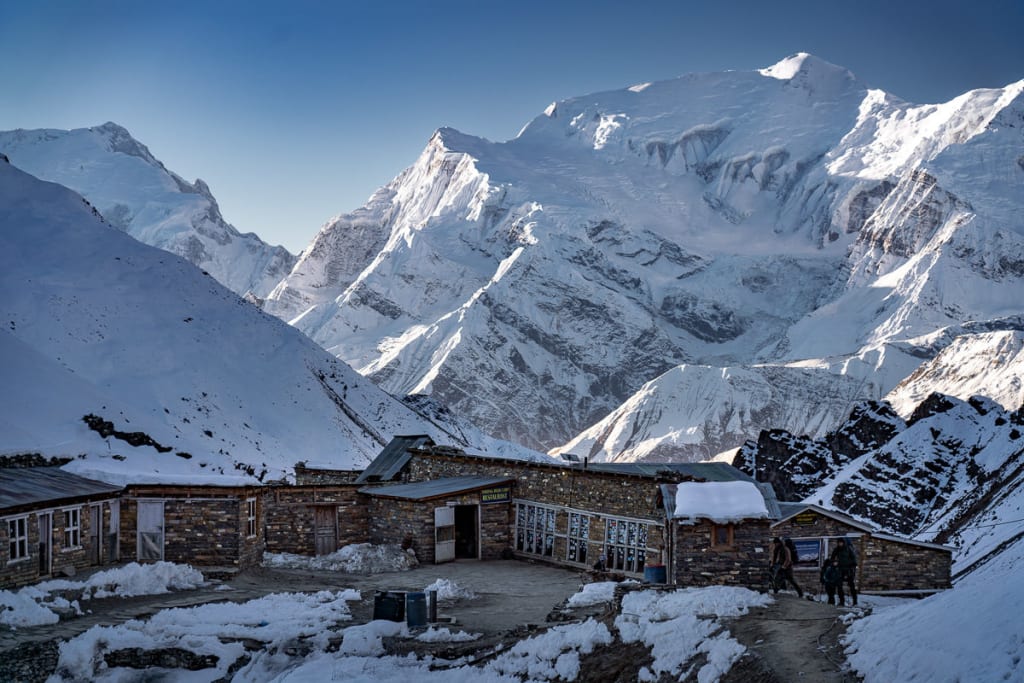
The Annapurna Base Camp trek is a dream destination for trekkers worldwide, offering breathtaking views, diverse landscapes, and a rich cultural experience. One of the most unique aspects of this trek is the opportunity to stay in traditional tea houses along the route. These tea houses are not just places to rest your head; they are a vital part of the trekking experience, providing food, shelter, and a chance to connect with local culture. Here’s what you can expect when staying in tea houses on the annapurna base camp
1. What Are Tea Houses?
Tea houses are small, family-run lodges that provide basic accommodation and meals to trekkers. They are scattered along the trekking routes in the Himalayas, including the Annapurna region. Tea houses are an essential part of the trekking infrastructure in Nepal, offering a comfortable and authentic way to experience the local culture.
2. Basic but Comfortable Accommodation
Accommodation in tea houses is generally simple and basic but comfortable. Rooms usually consist of twin beds with thin mattresses, pillows, and blankets. Don’t expect luxury, as the focus is on providing a place to sleep after a long day of trekking. Most tea houses have shared bathrooms, and hot showers are available at an extra cost. While the amenities are basic, the warmth and hospitality of the hosts more than make up for it.
3. Cozy Communal Dining Areas
One of the highlights of staying in a tea house is the communal dining area, often heated by a wood-burning stove. This space becomes the heart of the tea house, where trekkers gather to eat, relax, and share stories from the trail. The dining areas are usually cozy and decorated with local artwork and photographs, adding to the cultural experience. It’s a great place to meet fellow trekkers and bond over shared experiences.
4. Hearty Meals to Fuel Your Trek
Tea houses provide a variety of meals to keep you fueled for the trek ahead. The menu typically includes Nepali staples like dal bhat (rice and lentil soup), as well as international dishes such as pasta, noodles, and pancakes. While the food is simple, it’s hearty and satisfying, designed to provide the energy needed for trekking at high altitudes. Most tea houses also offer a selection of hot beverages, including the famous Nepali tea and strong coffee.
5. Limited Electricity and Charging Facilities
Electricity is available in most tea houses, but it’s often limited and may come at an extra cost, especially in more remote areas. Charging your devices, such as cameras and phones, can be done in the communal areas, but don’t expect fast charging speeds. It’s advisable to bring a power bank to ensure you have enough battery for the entire trek. Additionally, lighting in rooms is usually dim, so a headlamp or flashlight is a handy item to carry.
6. Wi-Fi and Connectivity
Wi-Fi is available in some tea houses along the Annapurna Base Camp trek, but it’s often slow and unreliable. In higher altitudes, the connection may be nonexistent. While it can be tempting to stay connected, many trekkers find it refreshing to disconnect from the digital world and fully immerse themselves in the trekking experience. If you do need to use Wi-Fi, be prepared to pay a small fee for access.
7. Cultural Immersion
Staying in tea houses offers a unique opportunity to immerse yourself in the local culture. Most tea houses are run by local families, and you’ll have the chance to interact with them and learn about their way of life. From observing traditional cooking methods to participating in local festivals or ceremonies, the cultural experiences you gain in tea houses add a rich layer to your trek.
8. Environmentally Conscious Practices
Many tea houses in the Annapurna region are committed to environmentally conscious practices. Given the fragile ecosystem of the Himalayas, efforts are made to minimize waste and reduce environmental impact. For example, many tea houses encourage trekkers to refill their water bottles instead of buying bottled water, and some have solar panels to generate electricity. As a trekker, you can contribute by following the "leave no trace" principles and being mindful of your environmental footprint.
9. Varying Standards Across the Trek
The standard of tea houses can vary depending on their location along the trek. In more popular areas like Ghorepani and Chomrong, tea houses are relatively well-equipped with better facilities, including hot showers and more extensive menus. As you ascend higher towards the Annapurna Base Camp, the tea houses become more basic, with fewer amenities and limited food options. It’s important to adjust your expectations accordingly as you progress along the trail.
10. The Cost of Staying in Tea Houses
Staying in tea houses is generally affordable, making the Annapurna Base Camp trek accessible to a wide range of travelers. The cost of a room varies depending on the location and the season, with prices increasing as you get closer to the base camp. Meals are also reasonably priced, although the cost can rise with altitude due to the difficulty of transporting supplies to higher elevations. It’s a good idea to carry enough cash, as ATMs are not available along the trek.
11. Booking in Advance
During peak trekking seasons, such as spring (March to May) and autumn (September to November), tea houses can fill up quickly. While it’s usually possible to find accommodation on a walk-in basis, booking in advance during these periods can ensure you have a place to stay. Your guide can often assist with reservations, especially in more popular spots along the trail.
12. The Social Aspect of Tea Houses
The social aspect of staying in tea houses is one of the most enjoyable parts of the trek. Evenings are spent in the company of trekkers from around the world, sharing stories, playing card games, or simply relaxing by the fire. The camaraderie that develops in these communal spaces often leads to lifelong friendships and a sense of shared adventure.
13. Adapting to High Altitudes
As you climb higher, you’ll notice the effects of altitude on your body. Tea houses provide a safe and comfortable environment to rest and acclimatize. Most tea houses have basic first-aid supplies, and the staff is usually knowledgeable about altitude sickness and can offer advice on how to cope with it. Taking your time and staying hydrated are key to successfully adapting to the high altitudes of the Annapurna region.
14. Unique Experiences at Each Tea House
Each tea house along the Annapurna Base Camp trek has its own unique charm and character. Whether it’s the stunning views from your window, the friendly hosts, or the delicious local food, each stop on the trek offers something special. These unique experiences make each day of the trek exciting and memorable, contributing to the overall adventure.
15. Final Thoughts: The Tea House Experience
The tea house experience is an integral part of the Annapurna Base Camp trek, offering more than just a place to sleep. It’s an opportunity to connect with fellow trekkers, immerse yourself in local culture, and experience the hospitality of the Nepali people. While the accommodations may be basic, the memories and friendships you make along the way are priceless. The tea houses provide a warm and welcoming refuge in the midst of the challenging yet rewarding trek to Annapurna Base Camp and annapurna circuit tour.
Conclusion
Tea houses on the Annapurna Base Camp trek offer a unique blend of comfort, culture, and camaraderie. They play a crucial role in making the trek accessible and enjoyable for trekkers of all levels. Whether you’re looking for a place to rest, a hearty meal, or a chance to connect with local culture, the tea houses along the Annapurna Base Camp trail have something special to offer. So, as you prepare for this epic journey, know that these humble lodges will be your home away from home in the heart of the Himalayas.
About the Creator
Keep reading
More stories from Salman Thavertech and writers in Lifehack and other communities.
Into the Jungle: A Dreamlike Tour Inspired by Rudyard Kipling’s Classic
Rudyard Kipling’s beloved classic, "The Jungle Book," has captivated readers with its enchanting tales of Mowgli, Bagheera, and Baloo. This timeless story, set in the lush, vibrant jungles of India, has inspired countless adaptations and remains a cultural touchstone for generations. For those who dream of stepping into Kipling’s magical world, a "Jungle Book" tour offers a unique opportunity to experience the landscapes that inspired this literary masterpiece. Here’s what you need to know about embarking on a dreamlike tour inspired by Rudyard Kipling’s classic.
By Salman Thavertechabout a year ago in Lifehack
Flying Passport Scandal: The Dark Side of ‘Fast Track’ Travel No One Told You About
So, the “flying passport scandal” sounds like a Netflix thriller, but sadly it’s just real life being weird again. At its core, it’s about people hijacking the trust we put in passports so they can slide past normal borders and rules like it’s VIP lane day every day.
By Anie the Candid Writer Abroad7 days ago in Lifehack



Comments
There are no comments for this story
Be the first to respond and start the conversation.