
Flying Passport Scandal: The Dark Side of ‘Fast Track’ Travel No One Told You About
Exposing the secret life of passports

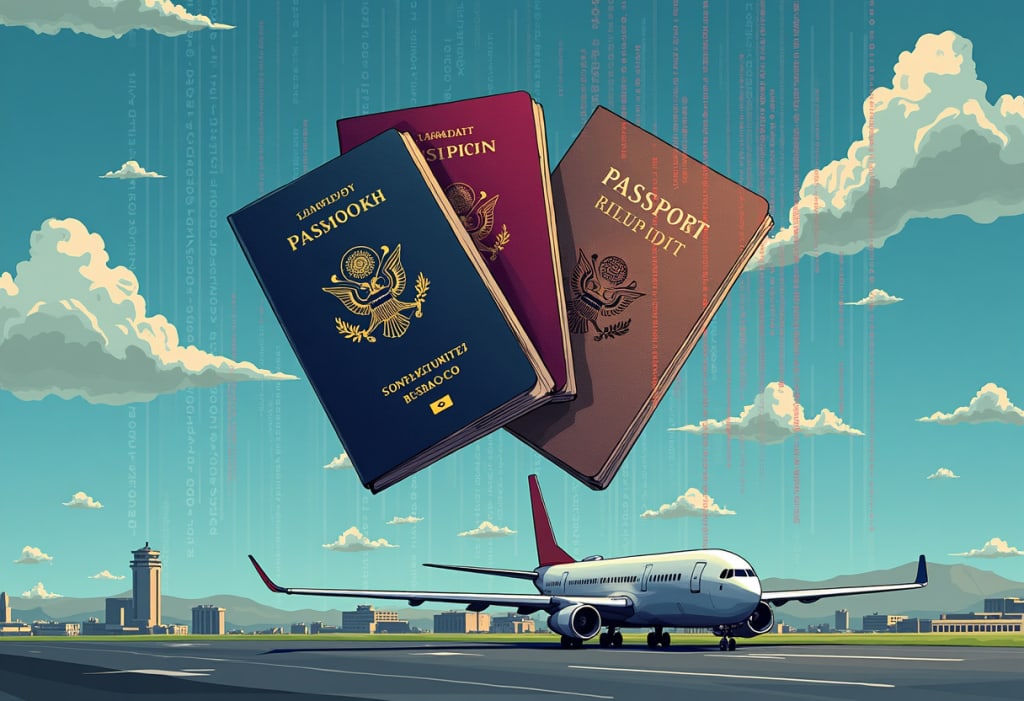
So, the “flying passport scandal” sounds like a Netflix thriller, but sadly it’s just real life being weird again.
At its core, it’s about people hijacking the trust we put in passports so they can slide past normal borders and rules like it’s VIP lane day every day.
Let’s talk about it.
1. What Even *Is* This?
Think of a passport as your IRL “verified” badge.
The flying passport scandal is what happens when that blue (or burgundy, or green) checkmark gets hacked.
People use real passports, but with fake identities, or they get hold of legitimate documents they were never supposed to have.
That lets them skip normal immigration controls and move around like ghost travelers—on the system, but not really who they say they are.
Past-me honestly thought: “The worst that can happen with a passport is losing it on a trip.”
Cute. Adorable. But Deeply wrong.
2. Why It’s A Big Deal (Beyond The Headlines)
Here’s the part where governments start sweating and you start getting extra questions at the airport.
Countries pour money into fancy passport security—chips, holograms, secret inks, probably wizard spells—and this kind of misuse makes all of that look shaky.
When the system is abused, everyone pays the price: more checks, more suspicion, more “Can you step aside for a moment, please?” moments.
So yes, you’re not running an international crime ring (hopefully), but you still feel the ripple effects in longer queues and extra scrutiny.
3. How It Hits You Personally
Current you: “Why do I care, though?”
Future you, stuck in a secondary screening room, thinking: “Oh. That’s why.”
Stricter security checks, longer wait times, more questions before you even see your gate.
If your passport data gets misused, proving the real you can get messy—delays, confusion, and “Sorry, we have to verify this.”
Past-me treated passport safety like “I put it in my bag; job done.”
Now it’s more like: “This tiny book is my entire travel life. Guard it like a dragon guards gold.”
Yup, because to me, it is gold worth protecting.
4. Who’s Actually In This Mess?
Spoiler: it’s not just “some shady guy in a hoodie.” It’s a whole ecosystem.
- Government agencies: immigration, border control, law enforcement—the people trying to spot the fakes and patch the holes in the system.
- Airlines and travel companies: staff are trained to spot dodgy documents and report them, not just wave people through like a boarding pass conveyor belt.
- You (yes, you): Reporting lost or stolen passports, not posting your passport info online (looking at every “first passport!!” social post), and staying alert.
If past-me could hear this, they’d roll their eyes—“I’m just going on holiday.”
Yeah, and so is everyone else in that line.
The system only works if regular travelers don’t sleepwalk through it.
5. The “Don’t Mess With This” Legal Side
Quick Q: “What if someone just borrows a passport?”
Quick A: No. Absolutely not. That’s not borrowing. That’s “enjoy prison” territory.
Using a fake or fraudulently obtained passport can mean criminal charges, fines, and prison time, plus a permanent record that follows you around longer than your ex’s Netflix password.
You can also be denied entry, kicked out of a country, or blocked from future visas if authorities decide you’re not trustworthy.
Rookie-self always thought, “Rules are serious, but like… how serious?”
And the answer is: THIS serious.
6. What Smart Travelers Do Now (4 Things You Can Do Now)
This is the part I wish someone had spelled out for my younger, carefree, “I keep my passport in my jacket pocket” self.
- Lock down your document : Treat your passport like your phone: you don’t leave it lying around “just for a minute.” Use hotel safes, money belts, or RFID-blocking wallets if it makes you feel better.
- Report fast, not late: If your passport is lost or stolen, tell your embassy or authorities ASAP. The faster it’s flagged, the harder it is for someone to turn it into a “flying passport.”
- Stay updated, not paranoid : Laws and travel rules change, sometimes quietly. Check official government sites or travel advisories before trips, so new requirements don’t ambush you at the check-in desk.
- Be annoying (the good kind): Ask questions. Verify weird emails. Don’t send passport scans to random “agencies” online. That tiny bit of skepticism is you future-proofing your travel freedom.
If there’s a moral here, it’s this: the flying passport scandal isn’t about making you scared to travel; it’s about nudging you to be just smart enough that you don’t become an accidental side character in someone else’s crime plot.
You still get to chase the trips, collect the stamps, and romanticize airport coffee—just with your passport treated like the high-stakes little book it actually is.
About the Creator
Anie Liban
Hi, nice to meet you. I'm Anie Liban. The anonymous writer trying to make sense of the complicated world, sharing tips and tricks on the life lessons I've learned from simple, ordinary things, and sharing ideas that change me.
Keep reading
More stories from Anie Liban and writers in Lifehack and other communities.
The Surprising Way Positive Thinking Can Change Your Life
Let me tell you the story of how I almost didn't win a car. Yup. You've heard it right. A car. But we almost didn't enter the raffles, thinking "Well, out of the thousands that applied, it's impossible to win".
By Anie Libanabout 18 hours ago in Lifehack
Forgotten Packing Items That Make Port A Rentals Guest-Friendly
Stepping into a vacation rental should feel like a home away from home, with a clean space, cozy beds, and, perhaps, a great view to unwind. But sometimes, even the best-planned trips can be disrupted by an unexpected challenge when guests forget to pack a few essentials.
By The Mayan Princess7 days ago in Lifehack
Cooking Up Connection: Romantic Recipes to Enjoy as a Couple
Turning your kitchen into a romantic space doesn’t require extravagant effort. Start with lighting—switch off the overhead lights and let candles or warm lamps create a cozy atmosphere. Add soft music that you both enjoy and clear the counters to give yourselves space to move freely. These thoughtful touches can transform even a modest kitchen into a place of intimacy and fun.
By Micah Love-Allotey6 days ago in Lifehack




Comments
There are no comments for this story
Be the first to respond and start the conversation.